Why Azie Morton Road matters.
Azie Morton Road is a graceful corridor where Zilker's civic landscapes, cultural heritage, environmental stewardship, and enduring Austin character converge across one of the city's most recognizable park roads.
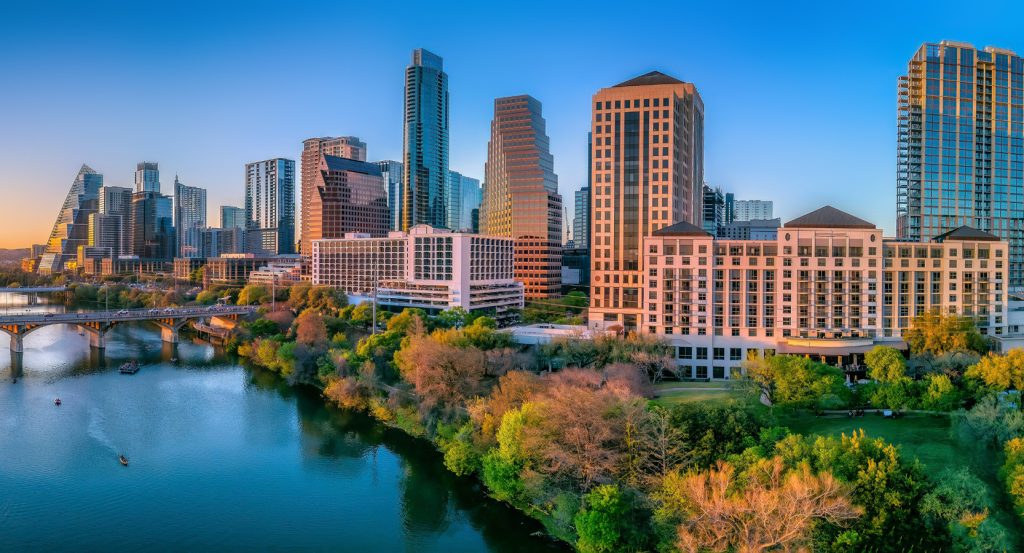
Running through Zilker between Barton Hills and South Lamar, the corridor winds beneath mature pecan and live oak canopies while connecting nationally recognized cultural institutions, expansive parkland, and the spring-fed landscapes that have defined Central Austin for generations. Broad green spaces, limestone outcrops, native vegetation, and carefully preserved recreational landscapes establish a setting where the city's natural and cultural heritage remain closely intertwined. Decades of conservation and civic investment have strengthened the surrounding district while preserving its exceptional environmental character. The result is an experience defined by natural beauty, civic significance, and one of Zilker's most distinctive corridors.
What defines Azie Morton Road.
Azie Morton Road is best known for honoring Azie Taylor Morton (1936-2003), the only African American Treasurer of the United States, who served under President Jimmy Carter from 1977 to 1981 after becoming a nationally respected civic leader, educator, and advocate whose career remained deeply rooted in Austin. The corridor traverses Zilker Metropolitan Park, a public landscape encompassing 351 acres that originated from land donated by Andrew Jackson Zilker to the City of Austin between 1917 and 1934, establishing one of Texas' most celebrated urban parks. Nearby Barton Springs Pool is sustained by the Edwards Aquifer, producing an average discharge of 31 million gallons of water daily while maintaining water temperatures near 68-70°F (20-21°C) throughout the year, making it among the largest natural spring-fed swimming pools in the United States. The surrounding landscape occupies the Balcones Fault Zone, where Cretaceous limestone, karst formations, and spring systems created the geological conditions supporting Barton Springs, native riparian woodland, and one of Central Texas' most significant ecological environments. Collectively, the corridor's commemorative significance, civic history, hydrogeological importance, geological evolution, and enduring conservation legacy establish Azie Morton Road as one of Austin's defining cultural corridors.
The adjacent Barton Springs Salamander, formally described as a distinct species in 1993, survives exclusively within the Barton Springs complex and remains federally listed as an endangered species, making the surrounding watershed internationally significant for biodiversity conservation. The Barton Springs Edwards Aquifer Conservation District, created by the Texas Legislature in 1987, continues protecting groundwater resources that sustain Barton Springs through scientific monitoring, aquifer management, and regional conservation initiatives. Archaeological investigations throughout Zilker Metropolitan Park and the Barton Creek watershed have documented Indigenous campsites, burned rock middens, stone tools, and cultural deposits spanning thousands of years before European settlement, illustrating the exceptional antiquity of human occupation along these spring-fed landscapes. Together, these conservation efforts, scientific institutions, and archaeological discoveries demonstrate how Azie Morton Road reflects a corridor where civic leadership, environmental stewardship, and thousands of years of human history remain inseparably connected.
How Azie Morton Road fits.
Azie Morton Road works as an exploration of Austin's environmental heritage, cultural institutions, and celebrated public landscapes.
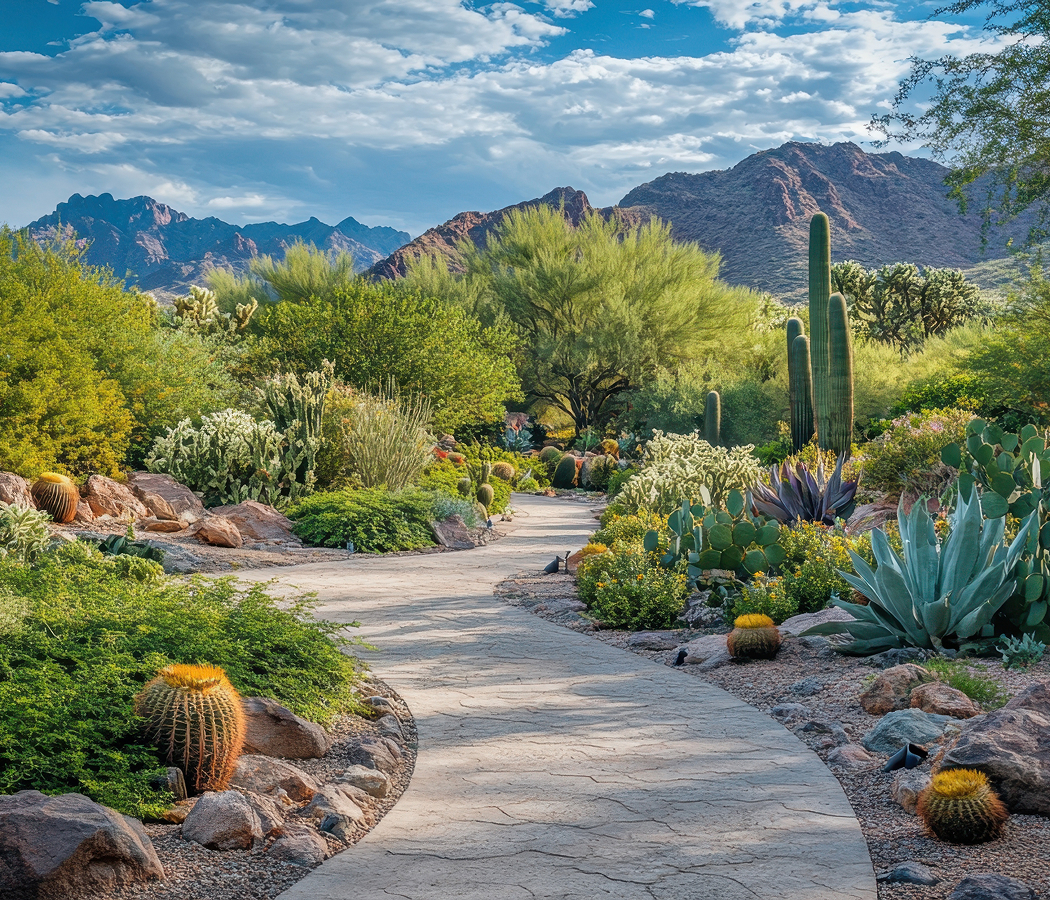
Begin at Barton Springs Pool, where constant spring-fed waters, historic bathhouse facilities, and one of the nation's most celebrated natural swimming destinations introduce the extraordinary hydrogeology that has shaped Austin for centuries. Continue to Umlauf Sculpture Garden + Museum, where Charles Umlauf's celebrated sculptures, shaded gardens, and permanent collections deepen the experience by highlighting one of the city's most important artistic legacies. Conclude at Zilker Botanical Garden, where themed gardens, heritage plant collections, and carefully cultivated landscapes provide the historical payoff by celebrating the native ecology and horticultural traditions that continue defining Austin's relationship with the natural world. The progression moves naturally from spring-fed geology to artistic heritage before culminating in one of Austin's foremost botanical collections.
Where your story begins.
Foresyte Travel reveals places that feel extraordinary long before you arrive.
Enjoy editorial crafted for luxury travelers.
Foresyte may earn a commission when you book.