Why Barry Avenue matters.
Barry Avenue is a lively corridor where Lakeview's residential heritage, neighborhood vitality, architectural legacy, and Chicago's North Side character unfold along one of the community's enduring east-west streets.
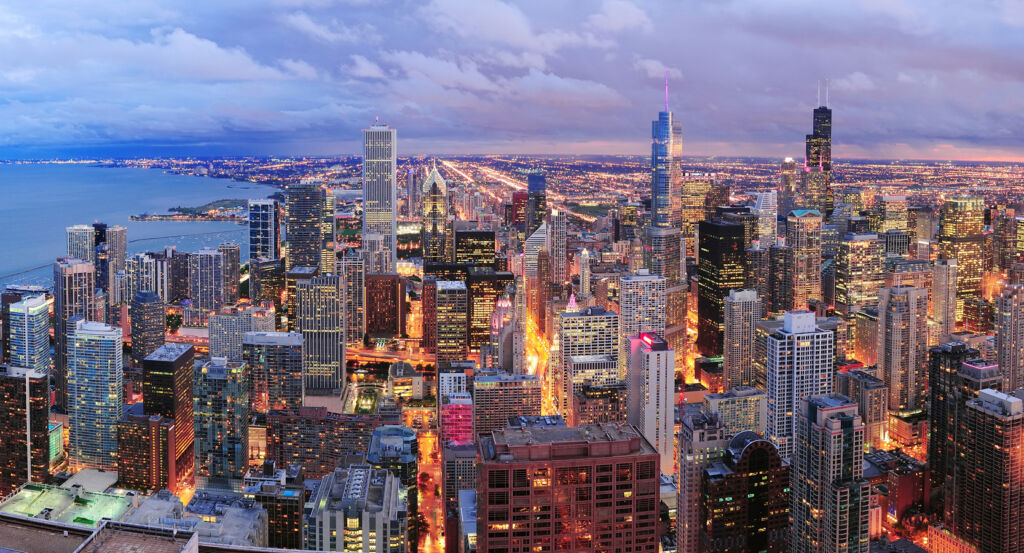
Running through Lakeview between the North Branch of the Chicago River and Lake Michigan, Barry Avenue connects historic residential blocks, neighborhood business districts, educational institutions, park landscapes, and transit corridors that collectively reflect more than 140 years of thoughtful urban development. The corridor reveals how post-fire expansion, streetcar investment, residential craftsmanship, and sustained neighborhood stewardship shaped one of Chicago's most established communities. Brick rowhouses, courtyard apartment buildings, historic greystones, mature tree canopies, and carefully maintained streetscapes continue defining the avenue while reinforcing its enduring identity. The result is a corridor distinguished by architectural continuity, neighborhood vitality, and generations of community investment.
What defines Barry Avenue.
Barry Avenue is best known for developing during Chicago's rapid North Side expansion following the Great Chicago Fire of 1871, when residential construction accelerated alongside the extension of the North Chicago Street Railroad and later electric streetcar service into Lakeview. Between the 1880s and the 1920s, builders introduced substantial collections of Queen Anne, Romanesque Revival, Prairie School, and Classical Revival residences together with brick flats, courtyard apartment buildings, and neighborhood commercial storefronts that established the corridor's enduring architectural identity. Annexation of the Town of Lake View by the City of Chicago in 1889, continued investment in nearby North Side Elevated Railroad stations, and municipal improvements to paved streets, water mains, and sewer infrastructure reinforced long-term residential growth throughout the surrounding neighborhood. Modern infrastructure improvements administered by the Chicago Department of Transportation have preserved the avenue's historic street pattern while accommodating evolving transportation, accessibility, and utility needs. Continued stewardship has maintained Barry Avenue as one of Lakeview's most historically representative residential corridors.
Preservation initiatives have safeguarded original brick façades, limestone trim, decorative cornices, pressed-metal detailing, and mature street trees that collectively preserve the corridor's early twentieth-century architectural character. Neighborhood organizations including the Lakeview East Chamber of Commerce, the Lakeview Roscoe Village Chamber of Commerce, and local preservation advocates have strengthened that legacy through streetscape improvements, business partnerships, tree canopy programs, and coordinated public investment supporting long-term neighborhood vitality. Modern pedestrian enhancements, traffic-calming measures, utility reconstruction, and sustainable infrastructure projects demonstrate how contemporary engineering has been thoughtfully integrated into the historic streetscape. Together, historic preservation, neighborhood leadership, traditional masonry craftsmanship, infrastructure modernization, and sustained civic stewardship demonstrate how Barry Avenue continues to embody the enduring residential character that has defined Lakeview for generations.
How Barry Avenue fits.
Barry Avenue works as an exploration of Lakeview's architectural heritage, neighborhood culture, and public landscapes.
Begin at Southport Corridor, where historic storefronts and independently owned businesses introduce the neighborhood character surrounding Barry Avenue before naturally expanding into the broader community. Continue to Music Box Theatre, where beautifully preserved atmospheric architecture reflects Lakeview's longstanding cultural traditions before guiding the experience toward its conclusion. Conclude at Belmont Harbor, where Lake Michigan, historic marina facilities, and sweeping skyline views provide the historical and environmental payoff, illustrating how thoughtful planning continues shaping Lakeview's relationship with the waterfront. The progression moves naturally from neighborhood commerce to architectural history before concluding beside one of Chicago's defining harbors.
Where your story begins.
Foresyte Travel reveals places that feel extraordinary long before you arrive.
Enjoy editorial crafted for luxury travelers.
Foresyte may earn a commission when you book.