Why Chicago River matters.
Chicago River is a transformative urban waterway where the Loop's architectural ambition, engineering ingenuity, and civic character converge through one of the most influential rivers in American urban history.
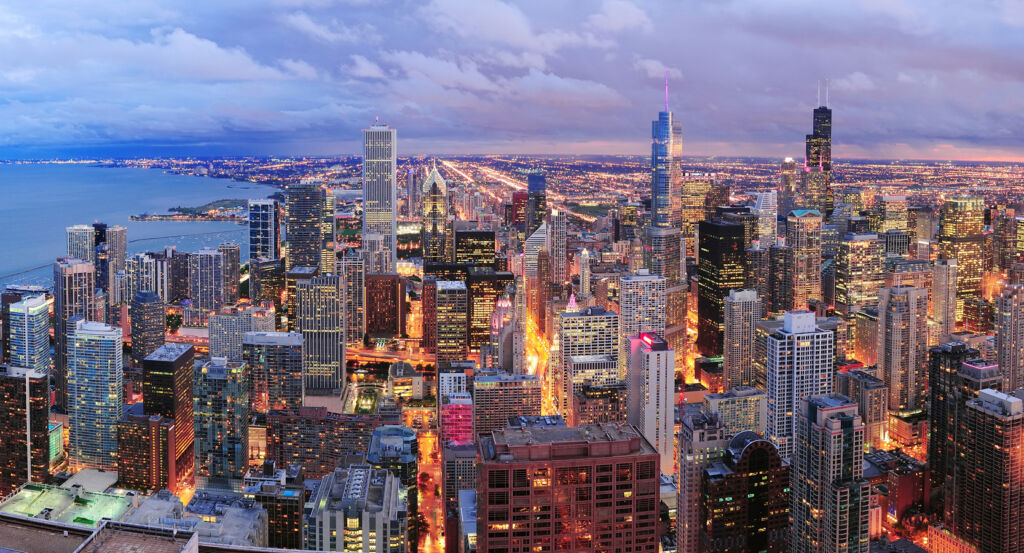
Set along the Main Stem near Michigan Avenue and just steps from the Chicago Riverwalk, this river anchors the heart of Downtown, where soaring skyscrapers, historic bridges, and world-renowned architecture have shaped the city's relationship with the water for more than a century. Towering office buildings, celebrated architectural landmarks, pedestrian promenades, riverfront plazas, iconic drawbridges, public gathering spaces, and constantly shifting city views create an environment that feels both expansive and deeply connected to everyday urban life. Once a vital transportation corridor that fueled Chicago's rise as an economic powerhouse, the river later became the site of one of the greatest engineering achievements in American history when its flow was reversed in 1900. Today, visitors encounter a landmark that feels dynamic, historic, and unmistakably Chicago. The result is a destination defined by innovation, architecture, and civic pride.
What defines Chicago River.
Chicago River is best known for the reversal of its flow in 1900, among the most ambitious civil engineering projects ever undertaken and a feat that fundamentally transformed the future of the city.
Faced with mounting public health challenges and a rapidly growing population, Chicago undertook a massive engineering effort to reverse the river's natural course away from Lake Michigan, the city's primary source of drinking water. The completion of the Chicago Sanitary and Ship Canal permanently altered regional waterways and became an internationally recognized achievement in urban infrastructure and environmental engineering. Beyond its engineering significance, the river helped shape Chicago's emergence as a center of commerce, transportation, architecture, and industry. Its banks became home to some of the most influential buildings and institutions in the nation. Few urban waterways possess such a profound connection to the development and transformation of a major global city.
How Chicago River fits.
Chicago River works as an exploration of the architectural landmarks, public spaces, and engineering achievements that define one of America's most iconic urban waterways.
Begin at the Chicago Riverwalk, where the river's defining connection to public life, architecture, and waterfront revitalization immediately comes into focus. Continue toward DuSable Bridge, whose historic significance and sweeping views reveal the relationship between the river and the city's development across generations. From there, make your way to the Wrigley Building Riverfront, where celebrated architecture, energetic public spaces, and views along the Main Stem provide a broader perspective on the innovation and civic ambition that continue to define Chicago River today. Along the route, you'll encounter historic bridges, community gathering spaces, architectural landmarks, public plazas, waterfront promenades, engineering marvels, and skyline vistas that showcase the river's remarkable depth. The progression moves naturally from riverfront promenade to historic crossing to iconic architectural frontage, revealing the forces that transformed Chicago River into one of the most influential urban waterways in the world. Chicago River remains one of the city's most rewarding destinations, preserving a remarkable balance between engineering achievement, architectural excellence, and public engagement.
Where your story begins.
Foresyte Travel reveals places that feel extraordinary long before you arrive.
Enjoy editorial crafted for luxury travelers.
Foresyte may earn a commission when you book.