Why you should experience Barton Club Drive in Austin, Texas.
Barton Club Drive is a refined corridor where Barton Creek's Hill Country landscapes, championship golf heritage, environmental stewardship, and enduring West Austin character create one of the area's most distinguished residential drives.
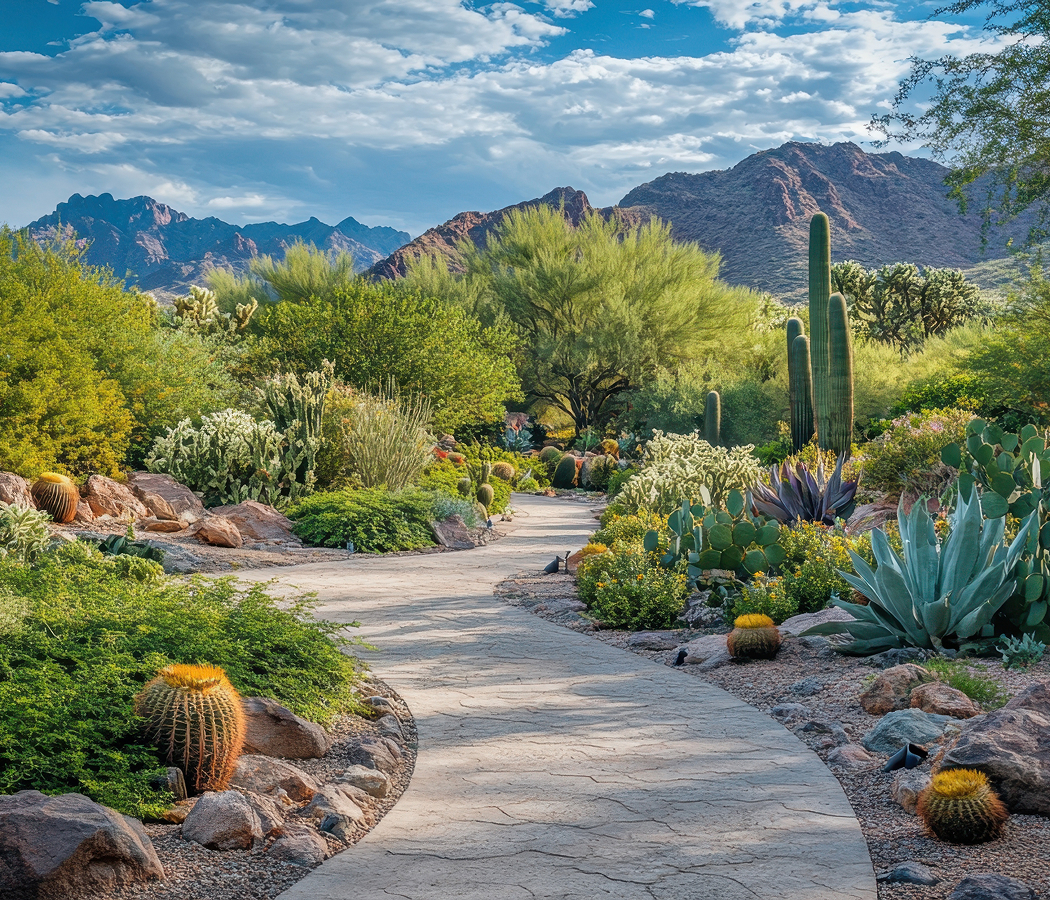
Running through Barton Creek between Westlake and Lost Creek, the corridor winds across rolling limestone hills, mature oak woodlands, and secluded residential landscapes that reveal the dramatic terrain defining Austin's western edge. Carefully preserved native vegetation, expansive canyon views, and thoughtfully integrated development establish a setting where luxury living remains closely connected to the surrounding Hill Country environment. Decades of conservation-minded planning have reinforced the corridor's distinctive character while preserving the geological character that first attracted development to the area. The result is an experience defined by scenic beauty, environmental continuity, and one of Barton Creek's signature corridors.
What you should know about Barton Club Drive.
Barton Club Drive is best known for serving the Barton Creek community, whose modern character emerged after developer Freeport-McMoRan partnered with ClubCorp during the 1980s to establish one of Texas' premier master-planned golf destinations anchored by the Omni Barton Creek Resort & Spa, originally opened in 1987. The corridor provides access to four nationally acclaimed championship golf courses, including the Fazio Foothills Course and Fazio Canyons Course designed by Tom Fazio, the Coore Crenshaw Course designed by Bill Coore and Ben Crenshaw, and the Arnold Palmer Lakeside Course, collectively establishing Barton Creek among the Southwest's foremost golf communities. The surrounding landscape occupies the eastern margin of the Edwards Plateau, where Cretaceous limestone, extensive karst formations, and rugged canyon topography support native Hill Country ecosystems dominated by plateau live oak, Ashe juniper, Texas madrone, Mexican buckeye, and diverse wildlife characteristic of the Balcones Canyonlands region. Nearby Barton Creek carved deeply incised limestone valleys over millions of years before joining the Colorado River, while the watershed contributes directly to the recharge of the Edwards Aquifer, among Texas' most significant groundwater systems. Collectively, the corridor's resort history, championship golf legacy, geological evolution, ecological diversity, and hydrological importance establish Barton Club Drive as one of West Austin's defining corridors.
The Barton Creek Habitat Preserve, established through regional conservation partnerships during the 1990s, protects thousands of acres of habitat supporting federally listed species including the golden-cheeked warbler and black-capped vireo, reinforcing the ecological importance of the surrounding Hill Country. Extensive cave systems, sinkholes, and fractured limestone beneath the corridor form part of Central Texas' complex karst landscape, creating critical groundwater recharge features that sustain springs and aquifers throughout the region. Archaeological investigations across the Barton Creek watershed have documented Indigenous campsites, burned rock middens, stone tools, and cultural deposits spanning thousands of years before European settlement, revealing an exceptionally long record of human occupation within the surrounding canyon system. Together, these conservation initiatives, geological processes, and archaeological discoveries demonstrate how Barton Club Drive reflects a corridor where environmental stewardship, natural history, and human heritage remain inseparably connected.
How to fold Barton Club Drive into your trip.
Barton Club Drive works as an exploration of West Austin's Hill Country landscapes, championship golf heritage, and protected natural scenery.
Begin at Omni Barton Creek Resort & Spa, where panoramic Hill Country vistas, renowned golf facilities, and carefully preserved landscapes introduce the resort community that defines the surrounding corridor. Continue to Wild Basin Wilderness Preserve, where protected canyons, native woodlands, and interpretive trails deepen the experience by revealing the ecological richness that has shaped West Austin for millennia. Conclude at Mount Bonnell, where one of Austin's highest public overlooks provides the historical payoff through sweeping views across Lake Austin, the Colorado River valley, and the rugged limestone terrain that continues defining the city's western frontier. The progression moves naturally from championship resort landscapes to protected wilderness before culminating at one of Austin's most celebrated scenic overlooks.
Where your story begins.
Foresyte Travel reveals places that feel extraordinary long before you arrive.
Experience premium editorial crafted for luxury travelers.