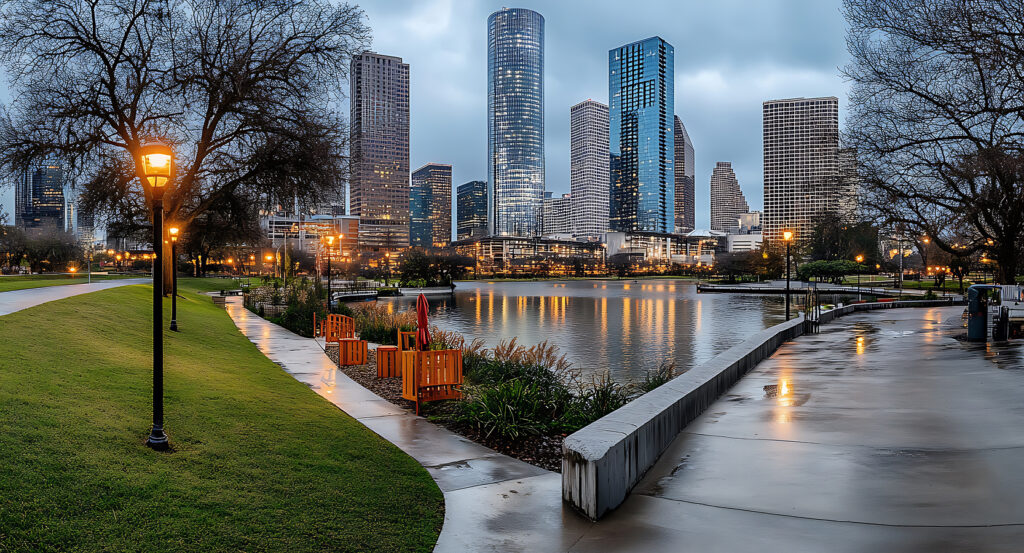
Why you should experience Canal Street in Houston, Texas.
Canal Street is a tenacious corridor where Second Ward's immigrant heritage, railroad legacy, industrial craftsmanship, and enduring Hispanic character continue defining one of Houston's most deeply rooted neighborhoods.
Running through Second Ward between Downtown East and Magnolia Park, the corridor follows a landscape of historic warehouses, neighborhood businesses, railroad infrastructure, churches, and longtime family establishments that collectively preserve more than a century of commercial and cultural continuity. Brick industrial buildings, early twentieth-century storefronts, mature street trees, and modest commercial blocks create a streetscape shaped by manufacturing, freight movement, and generations of neighborhood enterprise. Throughout the corridor, locally owned businesses, cultural traditions, and historic institutions reinforce a setting whose character remains inseparable from Houston's East End. The result is an experience defined by perseverance, authenticity, and one of the city's most enduring neighborhood corridors.
What you should know about Canal Street.
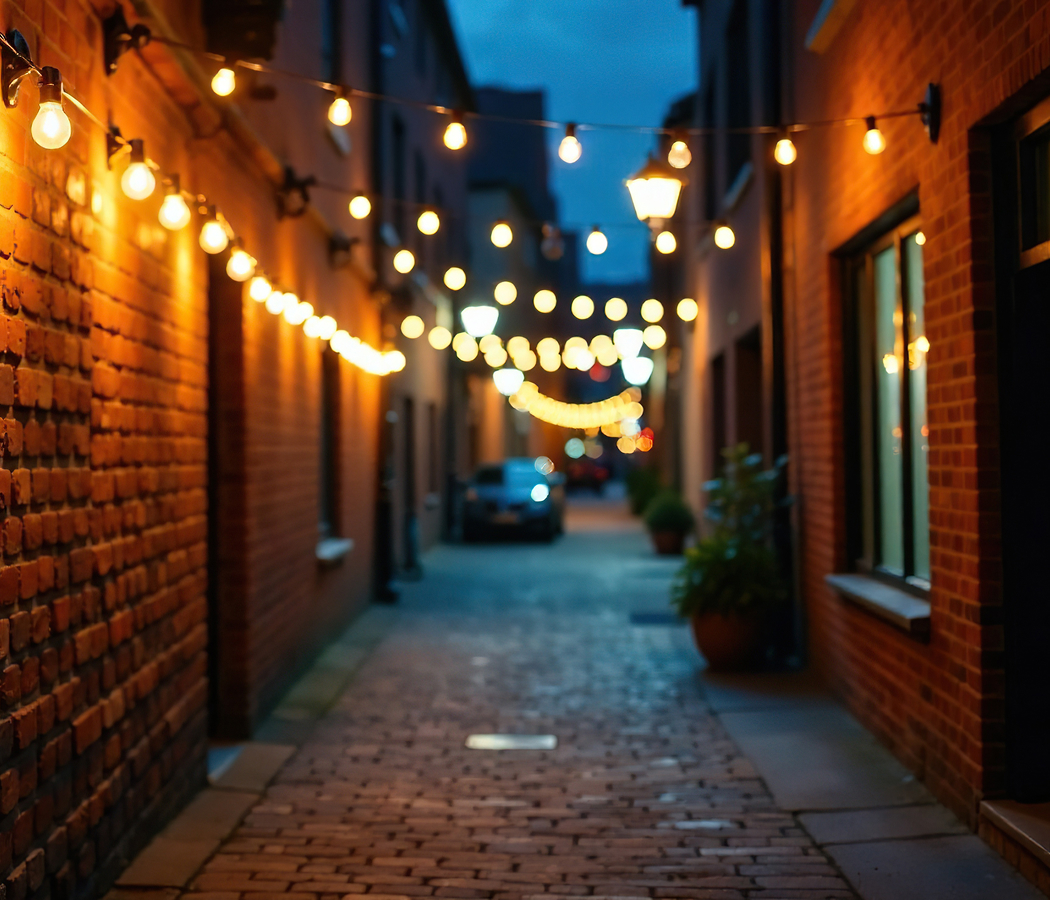
Canal Street is best known for extending through the historic core of Second Ward, whose development accelerated during the late nineteenth century as Houston Ship Channel commerce, expanding railroad corridors, and nearby manufacturing industries attracted immigrant workers, merchants, and skilled tradespeople to Houston's East End. The corridor grew alongside the Galveston, Harrisburg and San Antonio Railway and the Southern Pacific Railroad, whose freight operations established the surrounding district as one of Houston's principal centers for warehousing, fabrication, and wholesale distribution. Early twentieth-century commercial buildings along Canal Street retain brick masonry construction, segmental-arched window openings, decorative corbelled cornices, and heavy timber structural systems that reflect the engineering practices of Houston's industrial expansion. Longstanding Hispanic-owned businesses, historic churches, and family enterprises continue expressing the cultural traditions established as Mexican American families became the defining population of Second Ward during the twentieth century.
The Houston Belt and Terminal Railway, incorporated in 1905, unified multiple railroad connections surrounding the corridor and strengthened East End industries by improving freight interchange throughout the city. Buffalo Bayou's proximity supported early warehouses, cotton compresses, and produce markets whose commercial activity helped establish Houston as a leading Gulf Coast distribution center before completion of the Houston Ship Channel. Historic machine shops, foundries, and manufacturing buildings throughout the surrounding district preserve tangible evidence of the industrial economy that sustained generations of East End workers. Together, these transportation networks, commercial enterprises, and surviving industrial structures demonstrate how Canal Street reflects the economic and cultural foundations of Houston's historic Second Ward.
How to fold Canal Street into your trip.
Canal Street works as an exploration of Houston's East End, where immigrant traditions, industrial heritage, and neighborhood culture remain closely connected.
Begin at Our Lady of Guadalupe Church, where one of Houston's oldest Mexican American Catholic congregations introduces the community's enduring cultural and spiritual heritage before following Canal Street through the surrounding neighborhood. Continue to East End Heritage District, whose historic commercial buildings, public art, and locally owned businesses deepen the story of the community that developed beside Houston's rail corridors and industrial districts. Conclude at Navigation Esplanade, where energetic murals, landscaped public space, and neighborhood gathering places provide a fitting finale celebrating the cultural vitality that continues defining Second Ward. The progression moves naturally from enduring faith through neighborhood history before concluding in a public space that expresses the community's living cultural identity, revealing why Canal Street remains one of Houston's most meaningful East End corridors.
Where your story begins.
Foresyte Travel reveals places that feel extraordinary long before you arrive.
Experience premium editorial crafted for luxury travelers.