Why Cannon Drive matters.
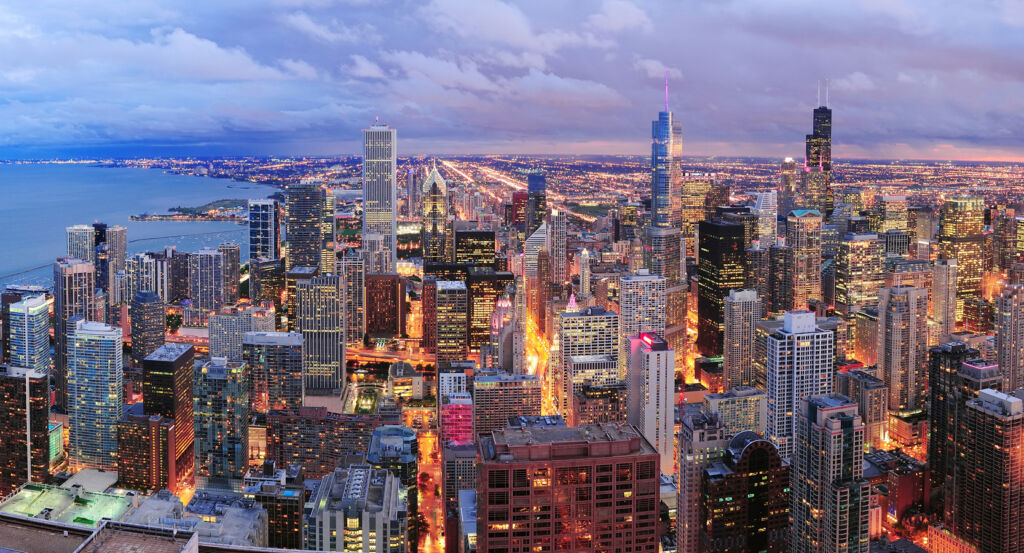
Cannon Drive is a graceful corridor where Lincoln Park's lakefront landscapes, recreational heritage, engineering achievement, and Chicago's civic vision converge along one of the city's most celebrated park drives.
Running through Lincoln Park between North Avenue and Montrose Avenue, Cannon Drive connects expansive parkland, athletic facilities, shoreline landscapes, cultural institutions, transportation infrastructure, and residential districts that collectively reflect more than 150 years of thoughtful public investment. The corridor reveals how landscape architecture, lakefront engineering, environmental restoration, and civic planning transformed Chicago's shoreline into one of the nation's finest urban park systems. Tree-lined roadways, restored natural habitats, recreational facilities, and carefully integrated transportation improvements continue defining the drive while reinforcing its enduring identity. The result is a corridor distinguished by landscape continuity, public stewardship, and generations of civic investment.
What defines Cannon Drive.
Cannon Drive is best known for following the eastern edge of Lincoln Park, whose expansion accelerated after establishment of the park in 1865 and successive lakefront improvements directed by the Lincoln Park Commission during the late nineteenth and early twentieth centuries. Construction of shoreline protection works, landfill projects extending Chicago's lakefront, roadway improvements, and bridge infrastructure established the corridor as a principal north-south route while accommodating the city's rapidly growing population. Engineering projects completed by the Chicago Department of Transportation, the Chicago Park District, the Illinois Department of Transportation, and the U.S. Army Corps of Engineers have modernized the corridor through bridge reconstruction, traffic improvements, shoreline stabilization, flood mitigation, and ecological restoration while preserving its role within the regional transportation network. Recent implementation of the North Lake Shore Drive reconstruction program introduced expanded stormwater management, wetland restoration, improved wildlife habitat, and resilient transportation infrastructure designed to address changing environmental conditions. Continued investment in roadway modernization, ecological preservation, and public infrastructure has maintained Cannon Drive as one of Chicago's most historically significant lakefront corridors.
Long-term stewardship by the Lincoln Park Conservancy has advanced ecological restoration, landscape preservation, educational programming, and collaborative planning that continue strengthening the corridor's environmental character. Restoration of native shoreline ecosystems, reconstruction of bridges and underpasses, expansion of bicycle infrastructure, and integration of resilient engineering solutions demonstrate how environmental science and transportation planning have evolved together along Cannon Drive. Coordinated leadership by the Chicago Park District, the Chicago Department of Transportation, the Illinois Department of Transportation, the U.S. Army Corps of Engineers, and regional planning partners has balanced transportation efficiency with long-term ecological resilience and preservation of historic park landscapes. Together, the Lincoln Park Commission, the Chicago Park District, the Lincoln Park Conservancy, the U.S. Army Corps of Engineers, shoreline engineering, ecological restoration, resilient infrastructure, and sustained public investment demonstrate how successive generations have preserved Cannon Drive as one of Chicago's defining lakefront corridors.
How Cannon Drive fits.
Cannon Drive works as an exploration of Chicago's lakefront landscapes, public spaces, and architectural heritage.
Begin at Alfred Caldwell Lily Pool, where masterful naturalistic landscape design introduces the environmental vision that defines Lincoln Park before naturally expanding into the surrounding park system. Continue to Lincoln Park Conservatory, where Victorian glasshouse architecture and exceptional botanical collections deepen appreciation for the park's horticultural legacy before guiding the experience toward its conclusion. Conclude at Belmont Harbor, where Lake Michigan, historic harbor facilities, and sweeping skyline views provide the historical and scenic payoff, illustrating how thoughtful planning and the waterfront continue shaping Lincoln Park. The progression moves naturally from ecological design to horticultural preservation before concluding beside one of Chicago's most enduring harbors.
Where your story begins.
Foresyte Travel reveals places that feel extraordinary long before you arrive.
Enjoy editorial crafted for luxury travelers.
Foresyte may earn a commission when you book.