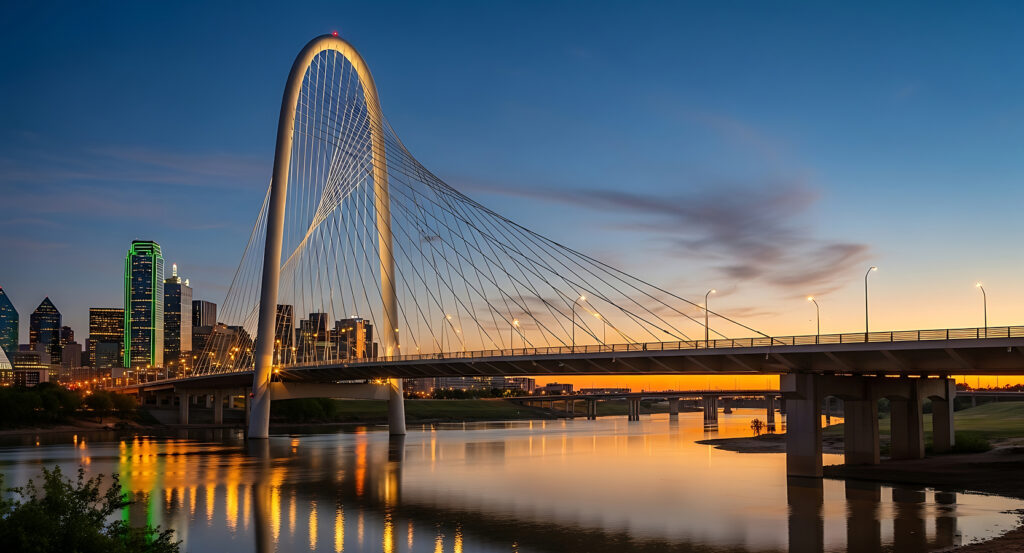
Why you should experience Carlisle Street in Dallas, Texas.
Carlisle Street is a sophisticated corridor where Uptown's urban energy, architectural ambition, cultural vitality, and walkable character create one of Dallas' most engaging streets.
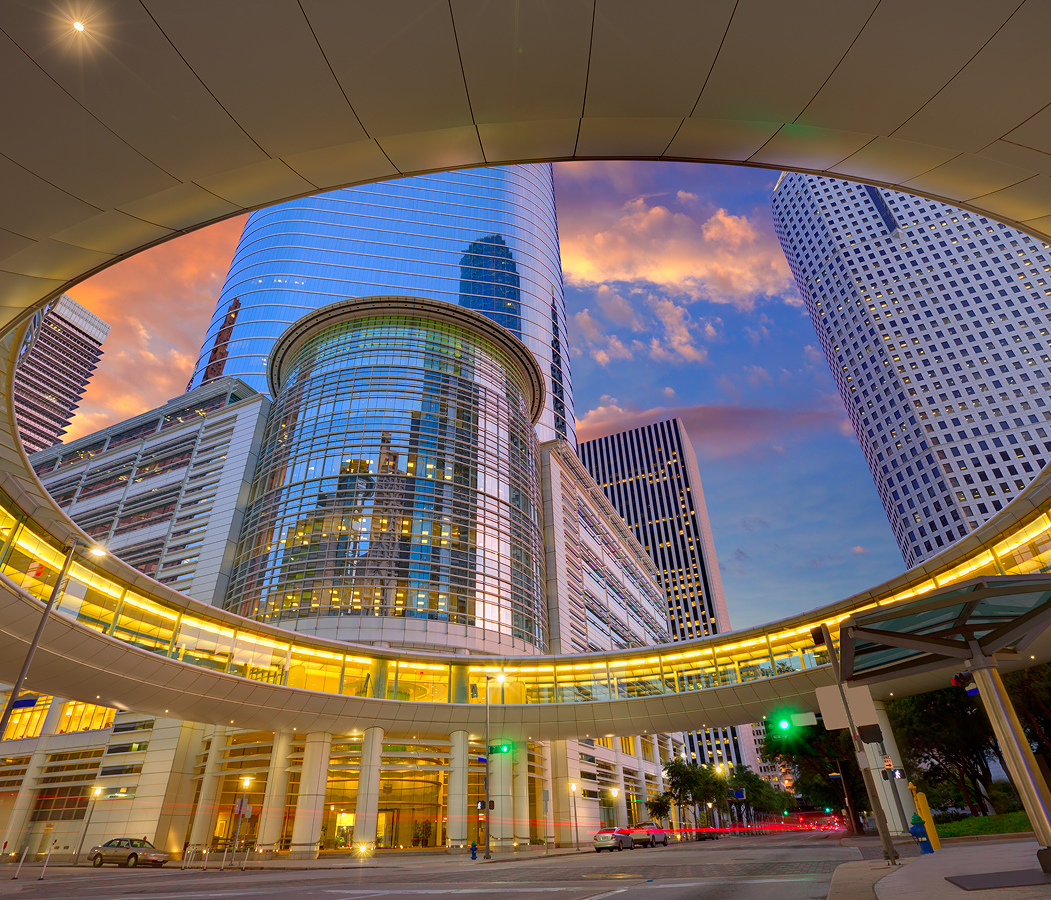
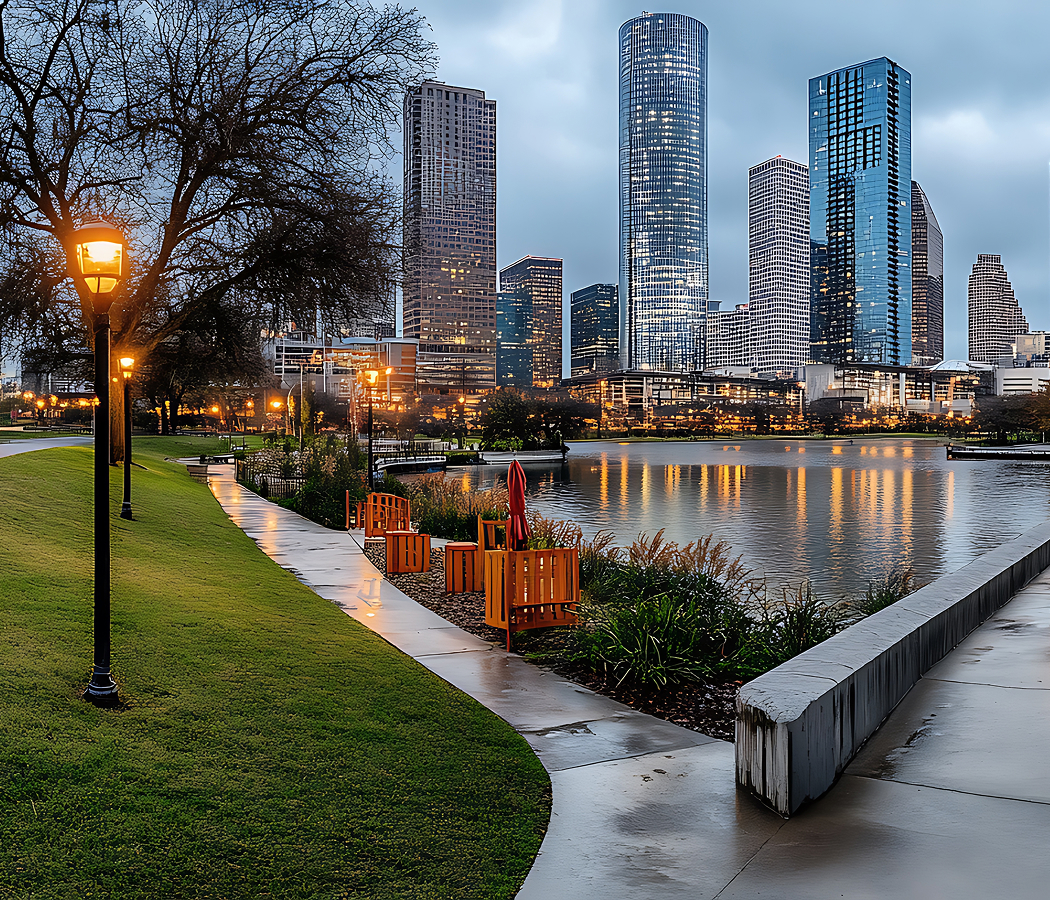
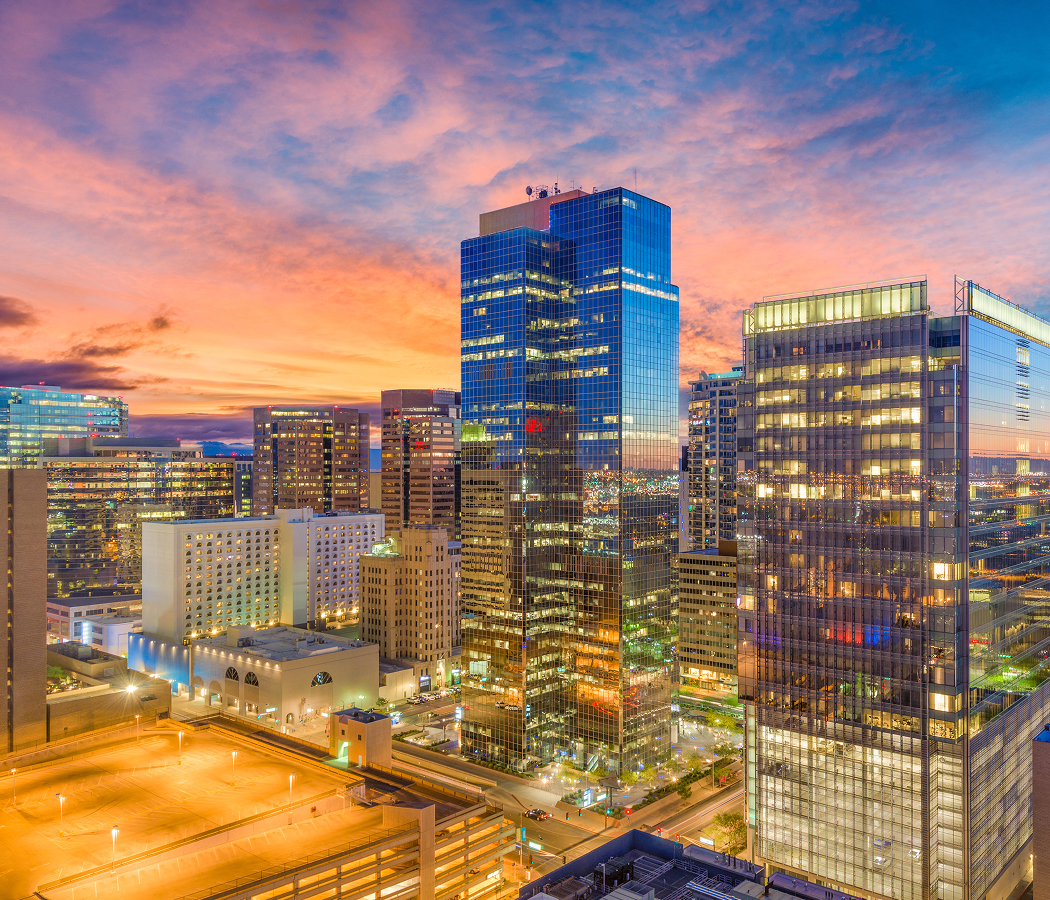
Running through Uptown between Downtown and Oak Lawn, the corridor connects contemporary residential towers, restored commercial buildings, neighborhood restaurants, boutique offices, and shaded pedestrian blocks that reflect the district's continuing evolution. Each successive stretch reveals glass-clad mid-rises, preserved masonry buildings, landscaped sidewalks, public art, and active street-level storefronts that reinforce the corridor's unmistakably metropolitan identity. The defining moment arrives as Carlisle Street demonstrates how thoughtful urban reinvestment, architectural diversity, and neighborhood vitality continue shaping one of Dallas' most celebrated districts. The result is an experience defined by contemporary sophistication, pedestrian vitality, and one of Uptown's most rewarding corridors.
What you should know about Carlisle Street.
Carlisle Street is best known for evolving alongside Uptown's transformation from an underutilized warehouse and commercial district into one of Dallas' premier mixed-density urban neighborhoods during the 1980s, 1990s, and 2000s. Development introduced residential towers, office buildings, boutique hotels, and street-oriented commercial properties featuring structural steel framing, reinforced concrete construction, curtain-wall glazing, brick masonry, precast concrete panels, and generous streetscape improvements that continue defining the corridor's architectural identity. The avenue also benefited from the restoration and expansion of the M-Line Trolley, whose heritage streetcars strengthened neighborhood connectivity while reinforcing Uptown's pedestrian-oriented planning philosophy. Wide sidewalks, landscaped curb extensions, mature live oaks, coordinated street furnishings, and active ground-floor retail preserve the district's walkable urban form while reinforcing Carlisle Street's cohesive streetscape. Continued investment has attracted hospitality venues, professional offices, residential developments, and independent businesses that sustain the corridor's reputation as one of Dallas' most active commercial environments. Collectively, the corridor's urban reinvestment, architectural diversity, transportation heritage, and sustained private investment established Carlisle Street as one of Uptown's defining corridors.
Uptown-Dallas, Inc. coordinates public improvements, streetscape maintenance, neighborhood programming, and mobility initiatives that reinforce Carlisle Street's pedestrian-friendly character while supporting continued investment throughout Uptown. The McKinney Avenue Transit Authority preserves and operates the historic M-Line Trolley through ongoing restoration, volunteer programs, and educational outreach that celebrate the neighborhood's transportation heritage. Native live oaks, cedar elms, ornamental grasses, seasonal flowering beds, bioswales, decorative paving, and pedestrian-scale lighting create an inviting public realm that complements the surrounding architecture while strengthening the corridor's walkable atmosphere. Together, these civic organizations, transportation initiatives, and enduring landscape investments demonstrate how Carlisle Street continues evolving through sustained attention to both urban design and neighborhood character.
How to fold Carlisle Street into your trip.
Carlisle Street works as a walk through Uptown's architectural and cultural evolution.
Begin at McKinney Avenue Trolley, where beautifully restored heritage streetcars establish the historical story surrounding Carlisle Street while naturally introducing Uptown's commitment to walkable urban design. Continue to Klyde Warren Park, where innovative landscape architecture and year-round programming deepen appreciation for the district's contemporary civic character before guiding the experience toward its historical conclusion. Conclude at Nasher Sculpture Center, where internationally acclaimed modern sculpture and Renzo Piano's celebrated architecture provide the historical payoff by illustrating the cultural investment that helped redefine Central Dallas. The progression moves naturally from transportation heritage to contemporary public space before culminating in one of the city's foremost cultural institutions.
Where your story begins.
Foresyte Travel reveals places that feel extraordinary long before you arrive.
Experience premium editorial crafted for luxury travelers.