Why Cherry Street matters.
Cherry Street is a historic Market East corridor where commercial innovation, civic ambition, and architectural evolution converge along one of Center City's most enduring streets.
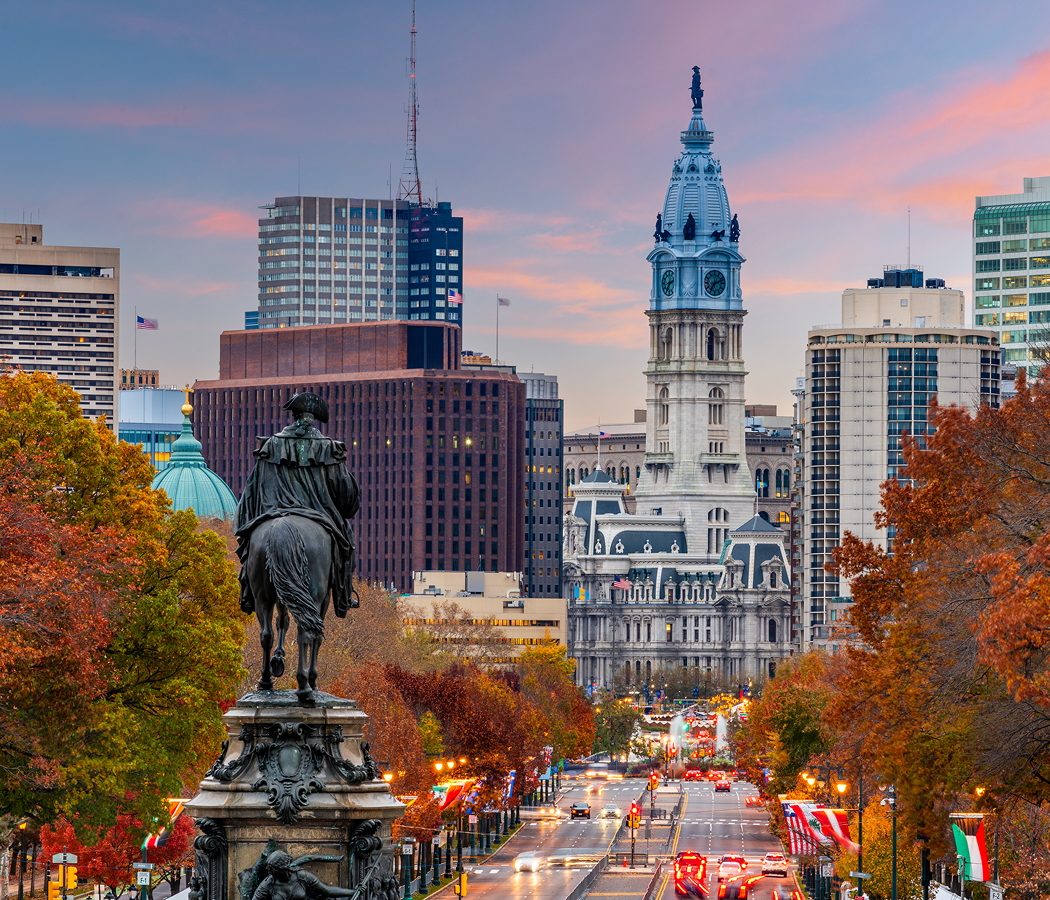
Running through Market East between Logan Square and Chinatown, this character-rich corridor connects historic commercial buildings, celebrated public markets, convention venues, neighborhood cafés, and cultural institutions that collectively reflect Philadelphia's transformation into one of America's great commercial capitals. Elegant nineteenth-century architecture, adaptive reuse landmarks, and lively pedestrian activity create a streetscape where centuries of history continue to shape everyday urban life. From William Penn's original street grid to today's revitalized downtown, Cherry Street has remained a constant thread through Philadelphia's remarkable evolution. The result is a corridor defined by historical continuity, commercial vitality, and enduring metropolitan character.
What defines Cherry Street.
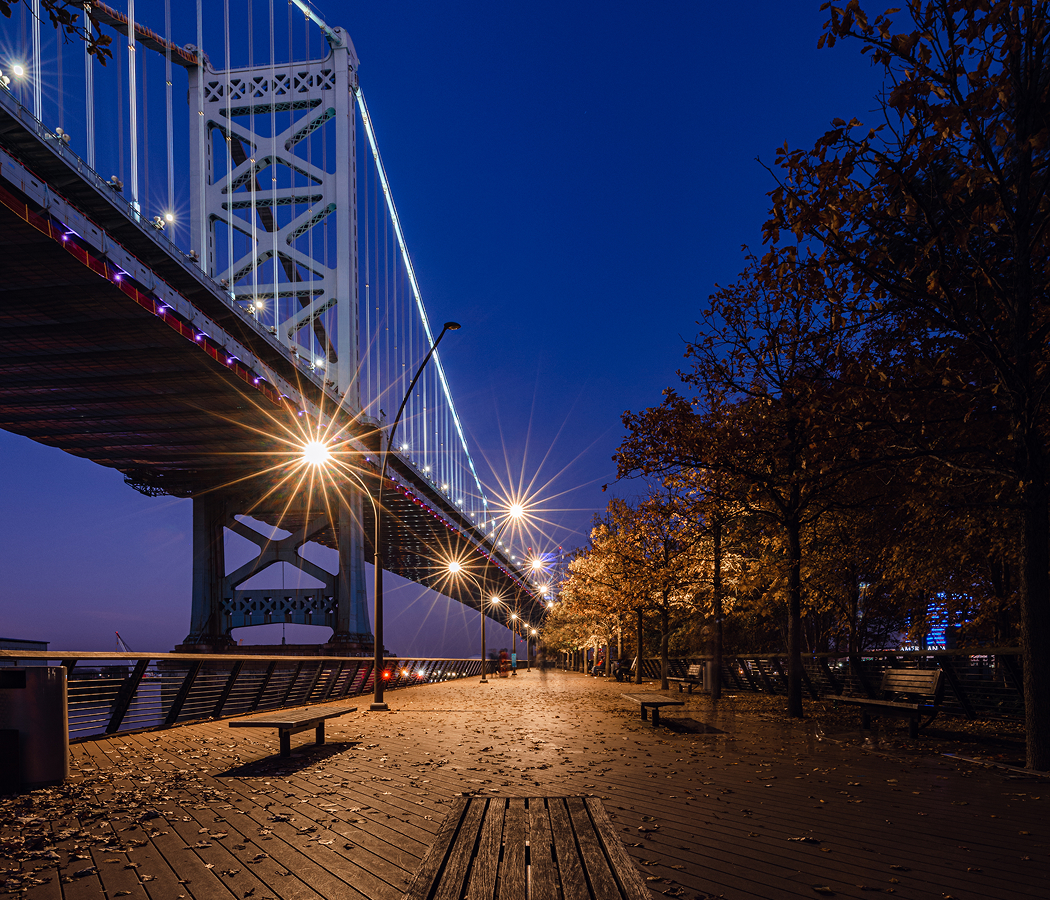
Cherry Street is best known for lending its name to Cherry Street Pier, a 55,000-square-foot former municipal shipping pier transformed into one of Philadelphia's most celebrated adaptive reuse projects, where more than 150 artists and creative entrepreneurs now work inside a restored 1919 Delaware River terminal that redefined the city's contemporary waterfront renaissance.
Originally constructed to accommodate the immense volume of cargo moving through Philadelphia's working waterfront, the pier stood as part of one of America's busiest maritime districts during the twentieth century. Its remarkable transformation into a public arts campus preserved the grand industrial structure while creating an internationally recognized destination for exhibitions, performances, studios, markets, and community events. Cherry Street now reflects both the city's commercial legacy and its continuing commitment to innovative urban revitalization through adaptive reuse.
How Cherry Street fits.
Cherry Street works as an exploration of Center City's historic markets, cultural institutions, and waterfront renaissance.
Begin in the morning at Reading Terminal Market, where nationally celebrated merchants and historic market halls immediately establish Philadelphia's extraordinary culinary heritage. Continue toward Pennsylvania Convention Center, whose grand adaptive reuse architecture reflects the commercial ambition that has long defined the surrounding district. From there, make your way to Cherry Street Pier, where artist studios, rotating exhibitions, public events, and sweeping Delaware River views provide an inspiring conclusion while showcasing one of Philadelphia's most successful waterfront revitalization projects. Along the route, historic commercial buildings, neighborhood cafés, public art, lively pedestrian corridors, and beautifully preserved architecture demonstrate how Cherry Street seamlessly connects Philadelphia's mercantile past with its energetic contemporary cultural scene. The progression moves naturally from iconic public market to celebrated convention destination to transformative riverfront arts campus, revealing why Cherry Street remains one of Center City's defining historic corridors.
Where your story begins.
Foresyte Travel reveals places that feel extraordinary long before you arrive.
Enjoy editorial crafted for luxury travelers.
Foresyte may earn a commission when you book.