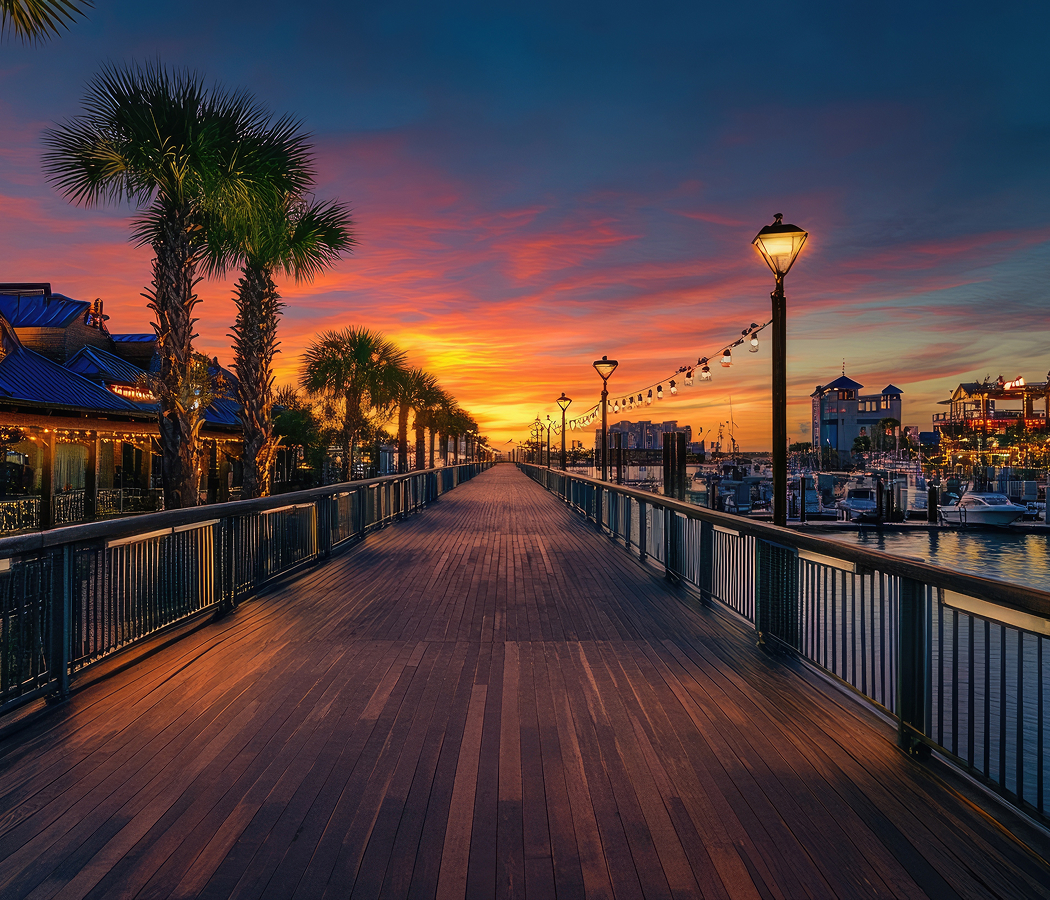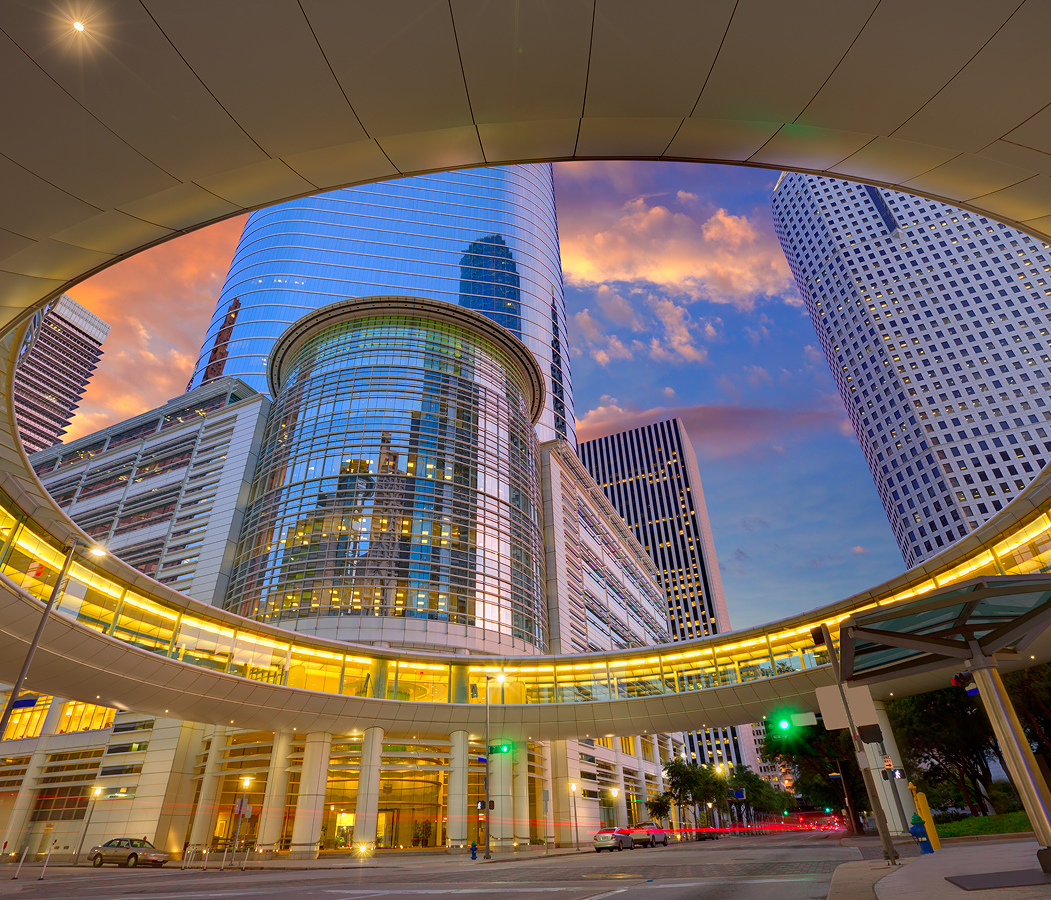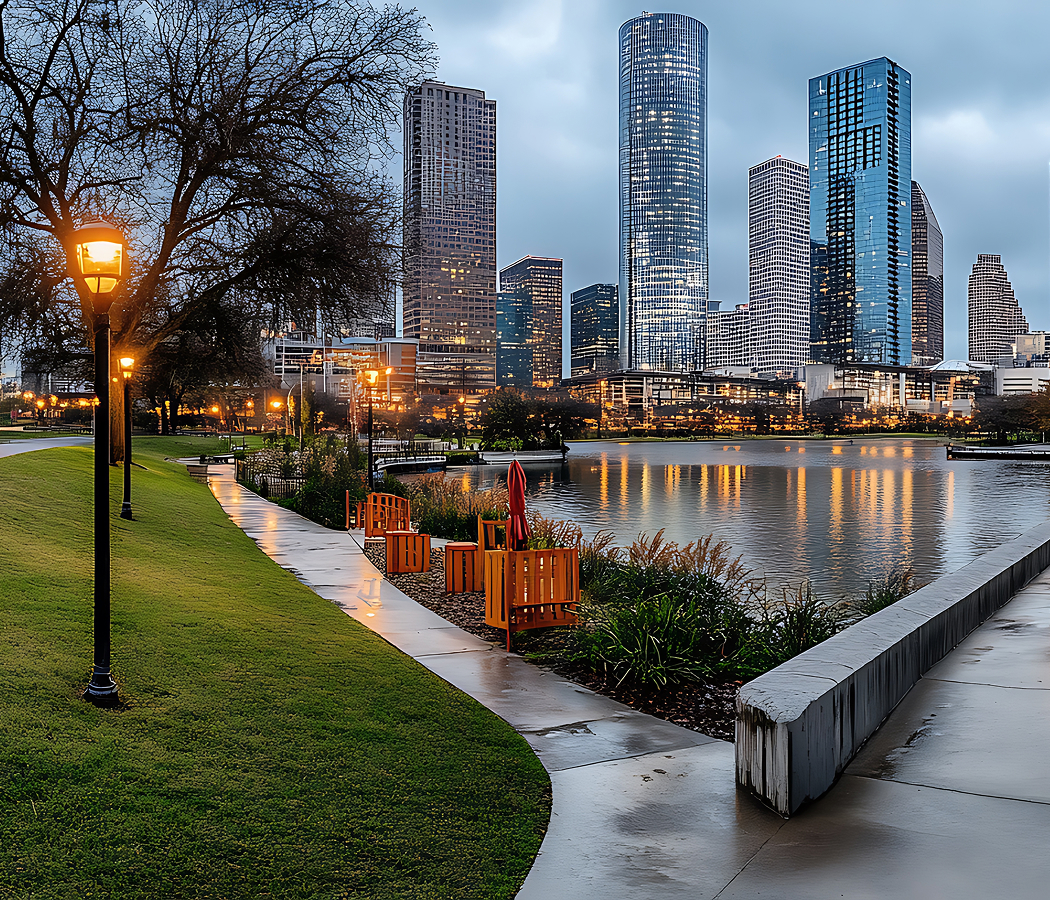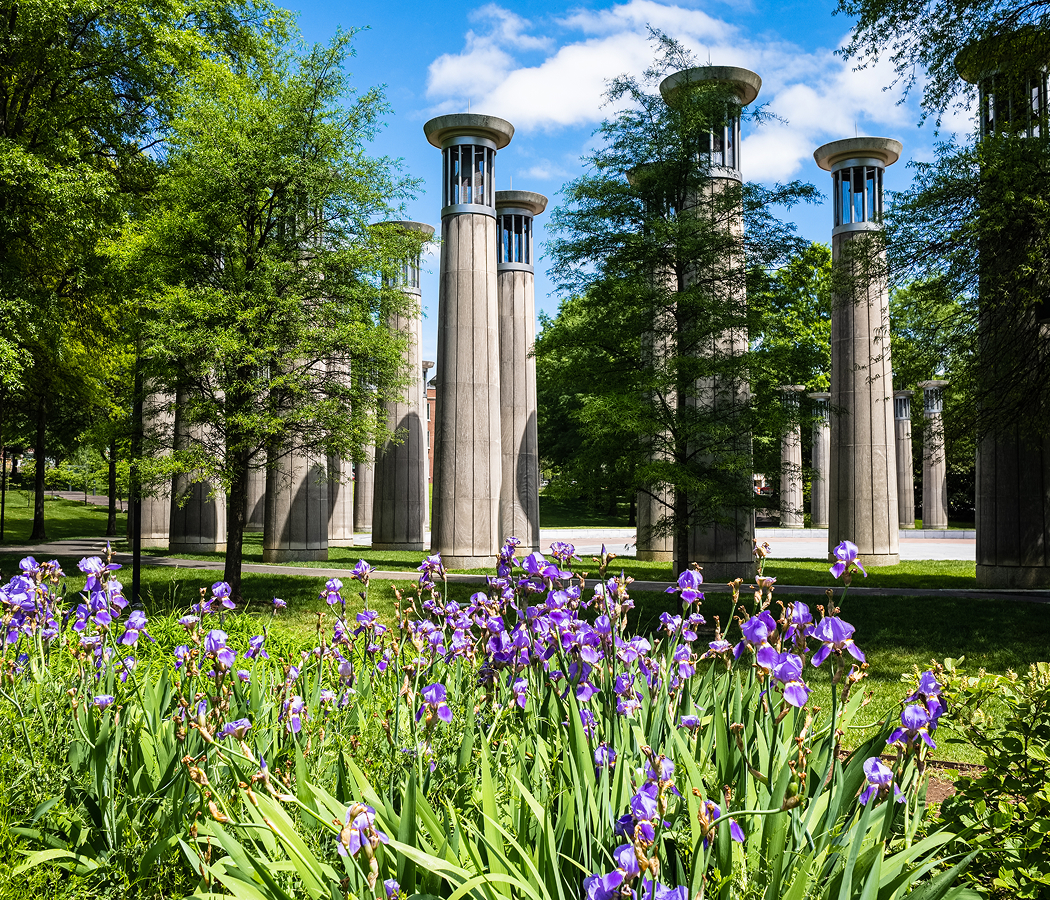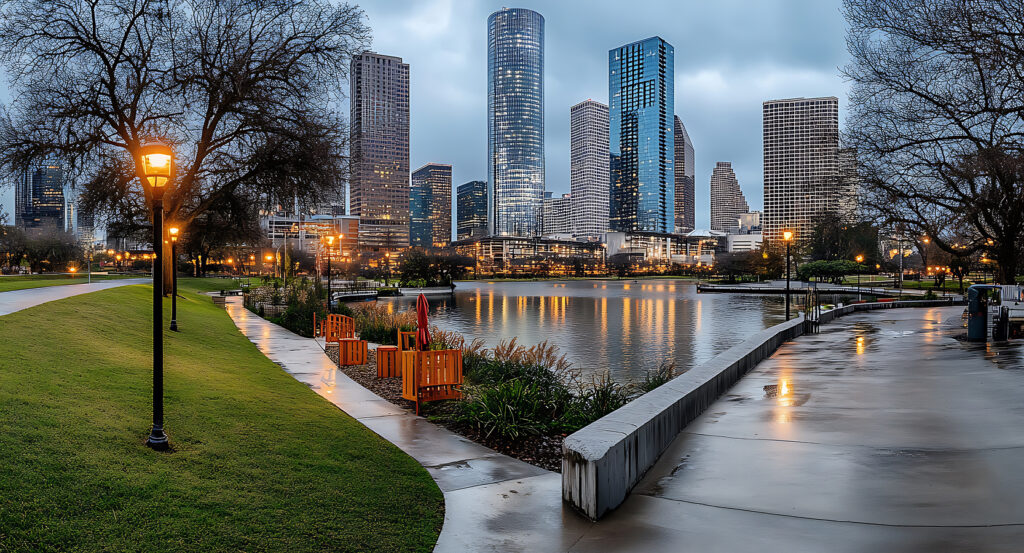
Why you should experience Commerce Street in Houston, Texas.
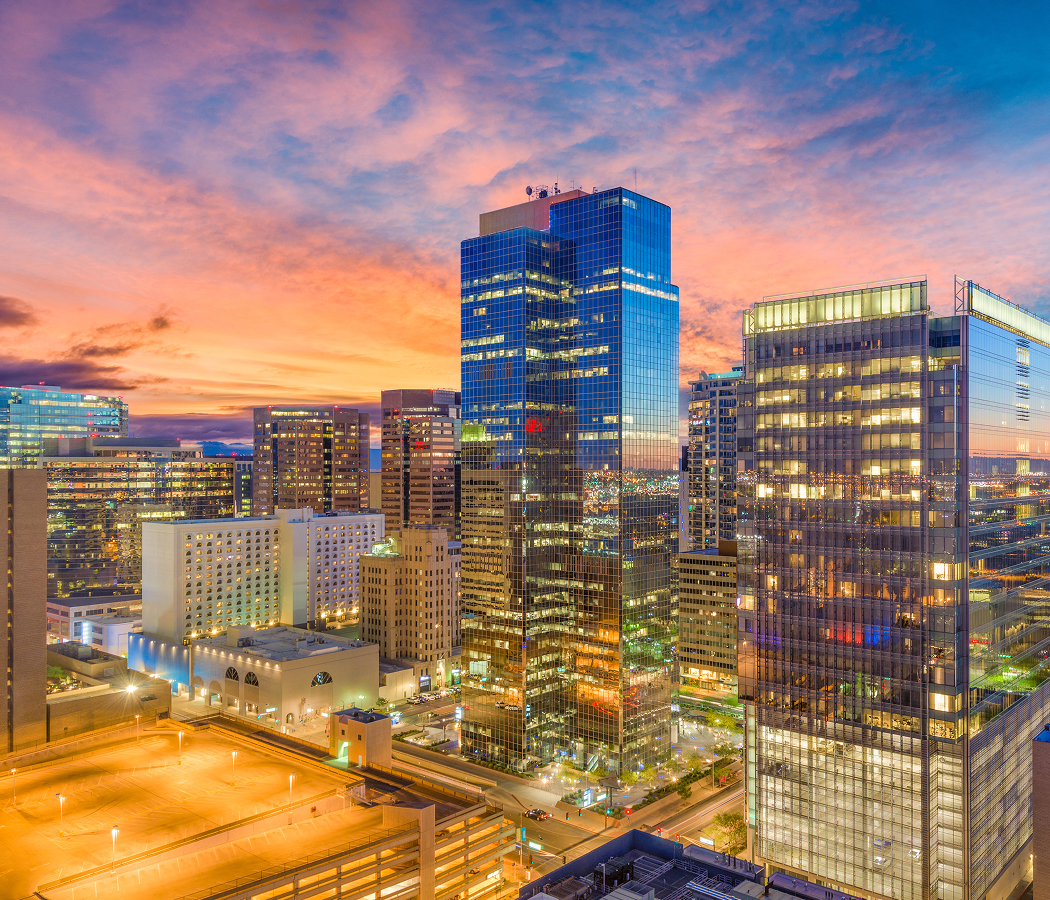
Commerce Street is a mercantile corridor where Downtown's entrepreneurial origins, railroad-era commerce, architectural heritage, and enduring connection to Buffalo Bayou reveal the city that built Texas' largest business center.
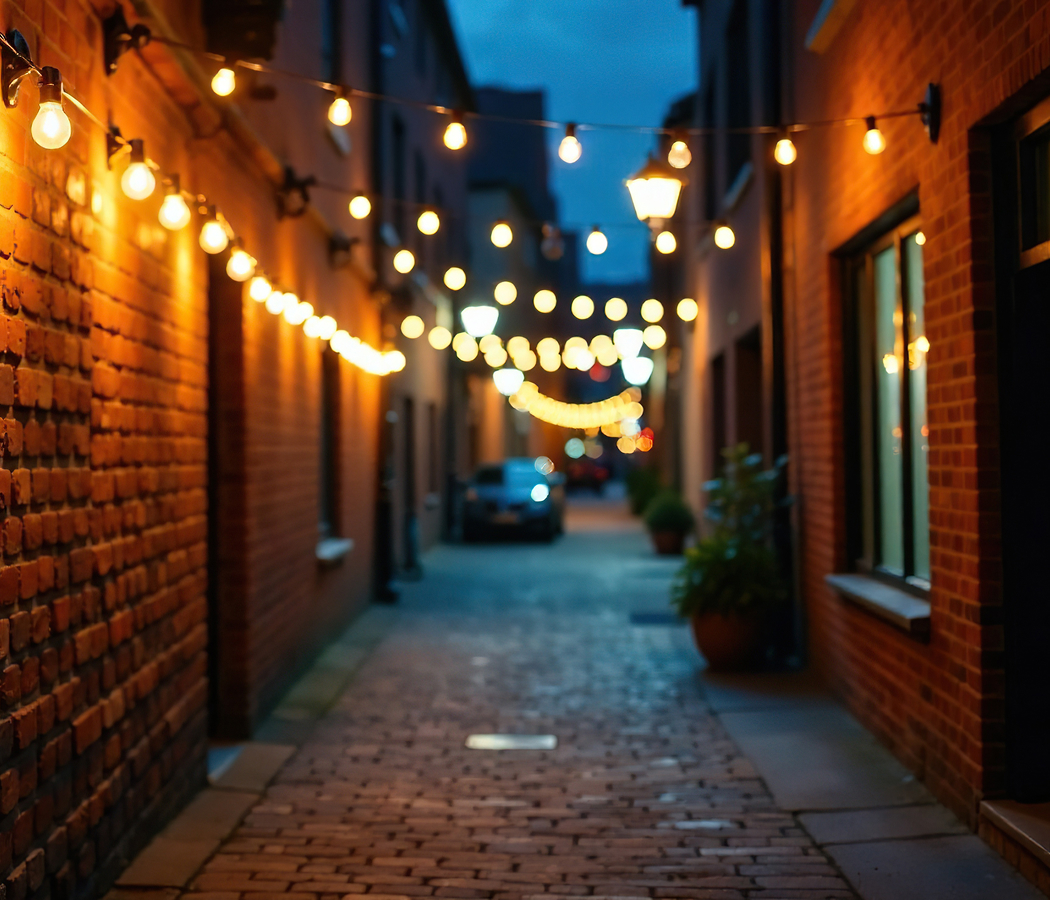
Running through Downtown between Market Square and EaDo, the corridor follows one of Houston's earliest commercial alignments, linking preserved warehouse buildings, historic storefronts, former wholesale blocks, and civic spaces that continue reflecting the city's nineteenth-century trading economy. Brick masonry, cast-stone façades, restored commercial architecture, and adaptive reuse projects preserve the character of a street shaped by merchants, railroads, and river commerce. Throughout the corridor, historic businesses, entertainment venues, and cultural destinations remain woven into an urban landscape where Houston's commercial foundations continue informing contemporary downtown life. The result is an experience defined by enterprise, continuity, and one of Houston's most authentic historic streets.
What you should know about Commerce Street.
Commerce Street is best known for occupying one of Houston's original streets established after Augustus Chapman Allen and John Kirby Allen founded the city in 1836, with its alignment intentionally serving the emerging commercial district beside Buffalo Bayou, the waterway that first connected Houston to Gulf Coast trade. During the second half of the nineteenth century, merchants, commission houses, cotton factors, banks, hotels, and wholesale grocers concentrated along the corridor as steamboat traffic and expanding railroad networks transformed Houston into the principal distribution center for Southeast Texas. Numerous surviving buildings reflect Italianate, Romanesque Revival, Classical Revival, and early twentieth-century commercial architecture, while portions of the corridor contribute to the Market Square Historic District, listed on the National Register of Historic Places in 1983 for its exceptional concentration of historic mercantile buildings. Continued adaptive reuse of former warehouses, loft buildings, and storefronts has preserved Commerce Street as one of downtown's clearest physical records of Houston's emergence from frontier settlement into a nationally important commercial city.
Historic masonry buildings along the corridor retain original brick façades, segmental-arched window openings, ornamental cornices, and heavy timber structural systems that demonstrate nineteenth-century construction methods developed for Houston's wholesale trade. Cotton brokers, produce merchants, hardware distributors, and import businesses once occupied many of these commercial blocks, creating an interconnected marketplace whose economic influence extended across Texas and the Gulf Coast. Archaeological investigations and historical documentation surrounding Buffalo Bayou continue reinforcing the corridor's relationship with the riverfront warehouses and shipping activity that sustained Houston's earliest economy. Together, these architectural resources, commercial enterprises, and surviving building traditions demonstrate how Commerce Street preserves one of the city's most complete expressions of its mercantile heritage.
How to fold Commerce Street into your trip.
Commerce Street works as a walk through the places where Houston's commercial history, waterfront origins, and architectural heritage converge.
Begin at Market Square Park, where Houston's original public square introduces the commercial heart that first animated the surrounding streets before following Commerce Street toward the bayou. Continue to Buffalo Bayou Park Cistern, whose grand underground reservoir reveals an extraordinary feat of early twentieth-century engineering while expanding the story of the city's relationship with its defining waterway. Conclude at Daikin Park, where one of Major League Baseball's most distinctive ballparks occupies former warehouse district land, providing a fitting finale that reflects the continued evolution of Houston's historic commercial core. The progression moves naturally from Houston's mercantile birthplace through engineering innovation before concluding where industrial heritage and contemporary city life intersect, revealing why Commerce Street remains one of downtown's defining historic corridors.
Where your story begins.
Foresyte Travel reveals places that feel extraordinary long before you arrive.
Experience premium editorial crafted for luxury travelers.