Why you should experience Congress Street in Houston, Texas.
Congress Street is a foundational corridor where Downtown's commercial origins, architectural legacy, civic memory, and continuing urban revival remain inseparable from the city's earliest development.
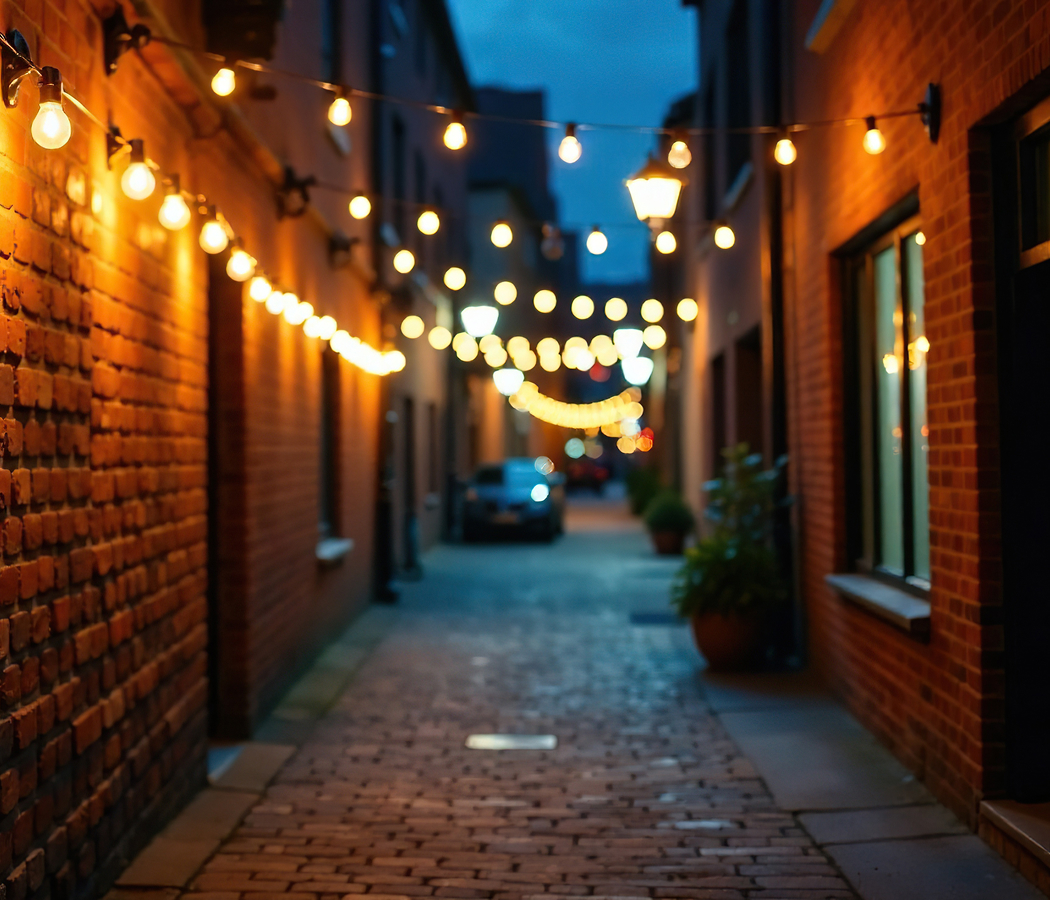
Running through Downtown between Market Square and Buffalo Bayou, the corridor traces one of Houston's original street alignments, linking nineteenth-century commercial blocks, restored historic buildings, public gathering spaces, and modern cultural destinations that collectively preserve the city's formative identity. Brick façades, landmark architecture, mature streetscapes, and adaptive reuse projects create an environment where Houston's past remains embedded within an active downtown setting. Throughout the corridor, historic preservation, independent businesses, and public life reinforce a streetscape that reflects both the city's origins and its ongoing reinvention. The result is an experience defined by continuity, character, and one of Houston's most enduring urban corridors.
What you should know about Congress Street.
Congress Street is best known for occupying one of Houston's original streets established after Augustus Chapman Allen and John Kirby Allen founded the city in 1836, with the corridor forming part of the original town plat laid out beside Buffalo Bayou to serve the Republic of Texas' emerging commercial settlement. During the nineteenth century, the street developed into a principal mercantile corridor lined with wholesale businesses, banks, hotels, warehouses, and civic institutions that supported Houston's rapid growth as a regional transportation and trading center connected by bayou navigation and expanding railroad networks. Much of the corridor lies within the Market Square Historic District, listed on the National Register of Historic Places in 1983, where numerous late nineteenth- and early twentieth-century commercial buildings remain preserved through adaptive reuse, reflecting architectural styles that include Italianate, Romanesque Revival, and Classical Revival. Continued preservation initiatives, public investment, and downtown revitalization have enabled Congress Street to retain one of Houston's most significant concentrations of historic commercial architecture while illustrating the city's evolution from frontier settlement to major metropolitan center.
Several restored buildings along the corridor incorporate cast-iron storefront elements, pressed-metal cornices, and load-bearing brick construction that document nineteenth-century commercial building practices rarely preserved elsewhere in Central Houston. Market Square Park, reestablished as a major civic gathering space following its comprehensive twenty-first-century redevelopment, reinforces the corridor's longstanding role as the historic heart of public life while commemorating the location of Houston's original City Hall and principal public market. Heritage Society collections, archival photography, and archaeological research continue documenting the corridor's transformation through fires, rebuilding campaigns, transportation expansion, and successive waves of commercial investment that reshaped downtown over nearly two centuries. Together, these architectural resources, preservation efforts, and historical records demonstrate how Congress Street remains one of the clearest physical expressions of Houston's founding and continued urban development.
How to fold Congress Street into your trip.
Congress Street works as a walk through the places where Houston's commercial, civic, and architectural history first took shape.
Begin at Market Square Park, where Houston's original public square introduces the city's earliest commercial development before exploring the surrounding historic streetscape. Continue to Buffalo Bayou Park Cistern, whose grand underground reservoir reveals an extraordinary feat of early twentieth-century municipal engineering now transformed into one of downtown's most distinctive cultural spaces. Conclude at Sesquicentennial Park, where sweeping views across Buffalo Bayou celebrate the waterway that made Houston's founding possible while providing a fitting conclusion to the story of the city's emergence as a regional trading center. The progression moves naturally from Houston's civic birthplace through remarkable engineering heritage before concluding beside the bayou that sustained the city's earliest growth, revealing why Congress Street remains one of downtown's defining historic corridors.
Where your story begins.
Foresyte Travel reveals places that feel extraordinary long before you arrive.
Experience premium editorial crafted for luxury travelers.