Why you should experience Couturie Forest in New Orleans, Louisiana.
Couturie Forest is a secluded urban woodland where City Park's natural landscapes, ecological diversity, quiet trails, and environmental stewardship create one of New Orleans' most peaceful outdoor escapes.
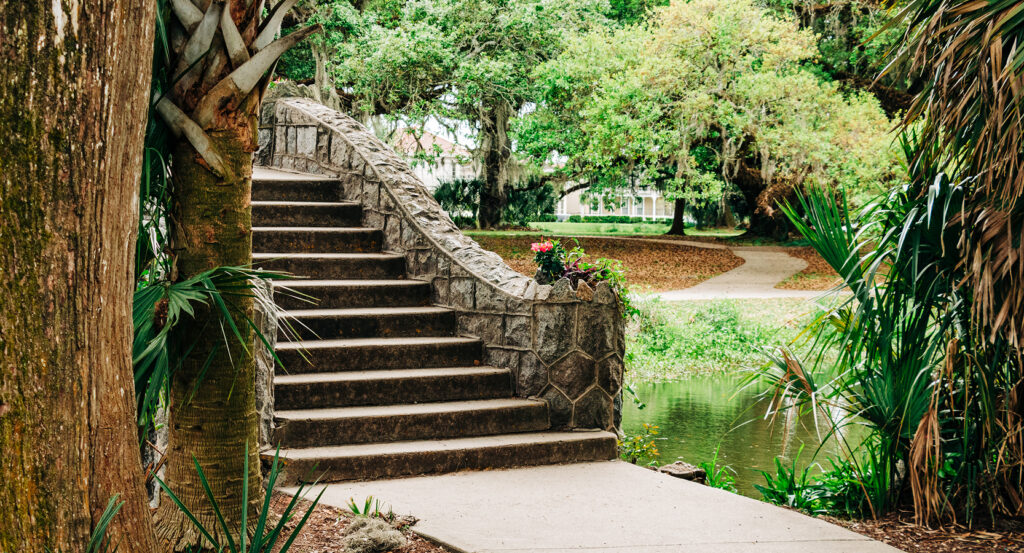
Set within City Park along Harrison Avenue near Scout Island and just steps from Laborde Mountain, this 60-acre forest invites visitors to wander beneath towering native trees, elevated boardwalks, shaded footpaths, and wetlands alive with birds, butterflies, and seasonal wildflowers. Dense woodland, tranquil ponds, and winding nature trails create an atmosphere where the sounds of the city quickly fade into one of Louisiana's richest urban ecosystems. Every walk offers another opportunity to discover the quieter side of New Orleans. The result is an experience defined by ecological beauty, outdoor exploration, and one of the city's most distinctive natural preserves.
What you should know about Couturie Forest.
Couturie Forest is best known for transforming a former municipal landfill into a thriving 60-acre native forest, representing one of New Orleans' most ambitious urban ecological restoration projects. Opened in 1986 and named for local philanthropist Florence Couturie, whose support helped make the project possible, the forest was developed through extensive reforestation efforts that introduced thousands of native trees, shrubs, and wetland plants to restore wildlife habitat within New Orleans City Park. The preserve contains more than two miles of walking trails, elevated boardwalks, freshwater ponds, and Laborde Mountain, an 43-foot-high hill created from reclaimed fill that remains the highest naturalistic point in New Orleans, offering uncommon panoramic views across City Park and the surrounding city. Couturie Forest has become one of the Gulf Coast's premier urban birding destinations, supporting more than 100 species of resident and migratory birds along the Mississippi Flyway, alongside turtles, amphibians, butterflies, and native plant communities rarely encountered elsewhere within the city. Carefully managed habitats, interpretive signage, and ongoing conservation initiatives continue demonstrating how ecological restoration can successfully reclaim degraded land while creating valuable recreational and educational opportunities for future generations.
Beyond its environmental significance, Couturie Forest demonstrates how innovative park planning can integrate conservation, education, and recreation within a major metropolitan landscape. Its network of quiet trails encourages birdwatching, photography, environmental learning, and peaceful reflection while preserving habitats that contribute to the ecological resilience of City Park. Woodland restoration, wetland ecology, environmental education, urban conservation, and landscape planning combine to create one of Louisiana's most inspiring examples of ecological renewal.
How to fold Couturie Forest into your trip.
Couturie Forest works as the natural centerpiece of an exploration through City Park.
Begin at the Sydney and Walda Besthoff Sculpture Garden, where art and landscape introduce the remarkable diversity surrounding Couturie Forest. Continue to Big Lake, whose tranquil waterfront complements the forest's restored ecosystems. Conclude at the New Orleans Botanical Garden, where beautifully curated collections provide a memorable finale celebrating the remarkable relationship between conservation, horticulture, and natural beauty that defines City Park. The progression moves naturally from sculpture to woodland exploration before concluding through one of Louisiana's finest botanical collections, revealing why Couturie Forest remains one of New Orleans' essential outdoor experiences.
Where your story begins.
Foresyte Travel reveals places that feel extraordinary long before you arrive.
Experience premium editorial crafted for luxury travelers.