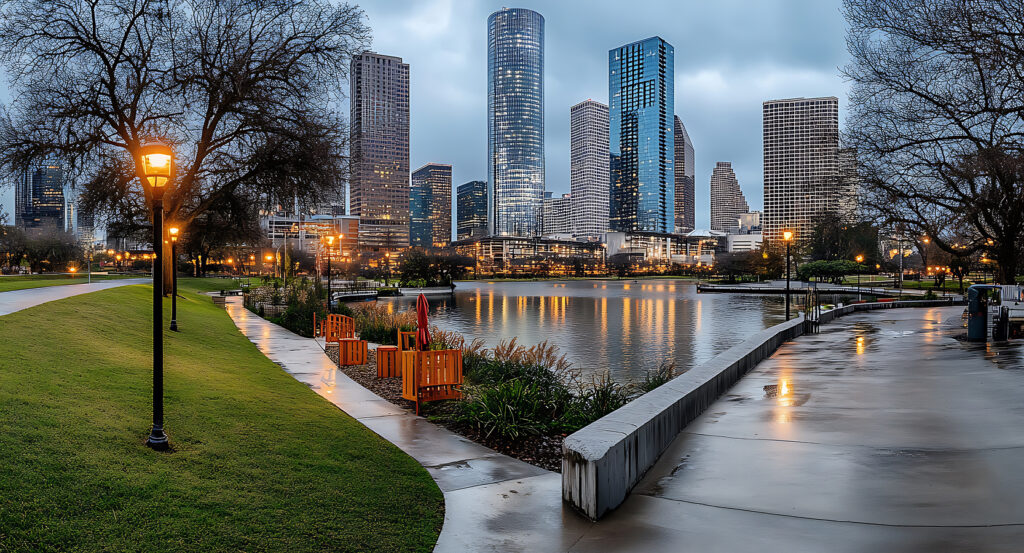
Why you should experience Crocker Street in Houston, Texas.
Crocker Street is a historic First Ward corridor where railroad heritage, industrial craftsmanship, and artistic reinvention converge along one of Houston's enduring urban streets.
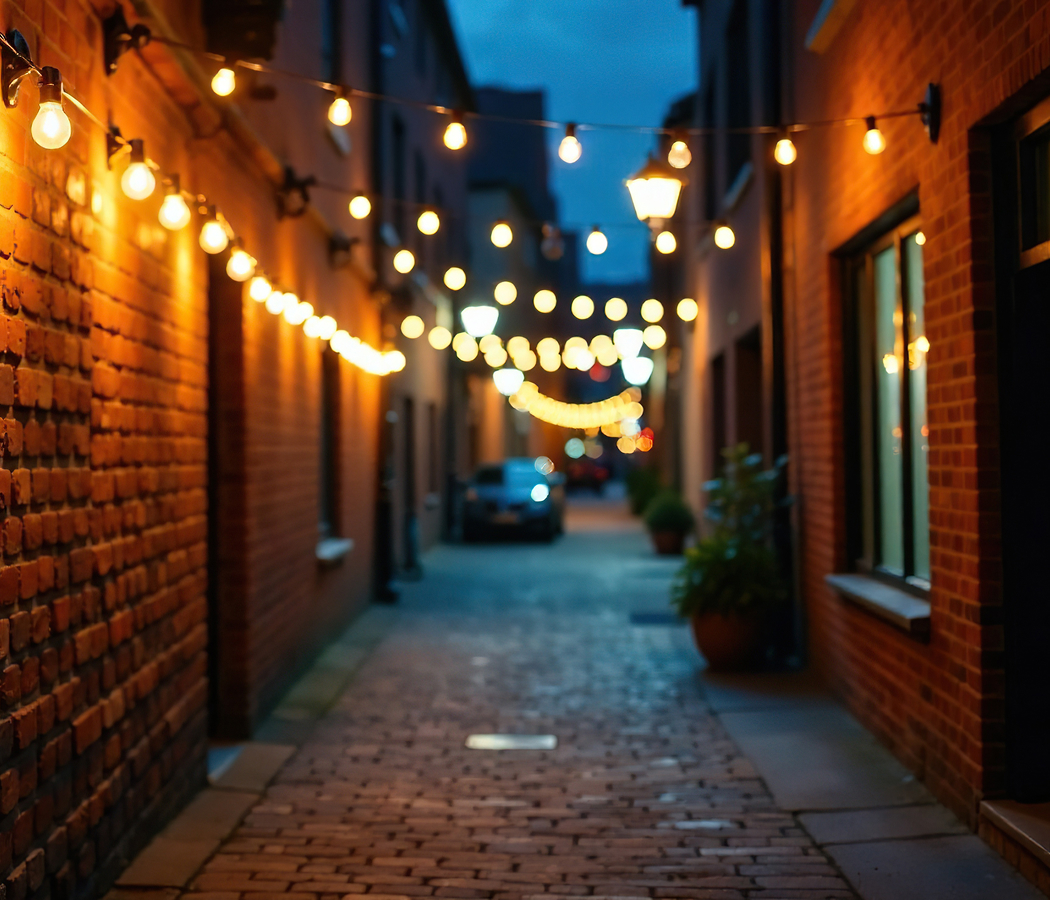
Running through First Ward between Washington Avenue and Sawyer Street, this established corridor connects converted warehouses, artist studios, neighborhood businesses, galleries, restaurants, and residential communities that reflect more than a century of continuous transformation. Historic brick industrial buildings, restored commercial spaces, public art, and tree-lined neighborhood blocks create a streetscape that preserves Houston's manufacturing legacy while embracing a spirited creative economy. As railroads and industry fueled Houston's early growth, Crocker Street became part of a working district whose buildings continue to shape the neighborhood's character today. The result is a corridor defined by preservation, creativity, and enduring neighborhood character.
What you should know about Crocker Street.
Crocker Street is best known for passing Sawyer Yards, whose oldest warehouse buildings date to 1912 before their transformation into one of the nation's largest creative communities, now housing more than 400 working artists across a campus of historic industrial buildings.
The earliest warehouse structures were completed in 1912 to support Houston's expanding railroad and manufacturing economy, serving freight, storage, and industrial operations for decades. As industrial uses gradually declined, the buildings entered a new chapter through careful adaptive reuse that preserved their historic architecture while creating studios, galleries, exhibition spaces, and creative workshops for hundreds of artists. Today, Sawyer Yards hosts regular open studio events, exhibitions, and public programming that have established the campus as one of Houston's premier cultural destinations. Few Houston corridors are associated with a landmark that so successfully preserves the city's industrial heritage while fostering one of the nation's largest working artist communities.
How to fold Crocker Street into your trip.
Crocker Street works as an exploration of Houston's industrial history and contemporary arts community.
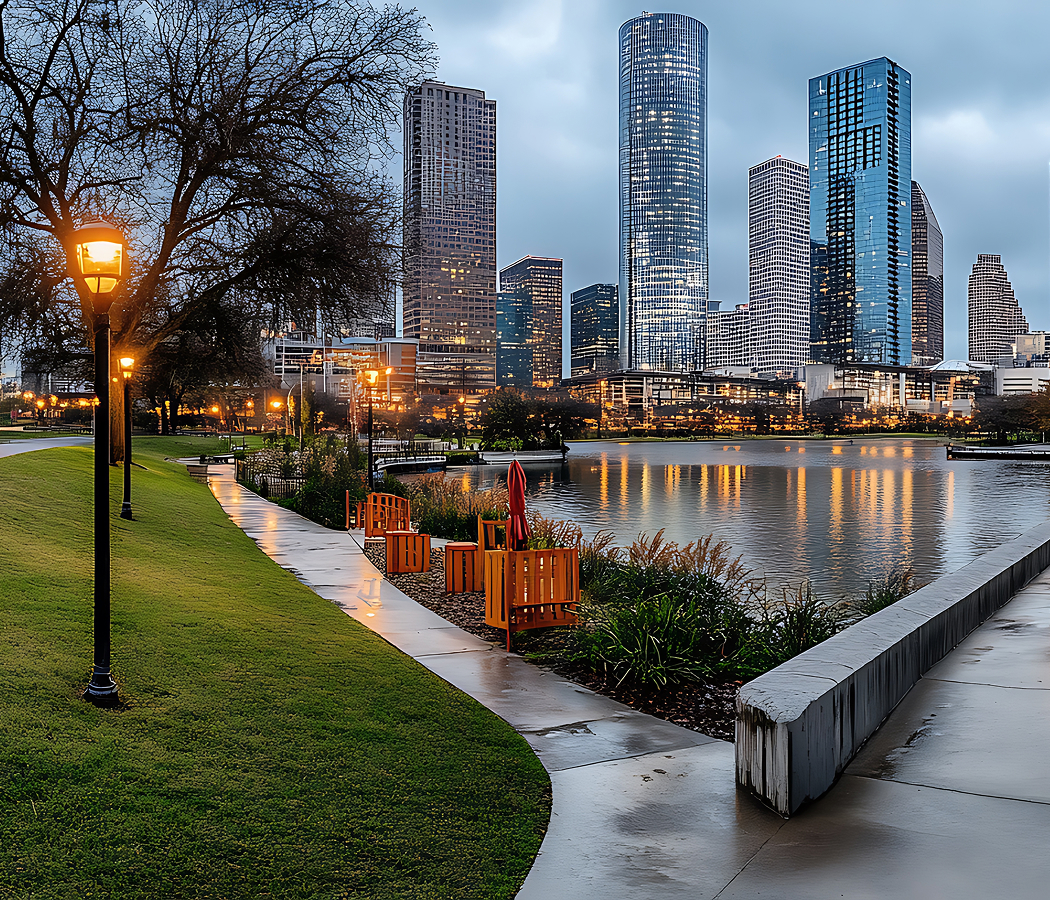
Begin at Sawyer Yards, where historic warehouse buildings filled with artist studios immediately establish the corridor's remarkable creative identity. Continue to Buffalo Bayou Park, whose trails, public art, and skyline views reveal the natural landscape that supported Houston's earliest industrial development. From there, conclude at Silver Street Studios, where additional galleries and working artist spaces provide a fitting finale to an afternoon immersed in creativity, architecture, and neighborhood culture. Along the route, converted warehouses, neighborhood cafés, galleries, murals, public art installations, locally owned businesses, and restored industrial buildings demonstrate how Crocker Street continues to celebrate both craftsmanship and innovation. The progression moves naturally from Houston's largest creative campus to celebrated bayou parkland before concluding with another renowned arts destination, revealing why Crocker Street remains one of First Ward's most compelling historic corridors.
Where your story begins.
Foresyte Travel reveals places that feel extraordinary long before you arrive.
Experience premium editorial crafted for luxury travelers.