Why Culver Street matters.
Culver Street is a distinctive corridor where Downtown's historic neighborhoods, artistic energy, architectural preservation, and creative reinvention create one of Central Phoenix's most engaging streets.
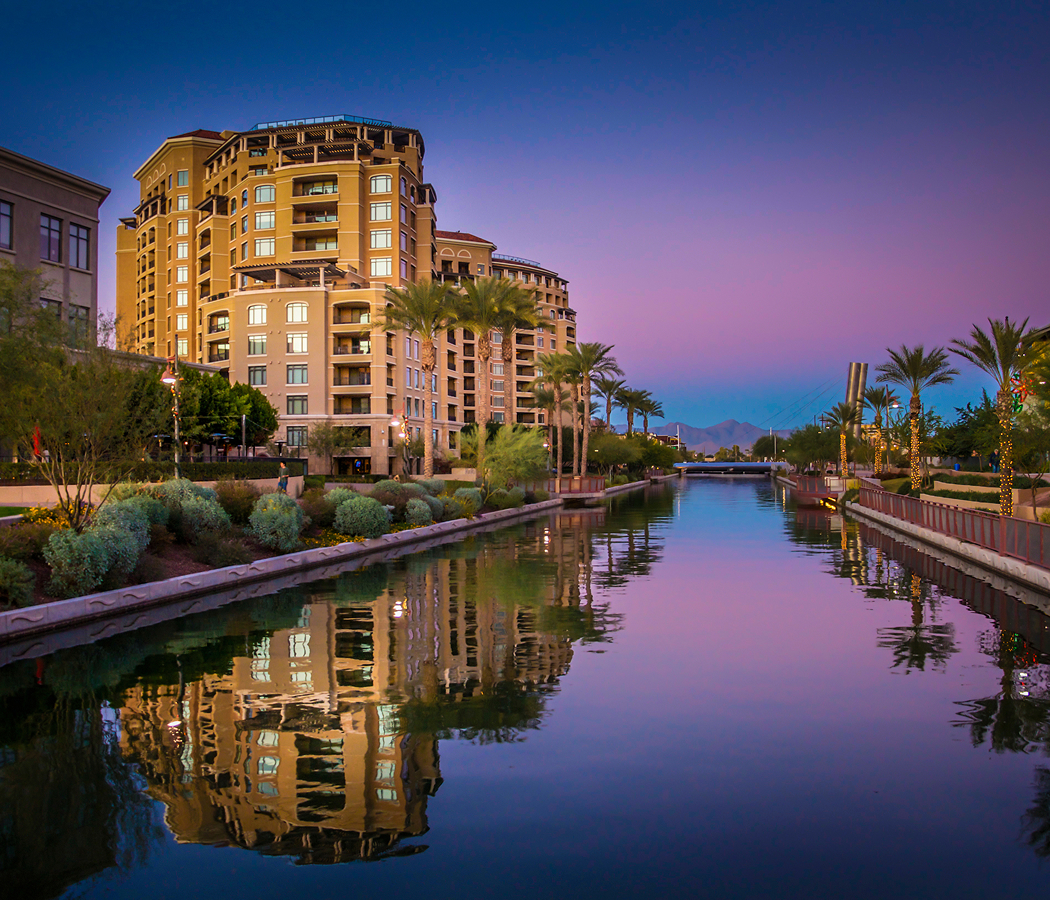
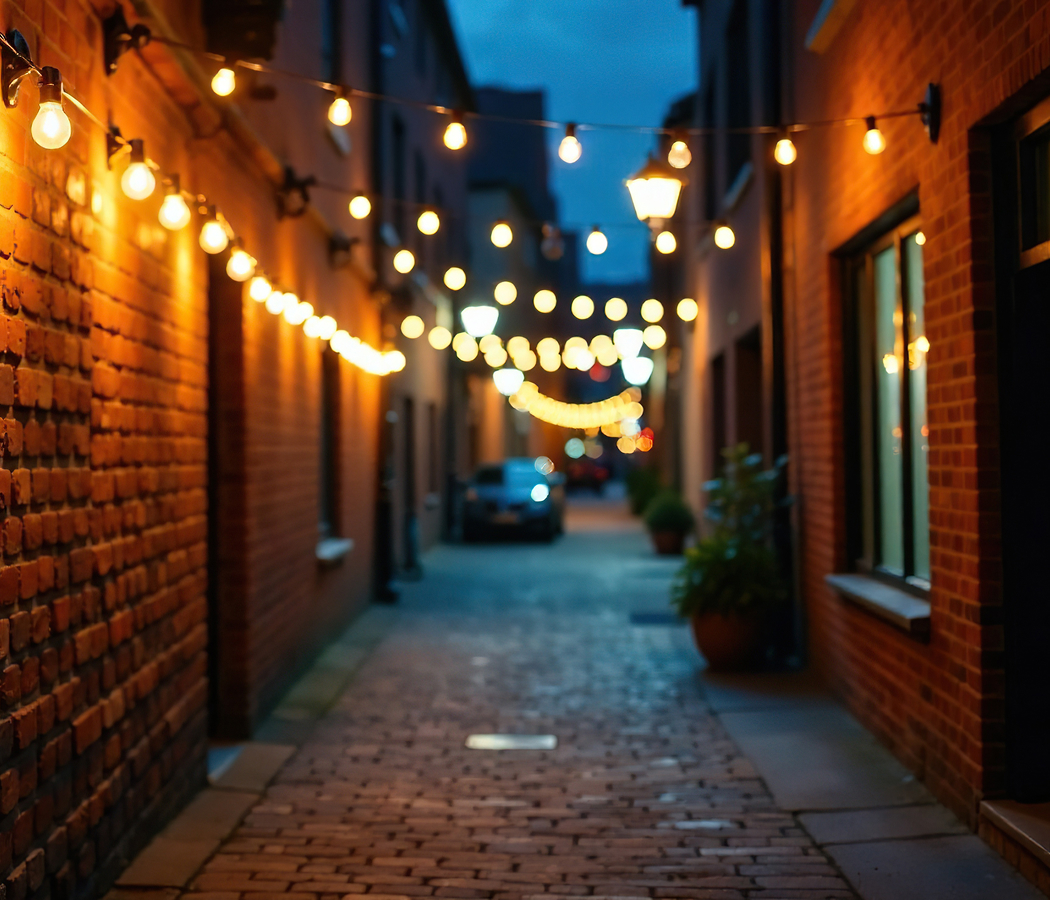
Running through Downtown between Roosevelt Row and the Garfield Historic District, the corridor connects restored historic homes, neighborhood businesses, cultural destinations, and walkable residential blocks that reflect more than a century of continuous urban evolution. Each successive stretch reveals Craftsman bungalows, mature shade trees, colorful murals, landscaped sidewalks, and carefully restored residences that reinforce the street's unmistakable identity. The defining moment arrives as Culver Street demonstrates how preservation, neighborhood creativity, and sustained community investment continue shaping one of Phoenix's most compelling urban environments. The result is an experience defined by architectural character, cultural vitality, and one of Downtown's most rewarding corridors.
What defines Culver Street.
Culver Street is best known for passing through the Garfield Historic District, a residential neighborhood largely developed between 1883 and 1955 that preserves one of Phoenix's largest concentrations of early twentieth-century homes. Residential construction introduced Craftsman, Bungalow, Spanish Colonial Revival, Tudor Revival, and Ranch architecture featuring red brick masonry, wood clapboard siding, decorative porch columns, exposed rafter tails, divided-light wood windows, clay tile roofs, and ornamental masonry detailing that continue defining the corridor's architectural identity. The surrounding district earned listing on the National Register of Historic Places in 2010, recognizing hundreds of contributing historic resources while reinforcing long-term preservation throughout one of Central Phoenix's oldest residential neighborhoods. Mature ficus trees, irrigated parkways, preserved alley networks, detached garages, historic sidewalks, and walkable residential blocks maintain the neighborhood's original planning structure while reinforcing Culver Street's cohesive streetscape. Continued reinvestment has restored historic residences while introducing artist studios, neighborhood cafés, creative workspaces, and carefully designed infill that respects the corridor's established architectural rhythm. Collectively, the corridor's residential origins, architectural diversity, preservation achievements, and creative reinvestment established Culver Street as one of Downtown's defining neighborhood corridors.
The Historic Garfield Neighborhood Association continues organizing preservation initiatives, neighborhood events, and community advocacy that reinforce Culver Street's historic character while encouraging thoughtful stewardship throughout the district. The Arizona Preservation Foundation promotes historic documentation, preservation education, and rehabilitation recognition that strengthen appreciation for the corridor's architectural legacy while supporting continued conservation efforts. Desert willow, blue palo verde, mature ash trees, citrus trees, flowering shrubs, irrigated planting beds, and shaded sidewalks establish a welcoming streetscape that complements the surrounding historic residences while enhancing neighborhood walkability. Together, these preservation organizations, neighborhood initiatives, and enduring landscape traditions demonstrate how Culver Street continues retaining its distinctive character through sustained community investment and thoughtful architectural stewardship.
How Culver Street fits.
Culver Street works as an exploration of Downtown's historic neighborhoods and creative culture.
Begin at Heritage Square, where preserved Victorian-era buildings establish the historical foundation surrounding Culver Street while naturally introducing Phoenix's earliest residential development. Continue to Roosevelt Row Arts District, where galleries, murals, and creative businesses deepen appreciation for the artistic energy that complements the Garfield neighborhood before guiding the experience toward its historical conclusion. Conclude at Phoenix Art Museum, where nationally recognized collections provide the historical payoff by illustrating the broader cultural evolution that continues shaping Central Phoenix. The progression moves naturally from the city's earliest residential heritage to contemporary artistic expression before culminating in one of Arizona's leading cultural institutions.
Where your story begins.
Foresyte Travel reveals places that feel extraordinary long before you arrive.
Enjoy editorial crafted for luxury travelers.
Foresyte may earn a commission when you book.