
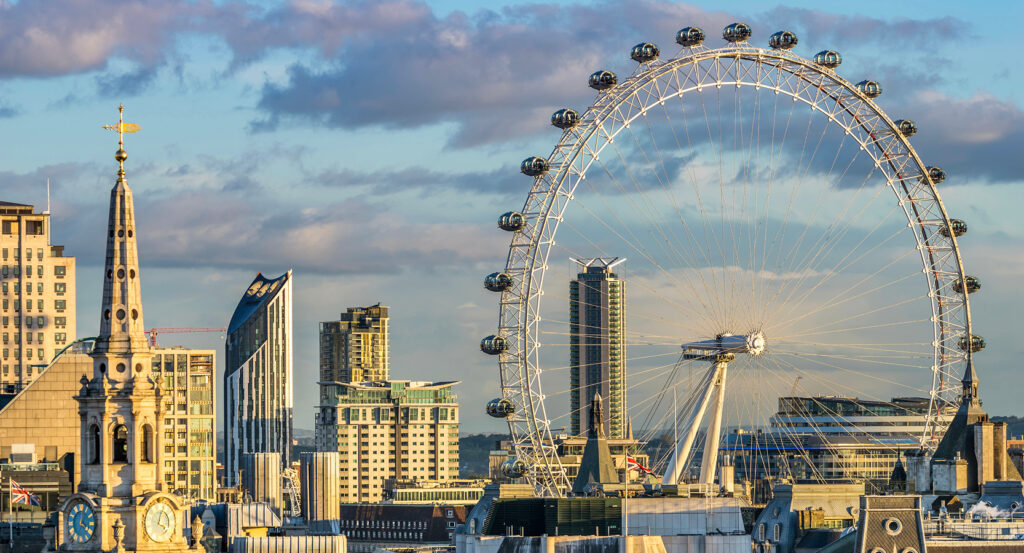
Why you should experience Druid Street in London, England.
Druid Street is a spirited corridor where Bermondsey's industrial heritage, railway engineering, food culture, and warehouse architecture converge within one of South London's most distinctive urban districts.
Running through Bermondsey between London Bridge and Bermondsey, the corridor developed during the nineteenth century as railway construction, riverside commerce, and warehouse expansion transformed former industrial land into an important centre for manufacturing, storage, and wholesale trade. Railway arches, brick warehouses, food producers, commercial buildings, and transport infrastructure established a lasting relationship between industry and commerce that continues defining Druid Street today. Twenty-first-century regeneration introduced independent food businesses, creative enterprises, and hospitality venues while preserving much of the area's industrial character. The result is an experience defined by industrial continuity, adaptive reuse, and a streetscape shaped by Bermondsey's commercial evolution.
What you should know about Druid Street.
Druid Street is best known for running beneath the brick viaducts constructed for the London, Brighton and South Coast Railway during the 1830s and 1840s, infrastructure that reshaped Bermondsey while creating the arches that later accommodated warehouses, workshops, food manufacturers, and wholesale businesses serving London's expanding economy. The corridor developed close to the former wharves of the River Thames, where leather production, tanning, food processing, brewing, and storage industries established Bermondsey as one of nineteenth-century London's principal manufacturing districts. During the early twenty-first century, many surviving railway arches were adapted for independent bakeries, breweries, cafés, and specialist food producers, establishing Druid Street as an important destination within London's contemporary food scene while retaining its industrial streetscape. The street preserves this layered history through its Victorian railway engineering, warehouse buildings, and continuing commercial activity within the Bermondsey Street Conservation Area.
Maltby Street Market began operating beneath the railway arches during the early 2010s, expanding the area's longstanding commercial tradition through independent food traders and artisan producers. The Fashion and Textile Museum, opened in 2003 within a building designed by Ricardo Legorreta, reflects Bermondsey's continuing association with design, craftsmanship, and creative industries. The Blue Market continues a trading tradition dating to the nineteenth century, reinforcing Bermondsey's historic role as a centre for neighbourhood commerce. Southwark Council, Historic England, and Network Rail continue conserving the surrounding railway structures, historic buildings, and commercial spaces associated with Druid Street.
How to fold Druid Street into your trip.
Druid Street works as an exploration of Bermondsey's industrial heritage, railway architecture, and food culture.
Begin at The Blue Market, where longstanding neighbourhood commerce introduces the historic character surrounding Druid Street. Continue to Maltby Street Market, whose businesses occupy restored railway arches that reflect the corridor's industrial evolution. Conclude at the Fashion and Textile Museum, where contemporary design complements Bermondsey's manufacturing heritage. The progression moves naturally from historic local commerce through adaptive industrial reuse before concluding with one of the district's leading cultural institutions.
Where your story begins.
Foresyte Travel reveals places that feel extraordinary long before you arrive.
Experience premium editorial crafted for luxury travelers.














































































































