
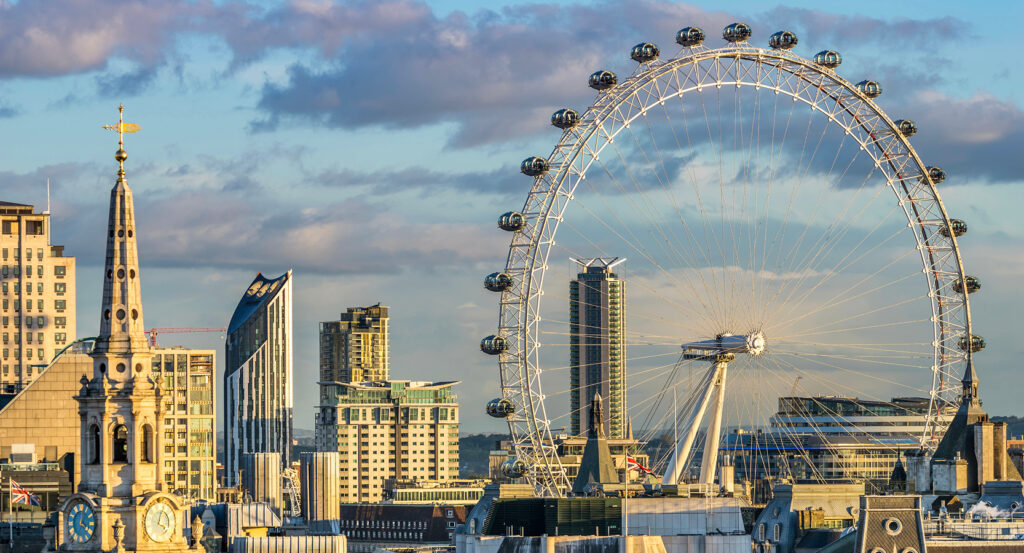
Why you should experience East Dulwich Road in London, England.
East Dulwich Road is a historic South London corridor where village heritage, green space, and residential elegance converge along one of the area's most important connecting avenues.
Running through East Dulwich between Camberwell and Dulwich Village, this historic avenue connects residential neighborhoods, public parks, cultural institutions, educational landmarks, community destinations, and commercial centers that have shaped local life for generations. Victorian terraces, mature tree-lined streets, historic architecture, and expansive green spaces create an environment defined by continuity and livability. The corridor developed as South London expanded during the nineteenth century, attracting educators, professionals, artists, residents, entrepreneurs, and civic leaders. Architects, planners, conservationists, community organizations, and local institutions helped establish a reputation rooted in culture and quality of life. Surrounding districts extend naturally from East Dulwich Road through a network of historic neighborhoods, parks, and cultural destinations that reinforce its enduring significance. The result is a street defined by heritage, community, and urban charm.
What you should know about East Dulwich Road.
East Dulwich Road is best known for bordering Dulwich Park, among the finest surviving examples of a Victorian public park designed by Charles Barry Jr., the son of the architect who co-designed the Palace of Westminster.
Opened in 1890, the park was created to provide accessible green space for a rapidly growing population while reflecting the ideals of Victorian civic improvement. Landscape architects, civic leaders, gardeners, residents, and conservationists contributed to a destination featuring ornamental gardens, tree-lined promenades, water features, and recreational facilities. The park remains remarkably faithful to its original vision and continues to serve as a centerpiece of community life. Its historical and architectural significance distinguishes it from many later urban parks. Few London corridors enjoy such a close relationship with a landmark that captures the ambitions of Victorian public planning so completely.
How to fold East Dulwich Road into your trip.
East Dulwich Road works as an exploration of East Dulwich's green spaces, cultural heritage, and neighborhood character.
Begin on East Dulwich Road itself, where the avenue's defining relationship with community life, landscape, and urban development immediately comes into focus. Continue toward Dulwich Park, whose historic grounds reveal the civic and environmental traditions that helped shape the district across generations. From there, make your way to Dulwich Picture Gallery, where England's first purpose-built public art gallery provides a broader perspective on the artistic and cultural influences that continue to define the surrounding neighborhood. Along the route, you'll encounter historic streets, public parks, architectural treasures, cultural institutions, community destinations, educational landmarks, and celebrated urban landscapes that showcase the avenue's remarkable depth. Before concluding your visit, explore Belair Park, whose elegant setting highlights the recreational and social traditions that have long distinguished this part of South London. The progression moves naturally from historic corridor to Victorian park to pioneering gallery and landscaped parkland, revealing the forces that transformed East Dulwich Road into one of South London's most appealing avenues. East Dulwich Road remains one of the capital's most rewarding streets, preserving a distinctive balance between environmental significance, historical continuity, and neighborhood vitality.
Where your story begins.
Foresyte Travel reveals places that feel extraordinary long before you arrive.
Experience premium editorial crafted for luxury travelers.














































































































