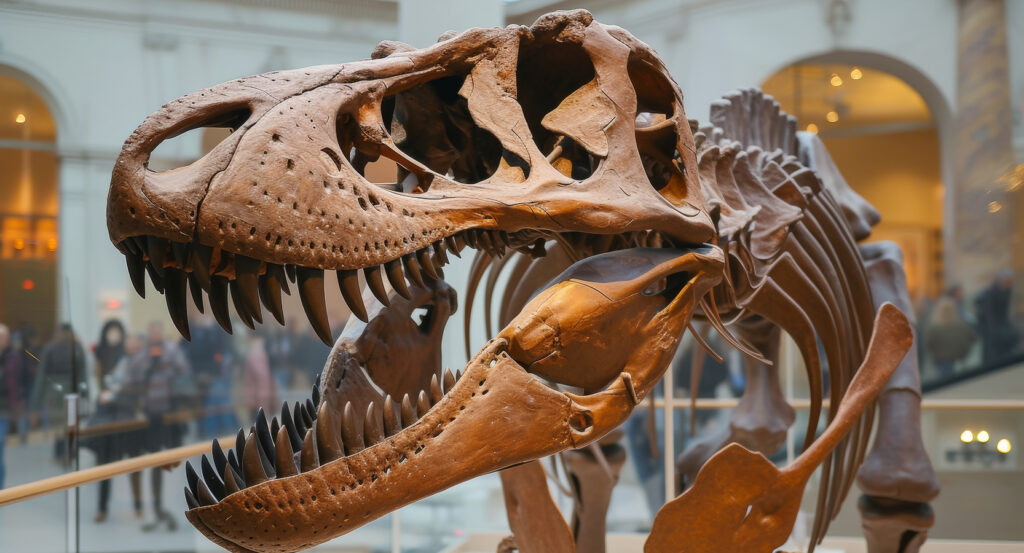
Why Field Museum matters.
Field Museum is a celebrated natural history museum where Museum Campus' scientific leadership, global exploration, groundbreaking research, and humanity's shared history converge within one of the world's premier research institutions.
Set along South DuSable Lake Shore Drive near East Roosevelt Road and just steps from Shedd Aquarium, this expansive museum unfolds through soaring exhibition halls, fossil galleries, cultural collections, immersive laboratories, and grand Beaux-Arts architecture where dinosaurs, ancient civilizations, gemstones, biodiversity, and scientific discovery span billions of years of Earth's history. Marble colonnades, vaulted interiors, meticulously curated exhibitions, and active research facilities immerse visitors within a collection that continually advances understanding of the natural and human worlds. Science, exploration, and discovery shape every gallery.
What defines Field Museum.
Field Museum is best known for opening in 1894 as the Columbian Museum of Chicago following the 1893 World's Columbian Exposition before relocating to its present Museum Campus building in 1921, where architect Daniel H. Burnham's Beaux-Arts vision established one of the largest natural history museums on Earth while supporting scientific research through collections exceeding 40 million specimens and artifacts spanning anthropology, botany, geology, paleontology, zoology, and cultural history. Founded through the efforts of merchant Marshall Field, whose transformative financial support secured the institution's future, the museum rapidly evolved into a global center for scientific collecting through expeditions across Africa, Asia, the Americas, Antarctica, and the Pacific. Its limestone-clad building, designed by Graham, Anderson, Probst & White in accordance with Burnham's 1909 Plan of Chicago, encompasses 480,000 square feet of exhibition space beneath classically proportioned halls inspired by ancient Greek architecture. Among its most celebrated collections is SUE, the largest, most complete, and best-preserved Tyrannosaurus rex specimen yet discovered, excavated in South Dakota in 1990 by paleontologist Sue Hendrickson and unveiled following years of conservation and scientific analysis. The museum also preserves the Máximo the Titanosaur cast, more than 23 million biological specimens, among North America's finest Egyptology collections including twenty-three human mummies, extensive Native American collections, meteorites, gemstones, the Grainger Hall of Gems, and globally significant archives supporting evolutionary biology, climate science, archaeology, biodiversity, and conservation research. Scientists affiliated with the museum continue describing hundreds of new species, conducting DNA analysis, participating in international archaeological excavations, advancing conservation biology, and publishing peer-reviewed research that reinforces the institution's position among the world's leading centers for natural history scholarship.
Purpose-built research laboratories, expansive collection storage, carefully designed exhibition galleries, and internationally respected scientific programs demonstrate how museum collections continue generating new knowledge long after expeditions conclude. Fossil preparation facilities, conservation studios, zoological archives, botanical collections, archaeological discoveries, and advanced analytical technologies reveal the interconnected history of life, human civilization, and planetary change while supporting collaborative research across dozens of scientific disciplines. Continuing field expeditions, specimen digitization, conservation science, genomic research, and educational initiatives ensure the museum remains one of the world's foremost institutions advancing scientific understanding. Research excellence, scholarly stewardship, and global exploration combine to create one of North America's finest museum experiences.
How Field Museum fits.
Field Museum works as the centerpiece of an exploration through Museum Campus' celebrated cultural institutions.
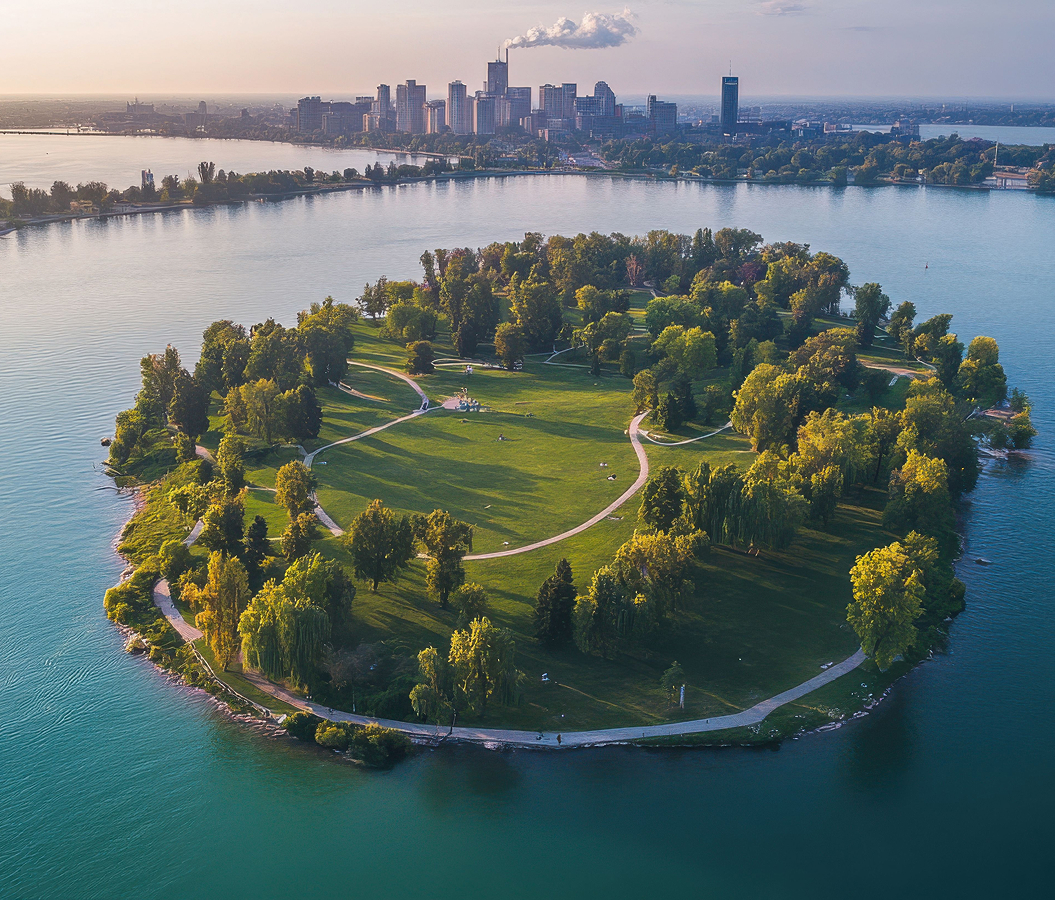
Begin at Shedd Aquarium, where aquatic ecosystems establish a fitting introduction before exploring the Field Museum's globally significant collections. Continue to Adler Planetarium, whose astronomy exhibitions expand the scientific journey from Earth's history to the wider universe. Conclude at Northerly Island Park, where sweeping views across Lake Michigan and the Chicago skyline provide a memorable finale overlooking one of the city's defining cultural districts. The progression moves naturally from marine science to natural history before concluding along Chicago's scenic lakefront, revealing why Museum Campus remains one of the city's foremost centers for science and education.
Where your story begins.
Foresyte Travel reveals places that feel extraordinary long before you arrive.
Enjoy editorial crafted for luxury travelers.
Foresyte may earn a commission when you book.