Why Fulton Street matters.
Fulton Street is a historic Near Northside corridor where railroad heritage, Hispanic culture, and neighborhood resilience converge along one of Houston's most enduring urban streets.
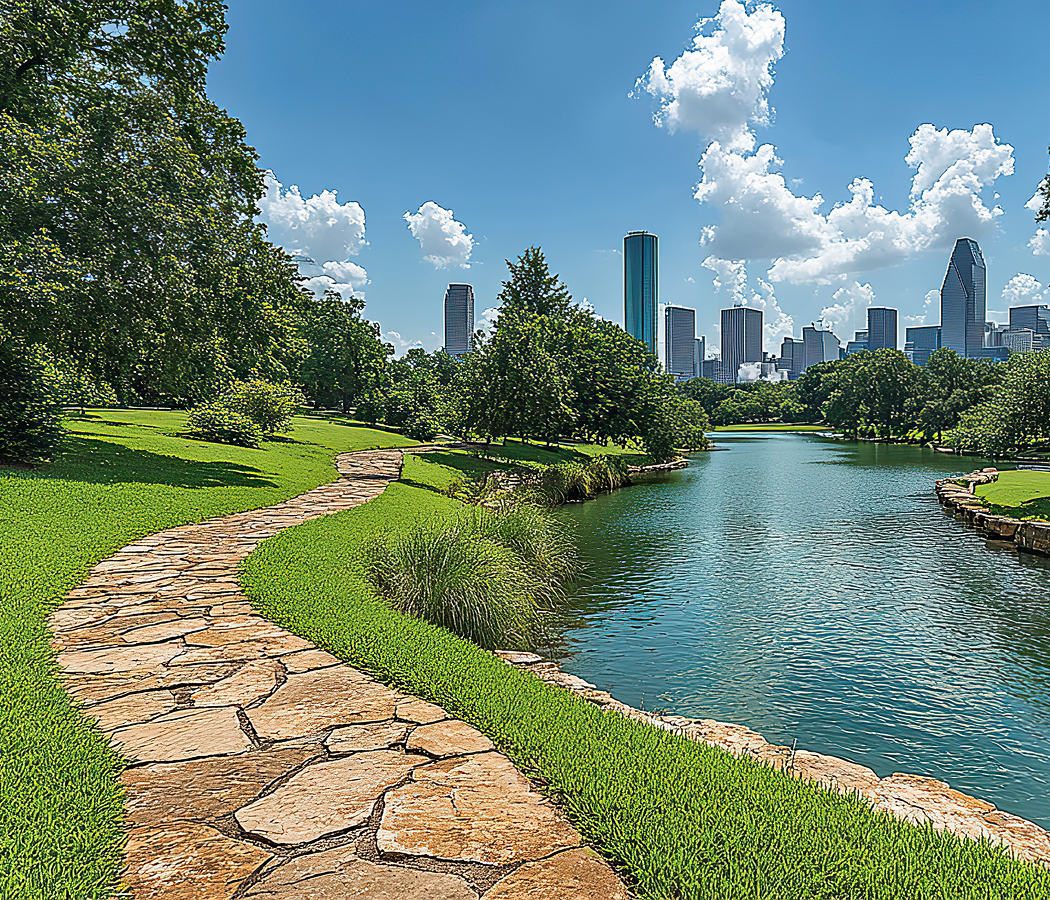
Running through Near Northside between Downtown and Independence Heights, this historic corridor connects neighborhood parks, churches, schools, METRORail stations, family-owned businesses, and civic institutions that have shaped community life for well over a century. Historic storefronts, modest homes, public art, and walkable commercial blocks create a streetscape that reflects successive generations of immigration, industry, and neighborhood investment. As Houston expanded northward alongside its rail network, Fulton Street developed into a vital commercial and residential artery whose importance continues today. The result is a corridor defined by heritage, community, and lasting neighborhood identity.
What defines Fulton Street.
Fulton Street is best known for passing Moody Park, which opened in 1925 before becoming the site of the 1978 Moody Park Riot, a pivotal event in Houston's civil rights history that transformed police-community relations and accelerated reforms within the Houston Police Department.
Established in 1925 as one of the Near Northside's principal public parks, Moody Park served generations of neighborhood families through its recreational facilities and community gathering spaces. Its place in Houston history changed dramatically in 1978, when community outrage following the drowning death of José Campos Torres while in police custody erupted into one of the city's most significant episodes of civil unrest. The events surrounding the park became a lasting catalyst for public dialogue, civic accountability, and institutional reform, firmly establishing Moody Park as one of Houston's most historically consequential public spaces. Few Houston corridors are associated with a landmark whose history so powerfully reflects both the challenges and progress of the city's civic evolution.
How Fulton Street fits.
Fulton Street works as an exploration of Houston's historic Near Northside and its remarkable cultural legacy.
Begin at Moody Park, where the neighborhood's defining civic landmark immediately introduces both its recreational traditions and profound historical significance. Continue to Leonel Castillo Community Center, whose programs and community services reflect the neighborhood's longstanding commitment to civic engagement. From there, conclude at Saint Arnold Brewing Company, where Houston's oldest craft brewery provides a contemporary perspective on the continued revitalization of the Near Northside. Along the route, historic churches, neighborhood businesses, METRORail stations, public art, community gathering spaces, and longstanding local institutions demonstrate how Fulton Street continues to preserve its historic character while embracing new investment. The progression moves naturally from landmark public park to civic institution before concluding at one of Houston's most celebrated breweries, revealing why Fulton Street remains one of the city's most historically significant neighborhood corridors.
Where your story begins.
Foresyte Travel reveals places that feel extraordinary long before you arrive.
Enjoy editorial crafted for luxury travelers.
Foresyte may earn a commission when you book.