Why Harrisburg Boulevard matters.
Harrisburg Boulevard is a historic East End corridor where railroad heritage, immigrant traditions, and industrial ambition converge along one of Houston's oldest and most influential thoroughfares.
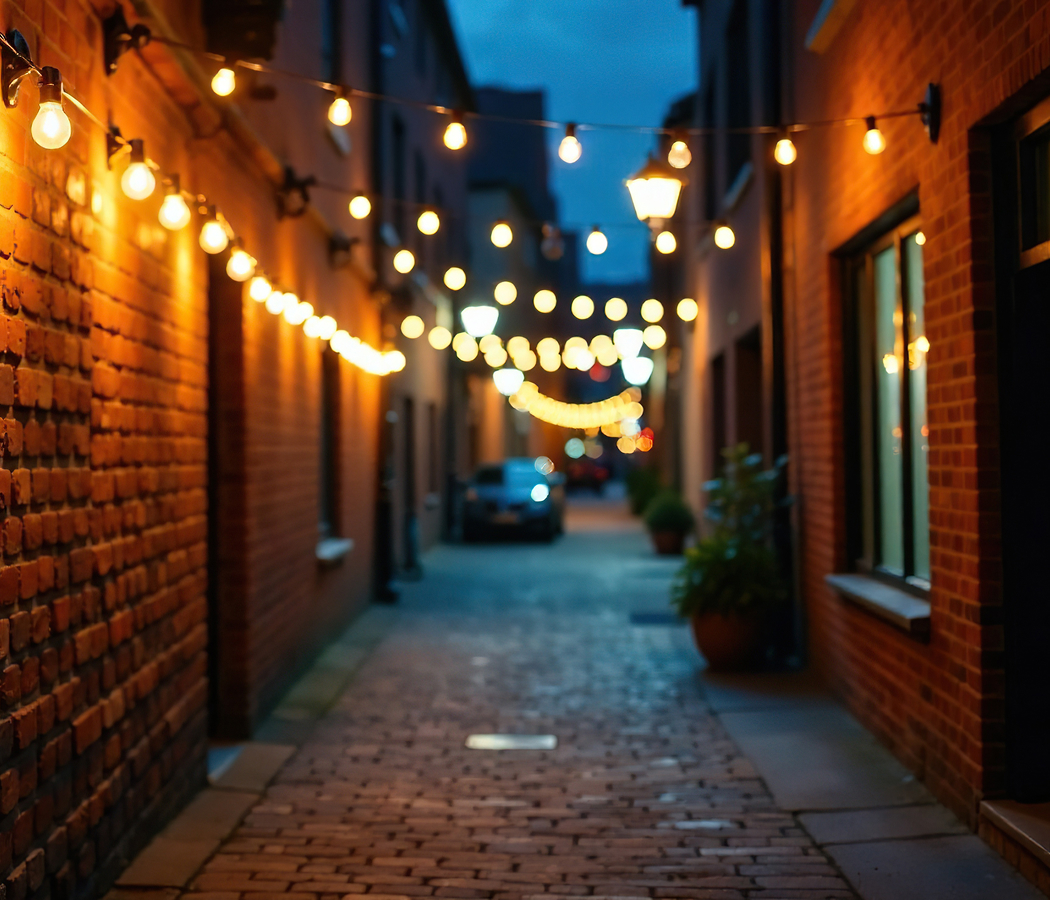
Running through East End between Downtown and Magnolia Park, this storied boulevard connects historic commercial districts, civic landmarks, neighborhood institutions, METRORail stations, and generations of family-owned businesses that have shaped Houston's eastern gateway for nearly two centuries. Brick storefronts, restored public spaces, colorful murals, and longstanding community gathering places reflect a corridor that has continually adapted while preserving its historic character. From its earliest days as a route linking Houston with the town of Harrisburg, the boulevard has remained central to the city's commercial and cultural evolution. The result is a corridor defined by resilience, heritage, and enduring community identity.
What defines Harrisburg Boulevard.
Harrisburg Boulevard is best known for leading to the Harrisburg townsite, founded in 1826 by John Richardson Harris, whose settlement became one of the earliest Anglo-American communities in Texas and served as Harris County's original county seat before its annexation into Houston.
Established more than a decade before the Republic of Texas was formally created, Harris's settlement quickly emerged as an important trading center along Buffalo Bayou, attracting merchants, river traffic, and early settlers seeking access to inland commerce. In 1836, following the Battle of San Jacinto, the provisional Texas government briefly operated from Harrisburg after the town had been burned by retreating Mexican forces, marking one of the most dramatic chapters in early Texas history. Although Houston soon eclipsed Harrisburg as the region's principal city, the boulevard preserves the name and legacy of the settlement that helped lay the foundation for Houston's emergence as a commercial powerhouse. Few Houston corridors are so directly connected to the city's earliest origins and the formative history of Texas itself.
How Harrisburg Boulevard fits.
Harrisburg Boulevard works as an exploration of Houston's historic East End and its remarkable connection to the city's earliest development.
Begin at Talento Bilingüe de Houston, where exhibitions and performances immediately introduce the corridor's rich Hispanic cultural heritage. Continue to Our Lady of Guadalupe Catholic Church, whose longstanding presence reflects generations of faith and community life that have shaped the East End. From there, conclude at The Orange Show Monument, where one of Houston's most celebrated folk-art environments provides a creative finale to a journey rooted in history, culture, and neighborhood identity. Along the route, historic storefronts, neighborhood bakeries, public art, METRORail stations, family-owned businesses, and community gathering spaces demonstrate how Harrisburg Boulevard continues to preserve its historic significance while embracing contemporary cultural life. The progression moves naturally from performing arts to historic church before culminating in visionary folk art, revealing why Harrisburg Boulevard remains one of Houston's most historically significant corridors.
Where your story begins.
Foresyte Travel reveals places that feel extraordinary long before you arrive.
Enjoy editorial crafted for luxury travelers.
Foresyte may earn a commission when you book.