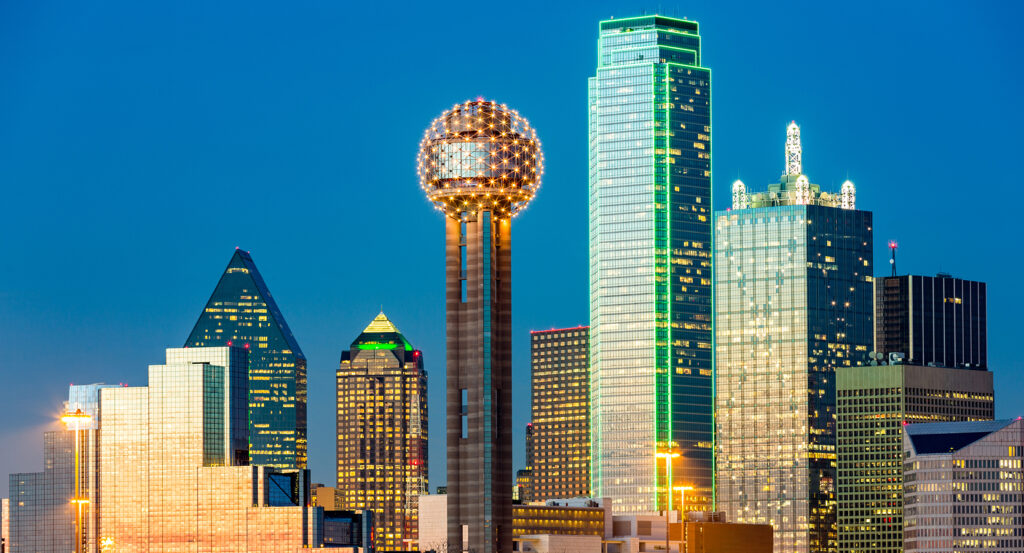
Why Hyatt Regency Dallas matters.
Hyatt Regency Dallas is where metropolitan ambition, Texan openness, and contemporary refinement meet, a stay that feels both purposeful and deeply connected to the city's cultural momentum.
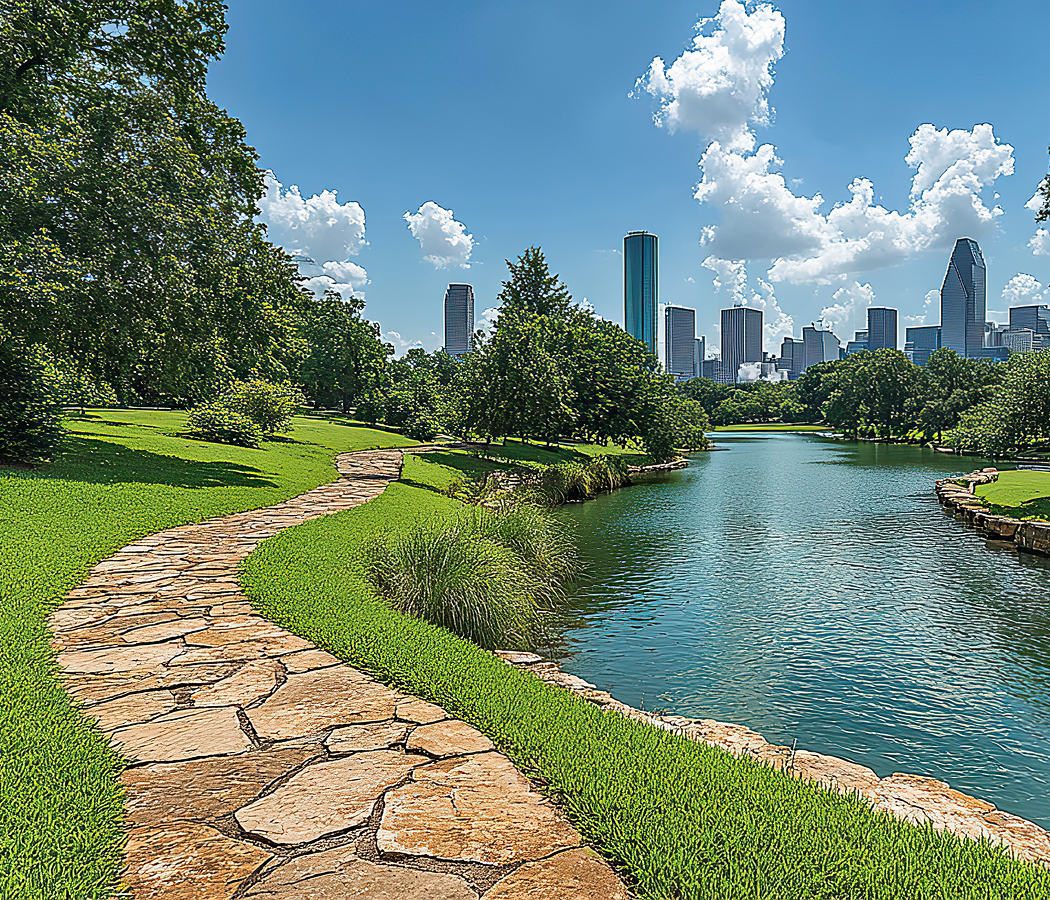
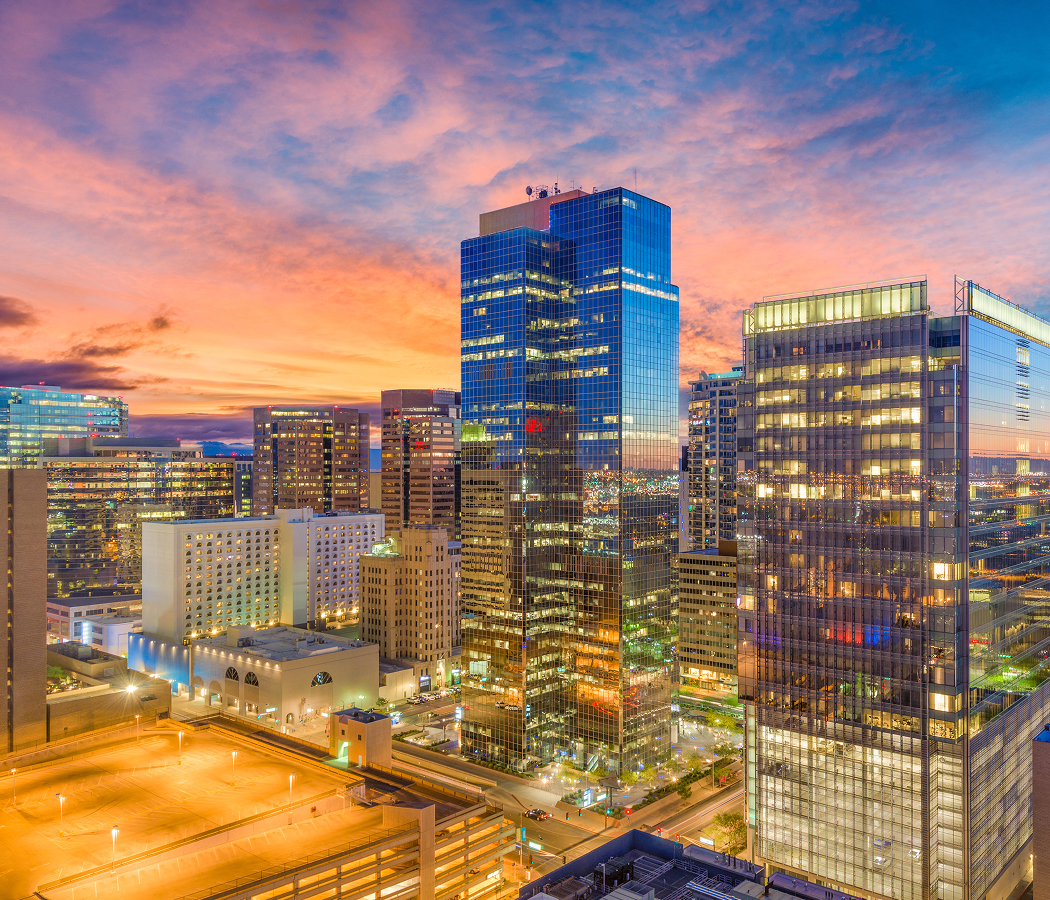
Located in the heart of Downtown, this hotel places you inside a dynamic urban grid where business, arts, culture, and local energy collide with confident clarity. Arrival here feels decisive: the city's skyline cuts a familiar silhouette, and the hotel's presence, substantial, composed, and modern, acts as a confident anchor within it. From the moment you pass through the doors, the atmosphere is one of spaciousness and intent. Interiors are designed to balance functionality and nuance: generous circulation spaces, layered lighting, tactile surfaces, and sightlines that create a sense of continuity. Public areas feel open without emptiness, atmospheric without distraction, environments that support conversation, pause, and purpose with equal ease. Guest rooms at Hyatt Regency Dallas extend this logic with environments that feel intentional. Expect beds dressed in crisp, quality linens that invite genuine rest; streamlined furniture that supports both work and relaxation; and layouts that maximize light and proportion. Rooms feel calm and composed, private moments of clarity amid a city that thrives on momentum, with windows that often capture downtown views, city streets, or flashes of sky that remind you of place. Bathrooms are refined and thoughtfully organized, with fixtures designed for both comfort and efficiency, lighting that supports morning readiness and evening decompression, and materials that balance warmth with modern polish. What defines Hyatt Regency Dallas is its integration of spatial order and urban presence. Public spaces, lounges, lobby areas, the breakfast restaurant and bar, have an architectural coherence that feels deliberate. They are spaces where people gather naturally, where conversations develop without effort, and where movement feels intuitive rather than choreographed. Whether you are meeting colleagues, planning your day, or simply savoring a moment of calm, these environments support a sense of being present. Dining here reflects the same balance: meals are offered with thoughtful execution rooted in local and contemporary sensibilities. Menus emphasize quality, seasonality, and flavor that feels honest rather than indulgent, welcoming both guests and locals into a shared space of taste and conversation. Service at Hyatt Regency Dallas is attentive and grounded. Staff engage with professionalism that feels human rather than procedural, offering insights into neighborhood rhythm, transit patterns, cultural venues, and dining choices rooted in real local knowledge rather than scripted lists. Step outside and Dallas unfolds in layered directions: uptown's architectural polish, deep Ellum's creative energy, the pedestrian density of Main Street Garden, the cultural depth of the Arts District, and the evolving culinary scene that infuses every part of this city with texture and momentum. Transit access and walkability make these explorations feel natural rather than logistical, turning each neighborhood into a distinct chapter of experience. Hyatt Regency Dallas is ideal for travelers who want Dallas to feel momentous, connected, and spatially articulate, a stay that privileges presence, clarity, and engagement with the city's life.
What defines Hyatt Regency Dallas.
Hyatt Regency Dallas exists within an urban fabric shaped by Dallas's evolution as a civic center, business hub, and cultural crossroads, a place where infrastructure, architecture, and public life were integrated early in the city's growth.
Downtown is not a district that was preserved as a museum of past eras. It was built, dismantled, rebuilt, and continuously reimagined as economic forces, cultural institutions, and urban planning theory evolved. The area around Hyatt Regency, bordered by major thoroughfares and adjacent to central business districts, was developed through pragmatic layers: transportation corridors served commerce and movement; offices served commerce and investment; and public spaces served collective life. This lineage of function-first urban design shapes how you experience the hotel's surroundings. The building doesn't rise as an isolated icon. Instead, it aligns with sightlines, street grids, and pedestrian logics that make Downtown feel both connected and legible. Inside the hotel, this translates into spatial sequences that support movement. Public areas flow into one another with logic; sightlines are maintained without abrupt shifts; materials were selected for durability and physical coherence rather than surface effect alone. Another lesser-known aspect of Downtown is how planners and civic actors emphasized cross-programming between work, transit, and culture early in the city's history. Instead of segregating functions, transport here, offices there, culture over there, the district evolved with overlapping nodes of use. This made movement seamless: street life remained part of the city's character even as it accommodated regional connection points, office density, and institutional infrastructure. Hyatt Regency Dallas benefits from this continuum. It isn't set apart like a retreat; it is part of the city's operational rhythm, where the street level informs upper floors, where transit intersections feel like natural parts of movement rather than barriers, and where public spaces outside the hotel extend rather than contrast its own. Inside, materials and spatial organization reflect this logic. Surfaces are chosen to support daily use with calm dignity; textures balance warmth with resilience; lighting supports duration and presence. Another subtle aspect of the hotel's urba character is how it mediates between scale and proportion. Dallas's downtown architecture includes both high-rise verticality and human-scale moments, plazas, parks, pedestrian streets, and the hotel responds to both. Rooms feel private but not isolated; public spaces feel social but not frenetic; transitions support flow. This reflects a broader Texan architectural temperament: confident without pretense, generous without extravagance, and unafraid of clarity over excess. Staying here places you within Dallas's structural logic of continuity, where city life, civic rhythm, and built form align in constant dialogue.
How Hyatt Regency Dallas fits.
Hyatt Regency Dallas works best when you allow the city's movements and layered neighborhoods to guide your experience.
Begin your mornings with a coffee at the hotel's café or nearby, letting the city organize itself around you: commuters stepping into motion, deliveries arriving, light changing across facades. Let this real-time cadence orient your senses before you move outward. From there, choose direction rather than distance: walk toward Klyde Warren Park for its open lawn and civic calm; veer toward the Arts District where museums, performance venues, and galleries offer cultural density; or explore the historic buildings and theaters of the West End. Each part of downtown redirects your perspective. Late mornings are ideal for deeper cultural engagement. Visit the Dallas Museum of Art, the Crow Museum of Asian Art, or the Nasher Sculpture Center, not as points on a map, but as environments that reward unhurried presence. Notice how interior spaces articulate light and scale differently from the street, reinforcing that cities speak in spaces as much as objects. Midday, return to Hyatt Regency Dallas for a pause that feels restorative. Eat lightly, read in a lounge, or observe street life through large windows, moments of clarity amid movement. In the afternoon, take advantage of the city's transit and walkability. Explore uptown's boutiques, South Side Ballroom's music pulse, or Main Street Garden's landscaped social space. Each return to the hotel becomes a recalibration rather than a reset: you're not leaving momentum behind, you're continuing it in another key. As evening approaches, let dinner unfold either at the hotel's restaurant, rooted in local flavors with contemporary execution, or nearby at one of Dallas's refined tables where conversation feels integrated into place. After dinner, walk through streets lit with calm energy, where nightlife feels alive without frenzy and the city's geometry at night reinforces continuity rather than disjunction. Returning to Hyatt Regency Dallas feels like settling into a composed interior sequence. On your final morning, linger. One more coffee, one more slow step through a street now familiar, one more moment of presence before departure.
Where your story begins.
Foresyte Travel reveals places that feel extraordinary long before you arrive.
Enjoy editorial crafted for luxury travelers.
Foresyte may earn a commission when you book.