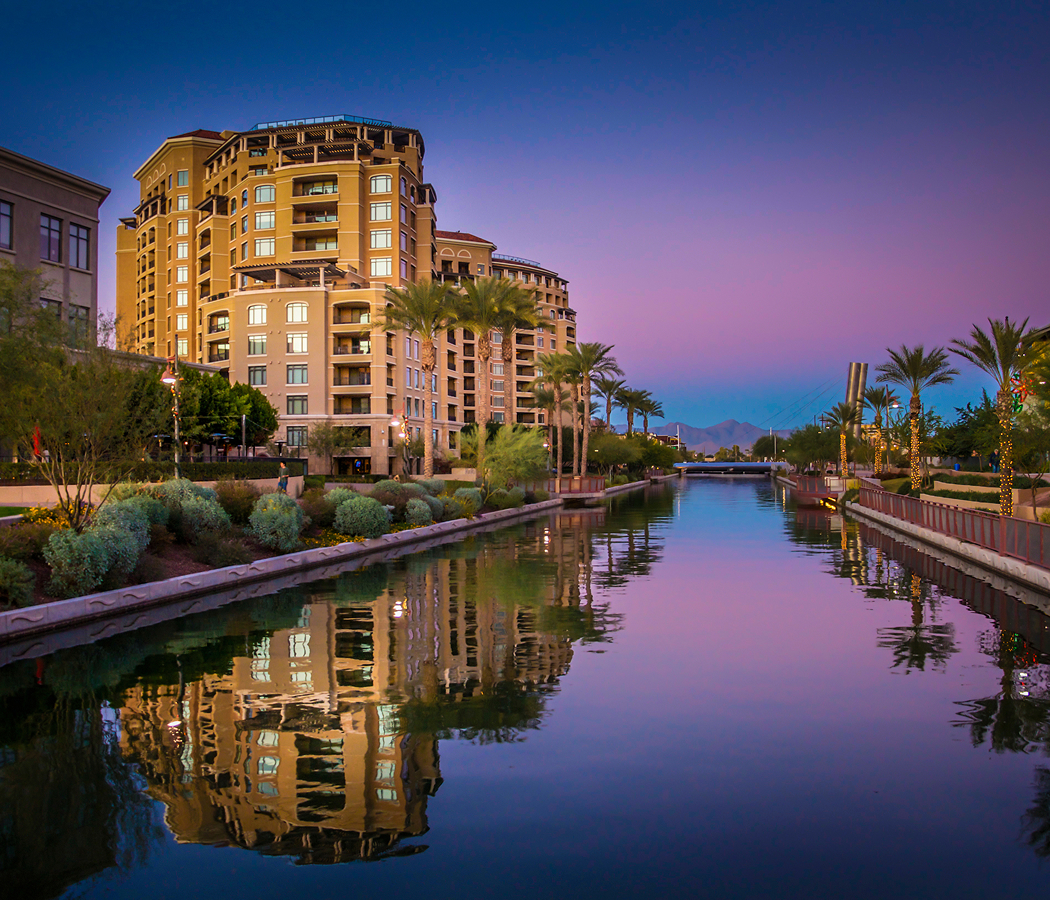
Why Lemmon Avenue matters.
Lemmon Avenue is a prominent Oak Lawn corridor where architectural heritage, urban sophistication, and commercial vitality converge along one of Dallas' most influential thoroughfares.
Running through Oak Lawn between Uptown, Love Field, and Highland Park, this distinguished corridor connects landmark hotels, acclaimed restaurants, luxury residential towers, neighborhood parks, medical institutions, and welcoming commercial districts that collectively showcase Dallas' remarkable urban evolution. Historic estates, architecturally significant commercial buildings, mature tree lined boulevards, thoughtfully designed mixed use developments, destination dining, beautifully landscaped public spaces, and energetic gathering places create an urban landscape where generations of entrepreneurs, architects, physicians, artists, and residents have shaped one of North Texas' defining urban corridors. Lemmon Avenue developed as one of the city's principal northbound routes before evolving into a defining connector between Dallas' premier residential, commercial, and cultural districts while preserving its enduring metropolitan importance. The result is a corridor defined by architectural distinction, commercial excellence, and lasting civic significance.
What defines Lemmon Avenue.
Lemmon Avenue is best known for The Mansion on Turtle Creek, the 1925 Italian Renaissance Revival estate built for cotton magnate Sheppard W. King that became one of Texas' first internationally acclaimed luxury boutique hotels after its transformation in 1980.
Designed by renowned architect Herbert M. Greene, the mansion embodied the elegance of Dallas' early twentieth century prosperity through its grand architecture, formal gardens, and exceptional craftsmanship. Its transformation into a luxury hotel established a new benchmark for hospitality in Texas, earning international recognition while preserving one of the city's most distinguished historic residences. Today, the property remains one of Dallas' most celebrated landmarks, welcoming visitors from around the world while continuing nearly a century of architectural and cultural significance. That extraordinary preservation has established Lemmon Avenue as a corridor anchored by one of the city's finest historic estates.
How Lemmon Avenue fits.
Lemmon Avenue works as an exploration of Dallas' architectural heritage, urban parks, and cultural attractions.
Begin at The Mansion on Turtle Creek, where grand Italian Renaissance Revival architecture immediately establishes the corridor's defining identity. Continue toward Katy Trail, where the celebrated urban rail trail provides broader perspective on Dallas' commitment to thoughtfully designed public spaces and outdoor recreation. From there, make your way to the Perot Museum of Nature and Science, where Thom Mayne's celebrated contemporary architecture and immersive exhibitions provide a memorable conclusion while celebrating one of Dallas' foremost cultural institutions. Along the route, you'll encounter architecturally significant landmarks, welcoming public spaces, thriving neighborhood destinations, beautifully maintained landscapes, celebrated cultural attractions, and energetic pedestrian streets that reveal Oak Lawn's exceptional depth. The progression moves naturally from one of Dallas' finest historic estates to the city's signature recreational trail to a globally recognized science museum, demonstrating how Lemmon Avenue connects architectural preservation, community life, and cultural discovery.
Where your story begins.
Foresyte Travel reveals places that feel extraordinary long before you arrive.
Enjoy editorial crafted for luxury travelers.
Foresyte may earn a commission when you book.