Why you should experience Lost Creek Boulevard in Austin, Texas.
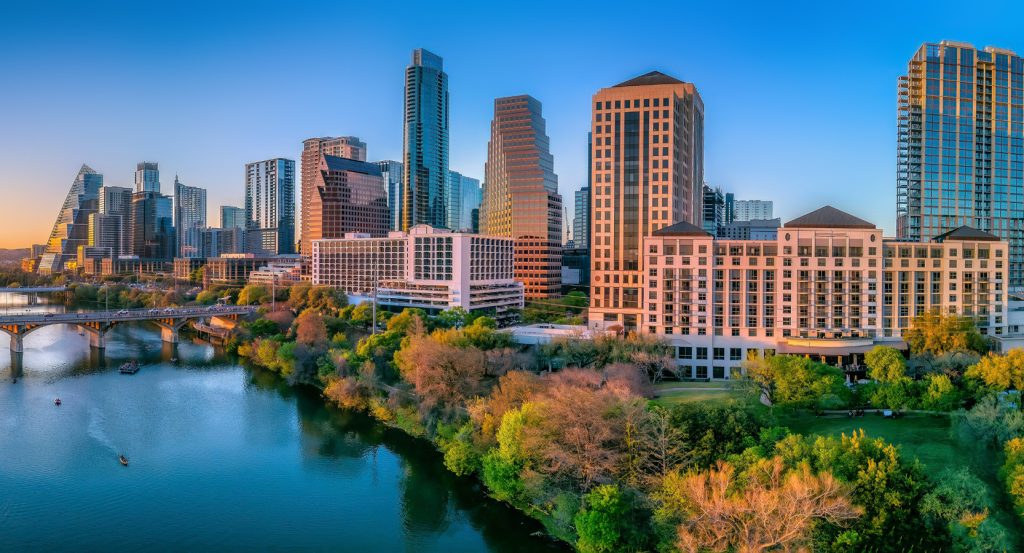
Lost Creek Boulevard is an elegant corridor where Lost Creek's Hill Country landscape, residential character, environmental stewardship, and panoramic scenery create one of western Austin's most captivating drives.
Running through Lost Creek between Barton Creek and West Lake Hills, the boulevard winds across limestone ridges, wooded neighborhoods, protected greenbelts, and recreational landscapes that showcase the rugged beauty of the eastern Texas Hill Country. Each successive stretch reveals mature live oaks, native limestone outcrops, winding topography, expansive canyon views, and thoughtfully integrated residential architecture that reinforce the boulevard's unmistakable identity. The defining moment arrives as Lost Creek Boulevard demonstrates how sensitive development, ecological preservation, and Hill Country character continue shaping one of western Austin's defining corridors. The result is an experience defined by natural elegance, environmental richness, and one of Lost Creek's most rewarding streets.
What you should know about Lost Creek Boulevard.
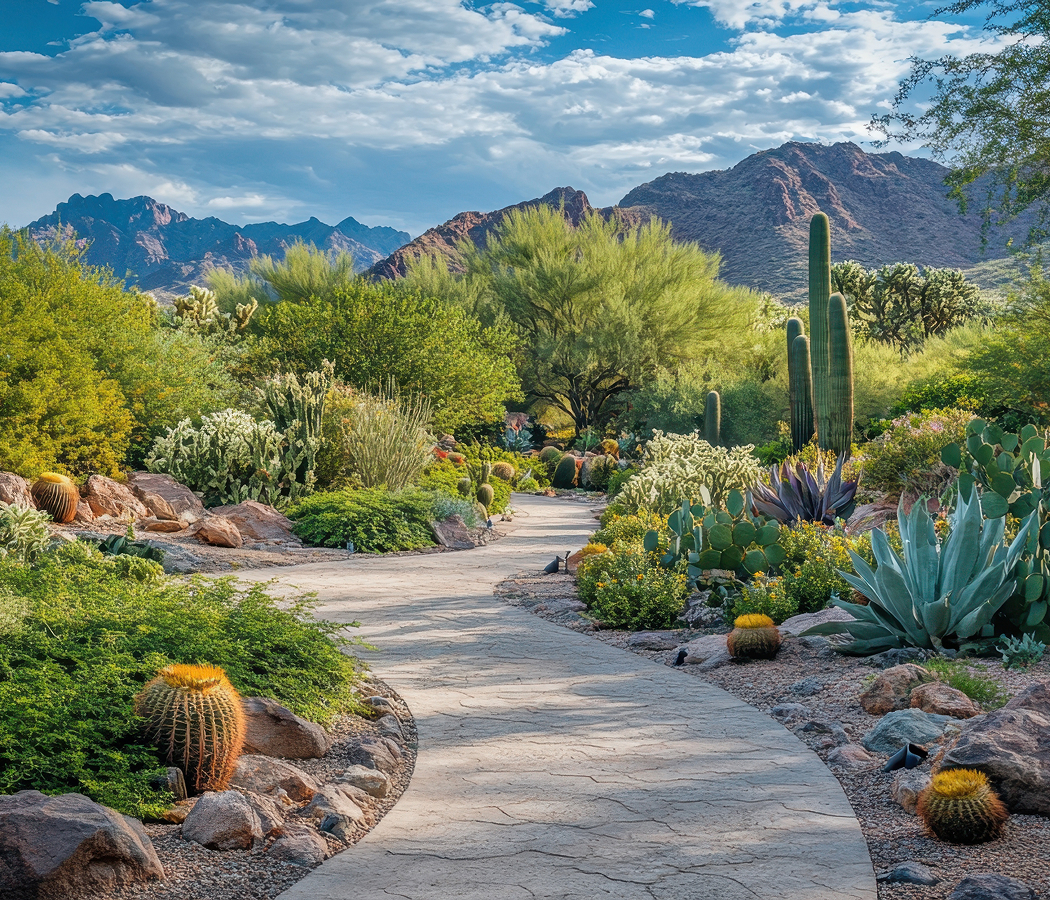
Lost Creek Boulevard is best known for serving the Lost Creek community, a master-planned neighborhood developed primarily during the 1970s and 1980s as western Austin expanded into the eastern edge of the Balcones Canyonlands. The corridor traverses terrain formed upon the Edwards Plateau, where Cretaceous limestone, rugged hillsides, seasonal drainages, shallow canyons, and thin calcareous soils have shaped both the area's distinctive ecology and its carefully adapted residential development. Portions of the surrounding landscape lie within the Edwards Aquifer Recharge Zone, requiring stormwater management practices, water-quality protections, and environmentally sensitive construction techniques designed to preserve groundwater resources feeding Central Texas springs. Residential architecture includes custom limestone homes, Hill Country contemporary residences, native stone retaining walls, terraced landscapes, and streets intentionally aligned with the area's dramatic topography rather than imposing a conventional urban grid. Mature Ashe juniper, live oak, cedar elm, Texas madrone, mountain laurel, agarita, sotol, prickly pear cactus, and native grasses support habitat for songbirds, pollinators, reptiles, and mammals characteristic of the eastern Hill Country. Collectively, the corridor's geological setting, environmental protections, residential planning, native ecology, and topographic character establish Lost Creek Boulevard as one of western Austin's defining scenic corridors.
The nearby Lost Creek Municipal Utility District, created in 1974, continues overseeing water, wastewater, drainage, and related infrastructure supporting long-term community development while protecting environmentally sensitive landscapes. Westlake Fire Department Station 301, serving Lost Creek and neighboring communities, provides emergency response across challenging Hill Country terrain while maintaining specialized wildland firefighting capabilities suited to the region's vegetation and topography. The surrounding Balcones Fault Zone remains one of Central Texas's defining geological features, influencing local elevation changes, spring formation, limestone exposures, groundwater movement, and the dramatic escarpments that distinguish western Austin. Together, these public institutions, infrastructure systems, and geological processes demonstrate how Lost Creek Boulevard reflects a corridor where environmental stewardship, resilient infrastructure, and natural history continue reinforcing one another.
How to fold Lost Creek Boulevard into your trip.
Lost Creek Boulevard works as an exploration of western Austin's Hill Country scenery, outdoor recreation, and elevated landscapes.
Begin at Lost Creek Country Club, where rolling fairways, mature oak groves, and sweeping Hill Country vistas introduce the landscape that defines the boulevard while establishing the area's longstanding recreational character. Continue to Barton Creek Greenbelt - Gus Fruh Access, where limestone cliffs, shaded hiking trails, and clear creek crossings deepen the experience by revealing the natural systems that shape the surrounding terrain beyond the neighborhood streets. Conclude at Wild Basin Wilderness Preserve, where protected canyon landscapes, native wildlife, and interpretive trails provide the resonant payoff by immersing the experience within one of Austin's most significant preserved Hill Country ecosystems. The progression moves naturally from cultivated Hill Country landscapes to rugged creek environments before culminating in a protected preserve that reveals the ecological foundation underpinning Lost Creek's enduring character.
Where your story begins.
Foresyte Travel reveals places that feel extraordinary long before you arrive.
Experience premium editorial crafted for luxury travelers.