Why Marae Fare-Opu matters.
Marae Fare-Opu is where Bora Bora's spirit takes form, an open-air temple etched into the island's living memory.
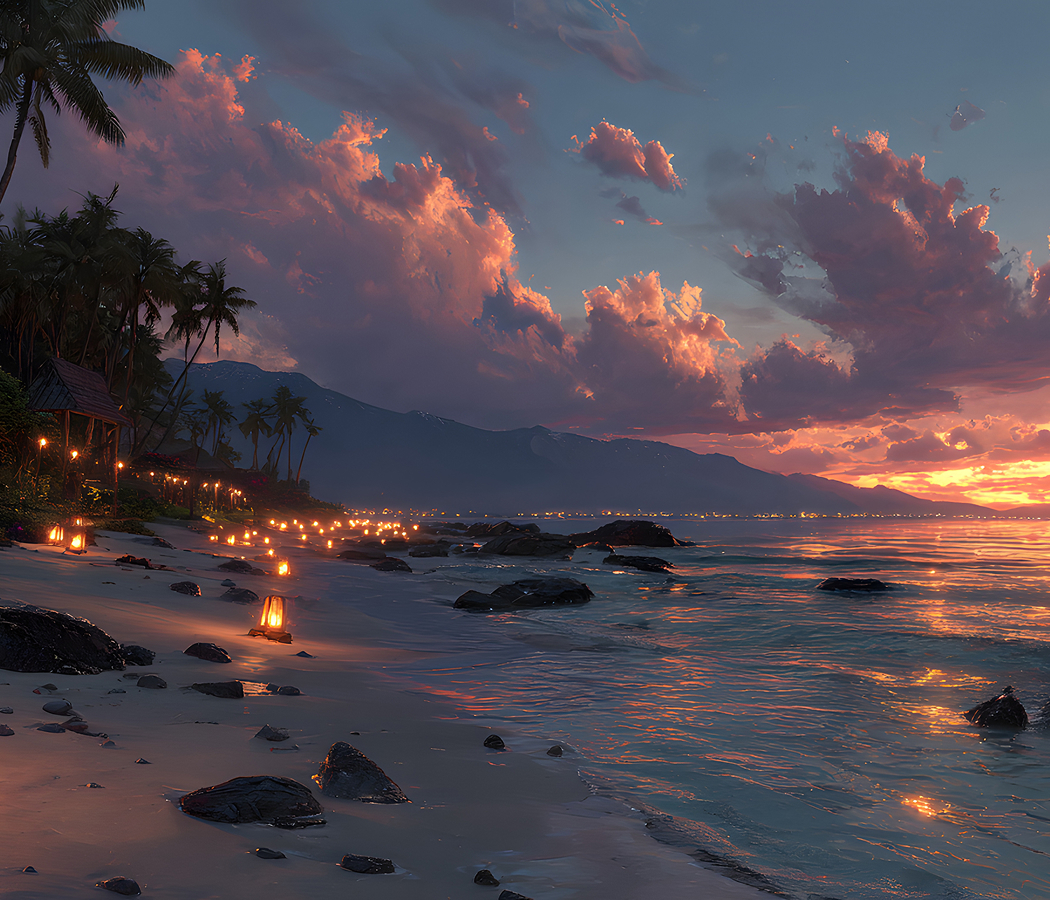
Set along the quiet western shore near the Lagoonarium, this sacred site feels both hidden and infinite. The path leading there passes through wild hibiscus and ironwood trees, the air thick with the scent of salt and earth. When you arrive, time seems to bend, the coral stones lie low and quiet, warmed by centuries of sunlight. The lagoon shimmers nearby, its turquoise glow brushing against the ancient gray of the temple walls. It's a contrast so profound it feels intentional, nature and divinity meeting halfway. This was once the ceremonial heart of Bora Bora, where chiefs stood barefoot on coral and spoke to the gods of the sea. Even now, the silence carries weight. You don't just see Marae Fare-Opu, you feel it, like a pulse beneath the ground. It's a reminder that long before the island became synonymous with romance, it was already sacred.
What defines Marae Fare-Opu.
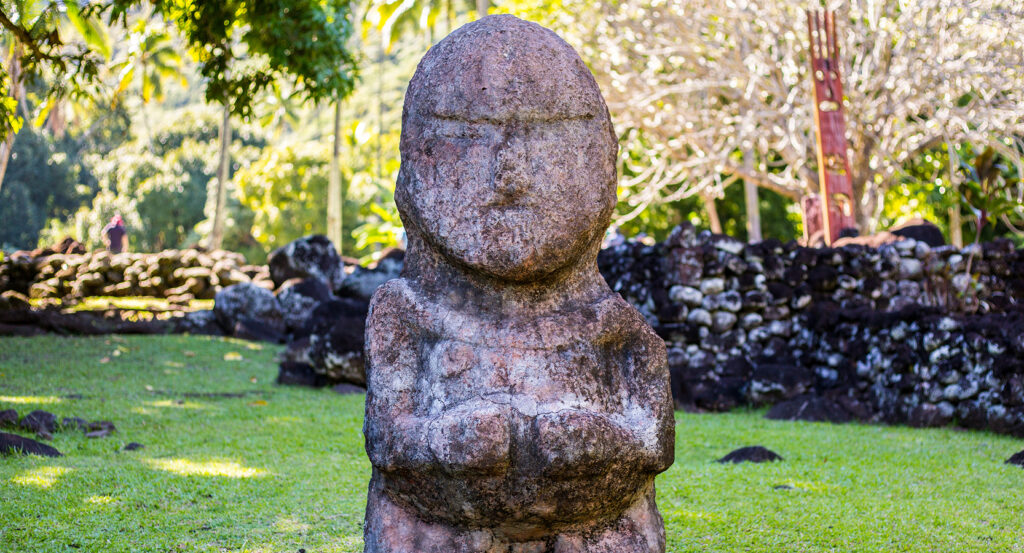
Marae Fare-Opu is one of Bora Bora's most significant archaeological treasures, known for its ancient petroglyphs that reveal how Polynesians viewed the world and their gods.
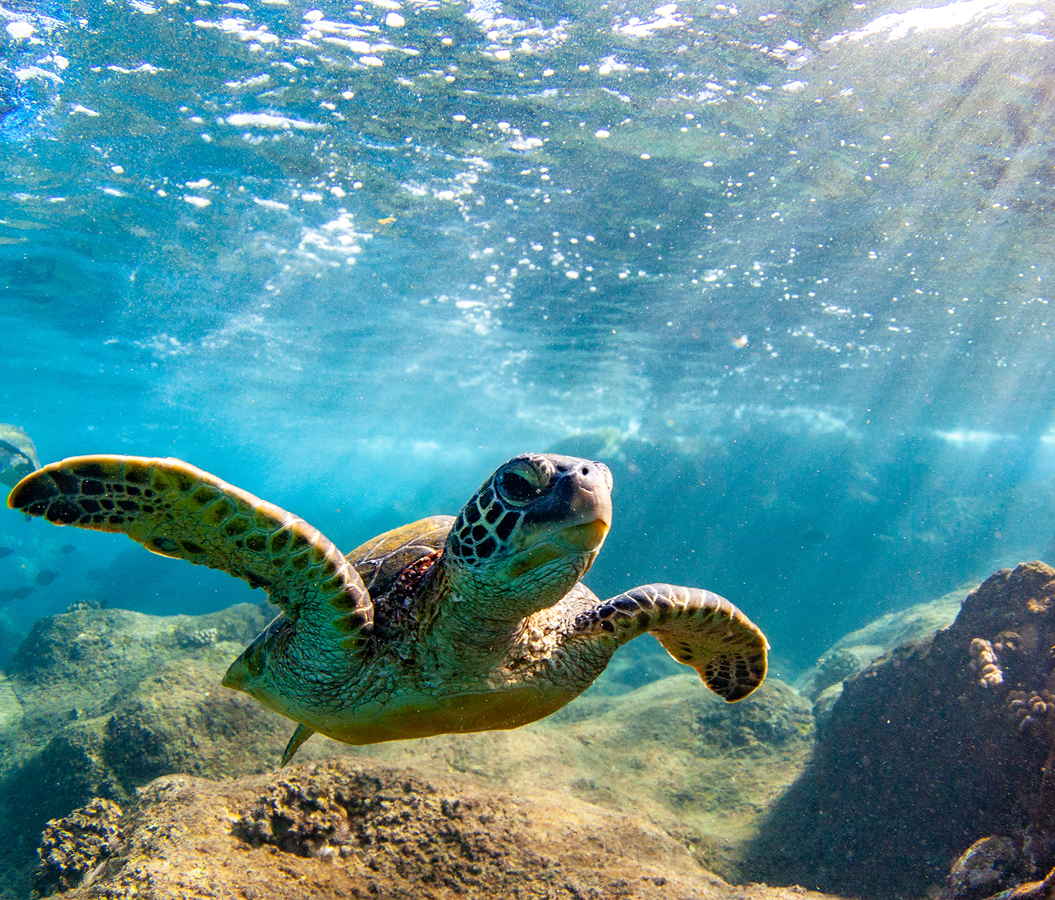
Dating back hundreds of years, the site served as a ceremonial complex for Bora Bora's ariki, high chiefs who presided over rituals of fertility, harvest, and navigation. Carved into the coral stones are depictions of turtles, symbols of protection, longevity, and the sea's eternal cycle. These carvings are rare throughout French Polynesia, and Fare Opu's collection remains among the best preserved. The turtle motif held deep cultural significance: each line and curve carried meaning, representing the bond between humans and the ocean that sustained them. Priests would interpret these symbols like scripture, reading signs of good fortune or warning in the marks. The temple's design also reflects astronomical alignment, the stones positioned toward the setting sun at the solstice, connecting celestial rhythm to daily ritual. When European explorers arrived in the 18th century, they marveled at Bora Bora's navigational knowledge and spiritual sophistication, much of it rooted in sacred sites like Fare Opu. Though the marae fell silent after the missionary period, its mana, the life force believed to inhabit sacred spaces, remains unmistakable. To stand among those carvings is to feel the continuity of life, a link between the island's ancient pulse and its modern grace.
How Marae Fare-Opu fits.
Visiting Marae Fare-Opu is a journey inward, one best taken slowly, with reverence.
The site is accessible by boat or through guided cultural excursions that often combine snorkeling near the Lagoonarium with a stop onshore. Go early in the morning or late in the afternoon, when the light softens and the carvings on the stones become visible in gentle relief. Bring no expectations, only respect. There are no gates, no ticket counters, only the hum of cicadas and the hush of the lagoon nearby. Walk barefoot if you feel drawn to, the earth is cool beneath the trees, the stones smooth from centuries of touch. Take time to study the carvings up close, tracing their outlines with your eyes but not your hands; they're fragile remnants of a civilization that measured time by tides and stars. Afterward, linger by the shore and look out across the lagoon toward Mount Otemanu. The view from here is extraordinary, the island's sacred mountain rising in silent discussion with the sacred stones at your feet. If you listen long enough, the two seem to speak to each other, one born from fire, the other shaped by faith. Marae Fare-Opu is not just a site to visit; it's a story to feel, a bridge between creation and continuity, reminding every traveler that paradise began not in water or sand, but in spirit.
Where your story begins.
Foresyte Travel reveals places that feel extraordinary long before you arrive.
Enjoy editorial crafted for luxury travelers.
Foresyte may earn a commission when you book.