Why Middle Fiskville Road matters.
Middle Fiskville Road is a distinctive corridor where St. Johns' longstanding community character, educational institutions, multicultural identity, and steady reinvestment create one of North Central Austin's most engaging streets.
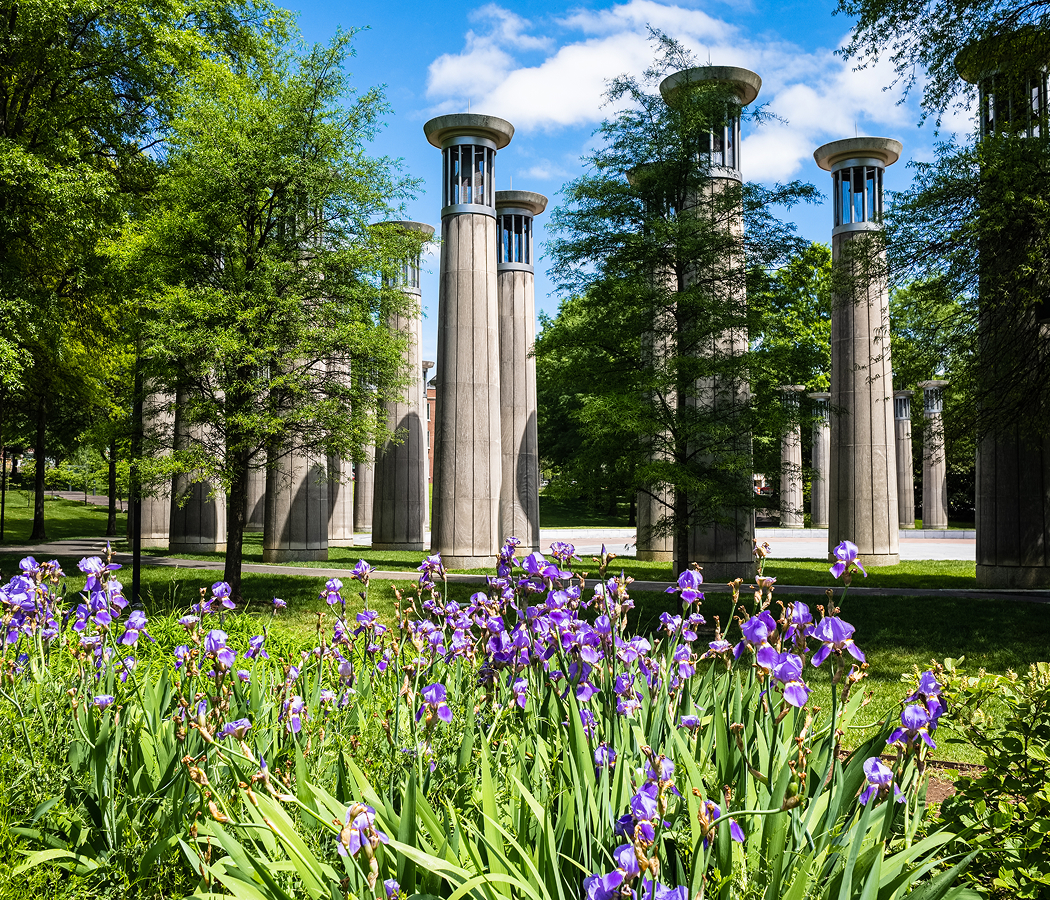
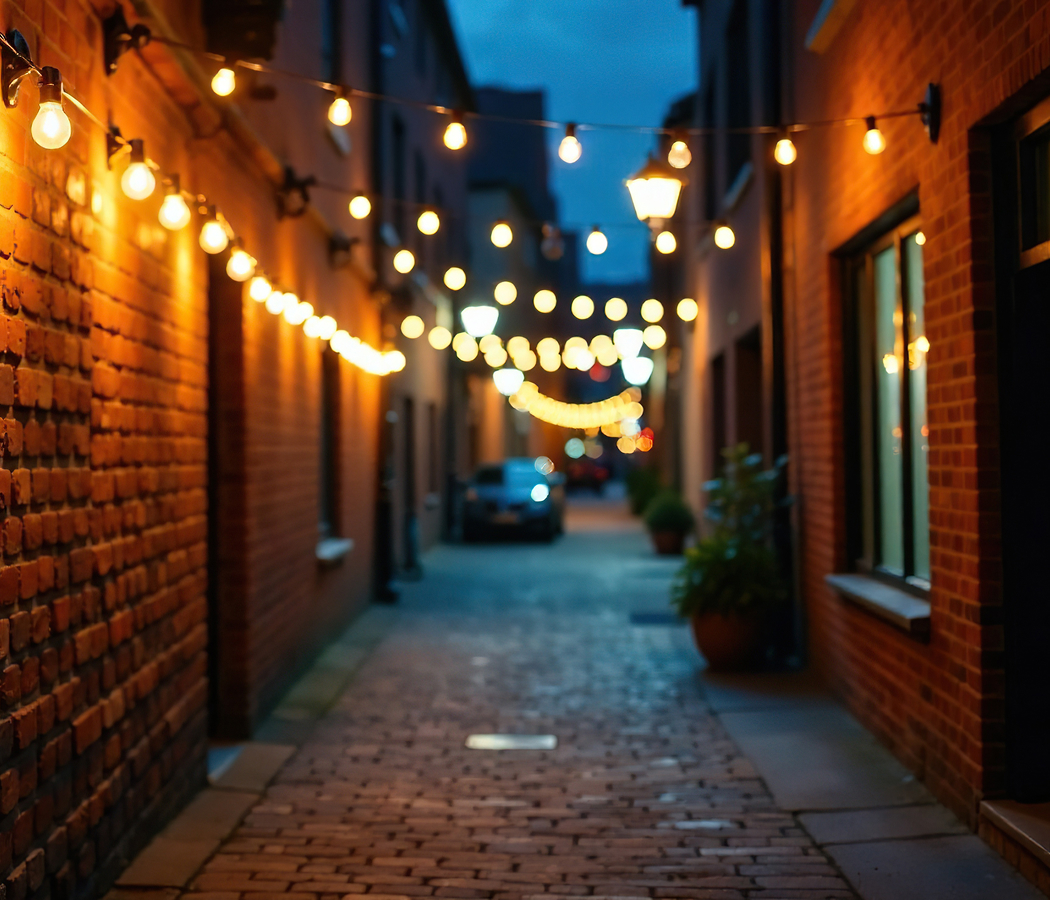
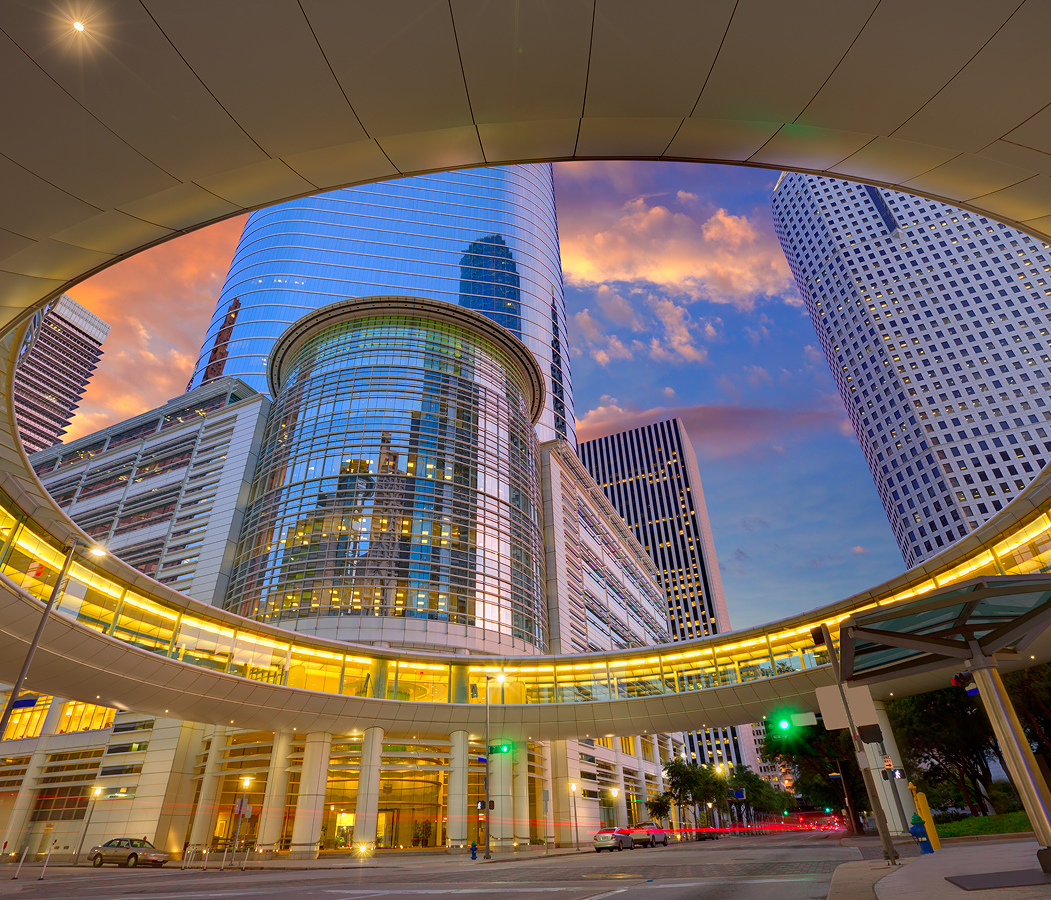
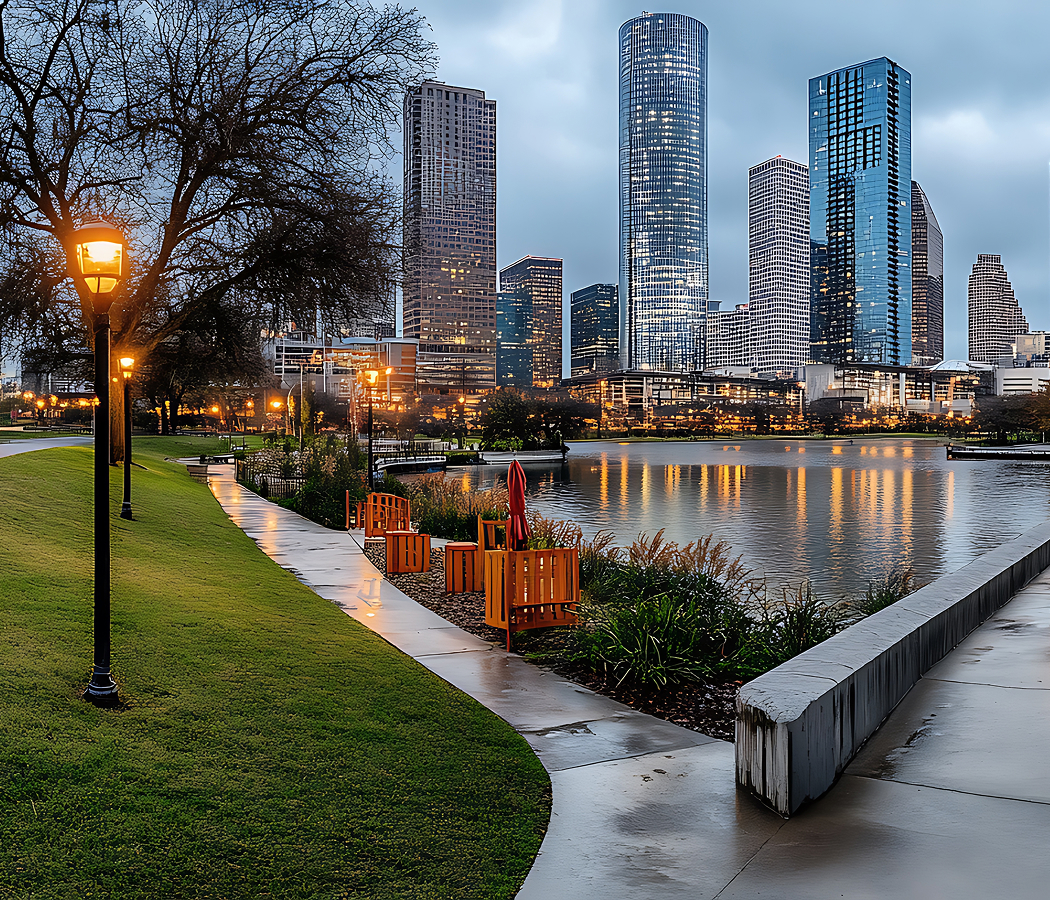
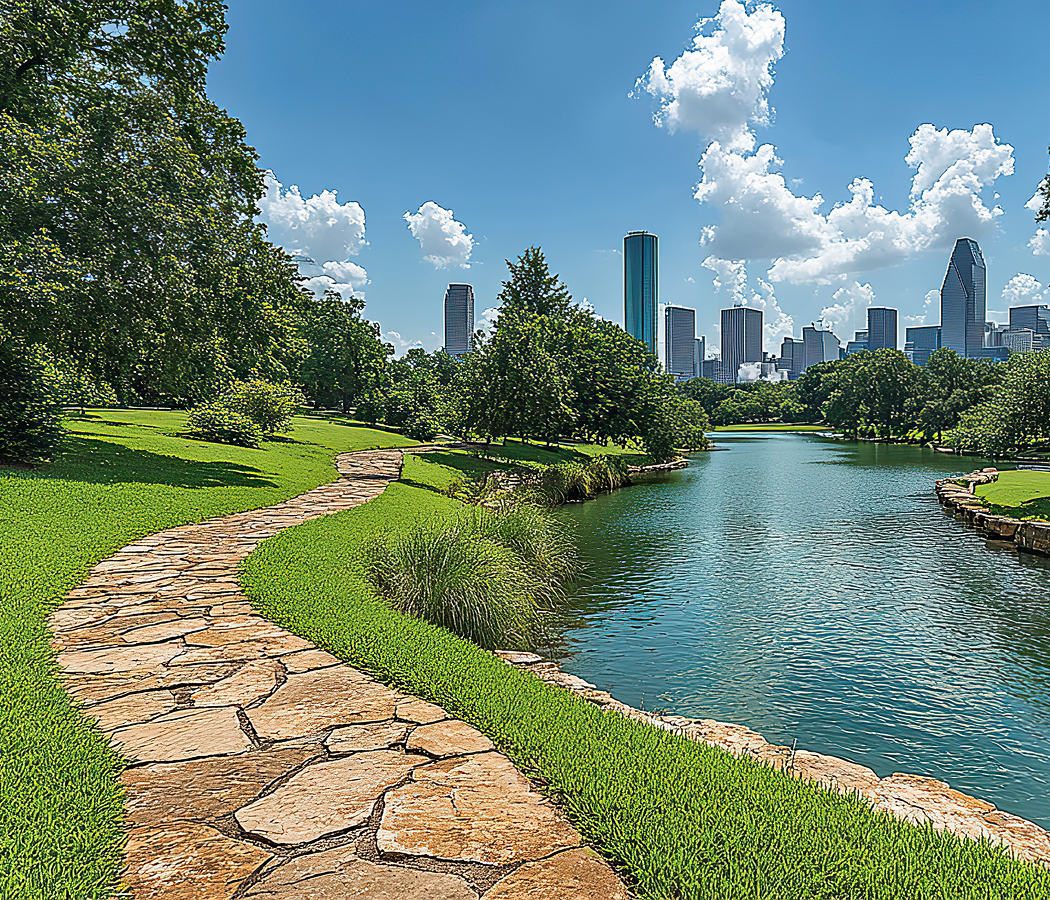
Running through St. Johns between Highland and North Loop, the corridor connects established residential neighborhoods, educational campuses, local businesses, civic facilities, and green spaces that reflect more than a century of North Austin's evolution. Each successive stretch reveals mature live oaks, neighborhood storefronts, mid-century commercial buildings, shaded sidewalks, and evolving streetscapes that reinforce the corridor's unmistakable identity. The defining moment arrives as Middle Fiskville Road demonstrates how neighborhood continuity, educational investment, and thoughtful redevelopment continue shaping one of Austin's defining corridors. The result is an experience defined by authenticity, accessibility, and one of St. Johns' most rewarding streets.
What defines Middle Fiskville Road.
Middle Fiskville Road is best known for following part of the historic route connecting Fiskville, an agricultural settlement established during the 1870s, with Central Austin before the community was gradually absorbed by the city's northward expansion during the twentieth century. The corridor takes its name from George Fisk, whose family operated one of the area's earliest farms, while the surrounding landscape evolved from rural acreage into residential subdivisions following the extension of electric streetcar service and later highway improvements that encouraged sustained growth across North Austin. Nearby development accelerated after completion of Interstate 35 through Austin during the 1960s, bringing new commercial investment, apartment communities, neighborhood shopping centers, and public infrastructure while preserving portions of the area's earlier street network. The corridor also benefits from proximity to Austin Community College's Highland Campus, created through the adaptive redevelopment of the former Highland Mall, which opened in 1971 before its transformation into a higher education campus beginning in 2014. Mature live oak, cedar elm, pecan, Texas ash, Mexican sycamore, and native prairie plantings contribute to an established urban canopy that reflects continuing environmental improvements throughout the district. Collectively, the corridor's rural origins, transportation history, educational investment, architectural evolution, and environmental character establish Middle Fiskville Road as one of St. Johns' defining neighborhood corridors.
The nearby Austin State Hospital, established in 1856 as the Texas State Lunatic Asylum, remains the oldest continuously operating psychiatric hospital in Texas and occupies one of the state's most historically significant institutional campuses. Nearby, the North Austin YMCA, serving surrounding neighborhoods for decades, provides youth athletics, wellness programming, childcare, and community services that strengthen civic life beyond the corridor itself. The St. Johns Neighborhood Association, organized to advocate for preservation, transportation improvements, housing, and community engagement, continues supporting long-term neighborhood stewardship as redevelopment expands across North Central Austin. Together, these historic institutions, community organizations, and civic resources demonstrate how Middle Fiskville Road reflects a corridor where public investment, neighborhood leadership, and longstanding community character continue reinforcing one another.
How Middle Fiskville Road fits.
Middle Fiskville Road works as an exploration of North Central Austin's educational transformation, neighborhood character, and local history.
Begin at Austin Community College Highland Campus, where the adaptive transformation of a former regional shopping mall into a modern higher education center introduces the innovative redevelopment that has reshaped the surrounding district while establishing the corridor's contemporary identity. Continue to Highland Collective, where independent businesses, creative workspaces, public gathering areas, and neighborhood-oriented retail expand the experience by illustrating how new investment has complemented the area's established character. Conclude at Elisabet Ney Museum, where the preserved nineteenth-century studio of the renowned sculptor provides the historical payoff by connecting North Austin's evolving neighborhoods with one of the city's earliest cultural landmarks. The progression moves naturally from educational reinvention to community vitality before culminating in a site that preserves Austin's artistic and historical legacy.
Where your story begins.
Foresyte Travel reveals places that feel extraordinary long before you arrive.
Enjoy editorial crafted for luxury travelers.
Foresyte may earn a commission when you book.