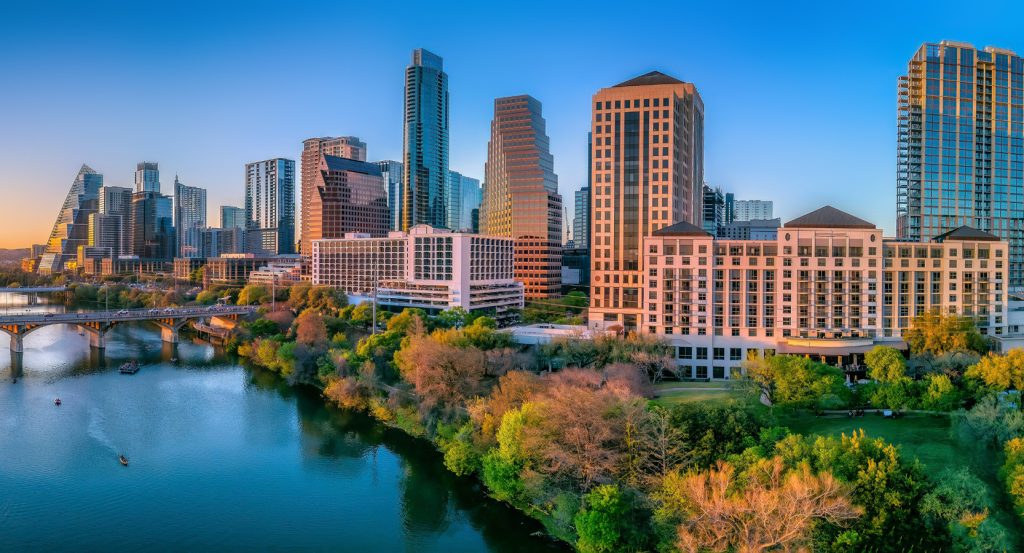
Why Monroe Street matters.
Monroe Street is a graceful corridor where Bouldin Creek's creative spirit, architectural heritage, neighborhood character, and independent culture create one of South Austin's most engaging streets.
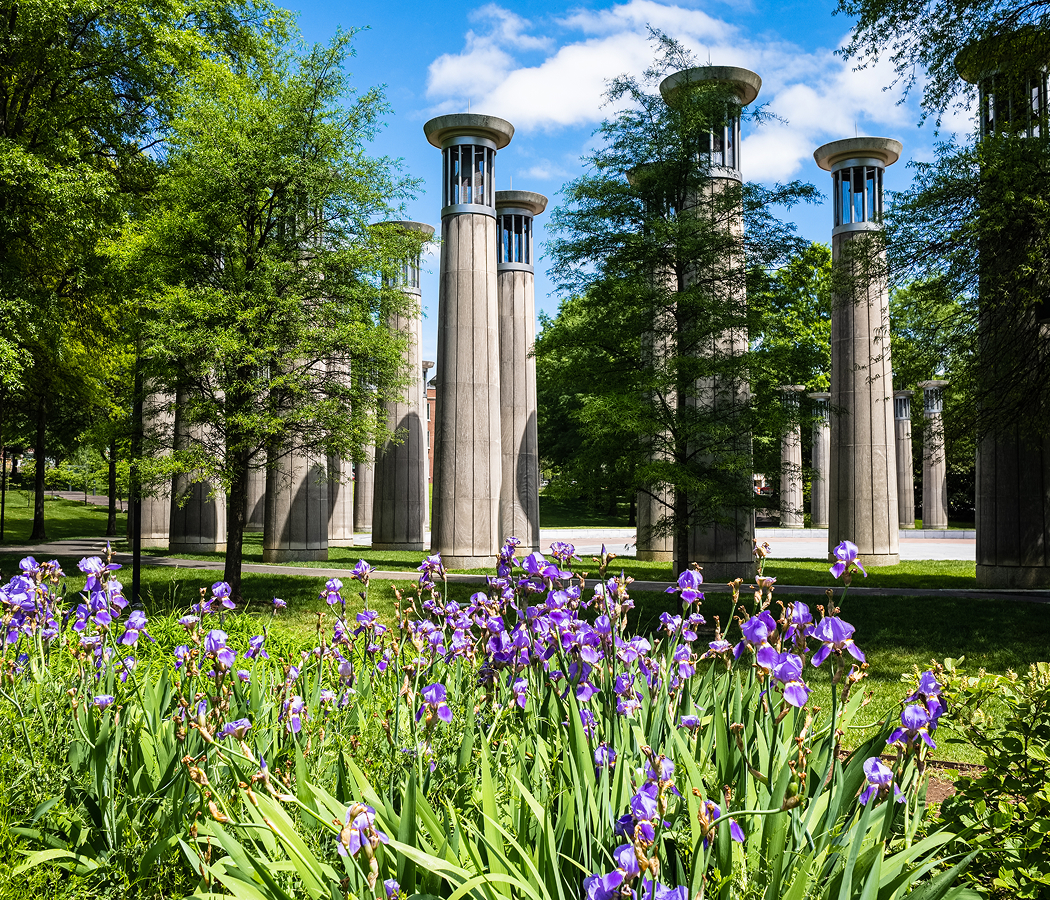
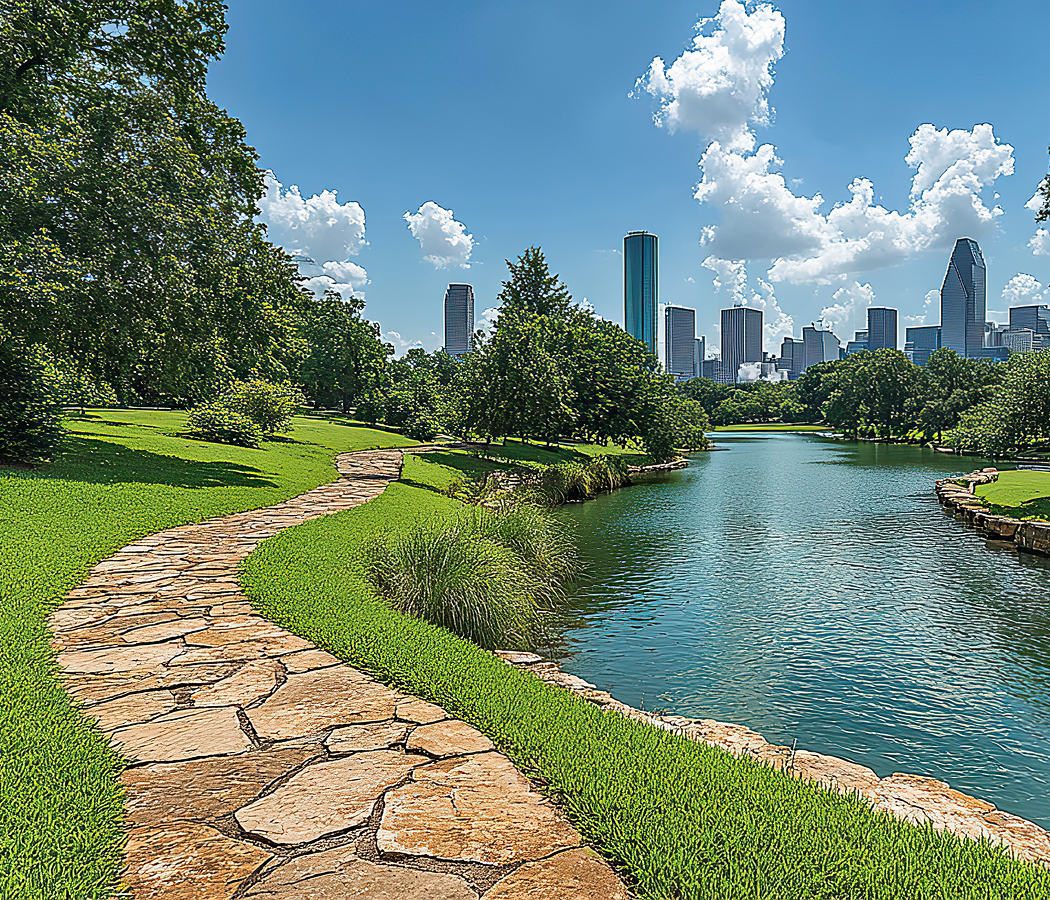
Running through Bouldin Creek between South Lamar and South Congress, the corridor connects historic homes, neighborhood parks, local businesses, tree-lined residential blocks, and civic spaces that reflect more than a century of South Austin's evolution. Each successive stretch reveals mature live oaks, restored cottages, contemporary infill architecture, shaded sidewalks, and locally rooted gathering places that reinforce the street's unmistakable character. The defining moment arrives as Monroe Street demonstrates how preservation, thoughtful reinvestment, and community character continue shaping one of South Austin's defining corridors. The result is an experience defined by authenticity, architectural richness, and one of Bouldin Creek's most rewarding streets.
What defines Monroe Street.
Monroe Street is best known for traversing Bouldin Creek, a neighborhood that expanded rapidly following construction of the Congress Avenue Bridge in 1910, encouraging residential development south of the Colorado River through new subdivisions, streetcar connections, and neighborhood commerce. The corridor developed through successive periods of growth represented by Craftsman bungalows, American Foursquare houses, Tudor Revival residences, Mid-Century homes, contemporary infill projects, limestone retaining walls, and narrow residential lots that collectively document more than a century of architectural change. The surrounding area takes its name from Rev. James Bouldin, an early Methodist minister and nineteenth-century landowner whose property helped define the community's earliest boundaries before annexation into the City of Austin during the early twentieth century. Nearby improvements associated with the South Central Waterfront and continued investment in bicycle infrastructure, traffic-calming measures, urban forestry, and pedestrian connectivity have reinforced Monroe Street's role within one of Austin's most walkable residential districts. Native live oak, cedar elm, pecan, Texas red oak, Mexican sycamore, and mountain laurel contribute to a mature urban canopy that distinguishes the corridor throughout the year. Collectively, the corridor's transportation history, architectural diversity, neighborhood origins, environmental character, and sustained reinvestment establish Monroe Street as one of Bouldin Creek's defining neighborhood corridors.
Adjacent to the corridor, Becker Elementary School, established in 1916, reflects the area's early residential expansion and continues serving generations of families from surrounding South Austin neighborhoods. Nearby, the South Austin Neighborhood Association, founded in 1975, has played a significant role in advocating for historic preservation, transportation improvements, urban forestry, and compatible neighborhood development throughout the district. The nearby Bouldin Creek itself remains a defining natural feature within the Colorado River watershed, supporting riparian habitat, stormwater conveyance, and restoration projects that strengthen ecological resilience across South Austin. Together, these educational institutions, civic organizations, and environmental resources demonstrate how Monroe Street reflects a corridor where neighborhood stewardship, public investment, and natural systems continue reinforcing one another.
How Monroe Street fits.
Monroe Street works as an exploration of South Austin's neighborhood character, architectural heritage, and creative identity.
Begin at Nicholas Dawson Neighborhood Park, where shaded green space, mature trees, and neighborhood gathering areas introduce the relaxed residential atmosphere that defines Monroe Street while providing an ideal starting point for exploring Bouldin Creek. Continue to South Congress Avenue, where independent boutiques, locally owned restaurants, galleries, and celebrated streetscapes expand the experience by showcasing the creative energy that has long distinguished this part of Austin. Conclude at The Long Center for the Performing Arts, where acclaimed performances, riverfront architecture, and sweeping skyline views provide the historical and cultural payoff by illustrating South Austin's enduring relationship with the city's artistic life. The progression moves naturally from neighborhood tranquility to creative commerce before culminating in one of Austin's premier cultural institutions.
Where your story begins.
Foresyte Travel reveals places that feel extraordinary long before you arrive.
Enjoy editorial crafted for luxury travelers.
Foresyte may earn a commission when you book.