
Why National Museum of Ireland, Merrion Street matters.
Natural History Museum on Merrion Street, affectionately known as the Dead Zoo, is one of Dublin's most enchanting time capsules, where science and nostalgia coexist in perfect stillness.
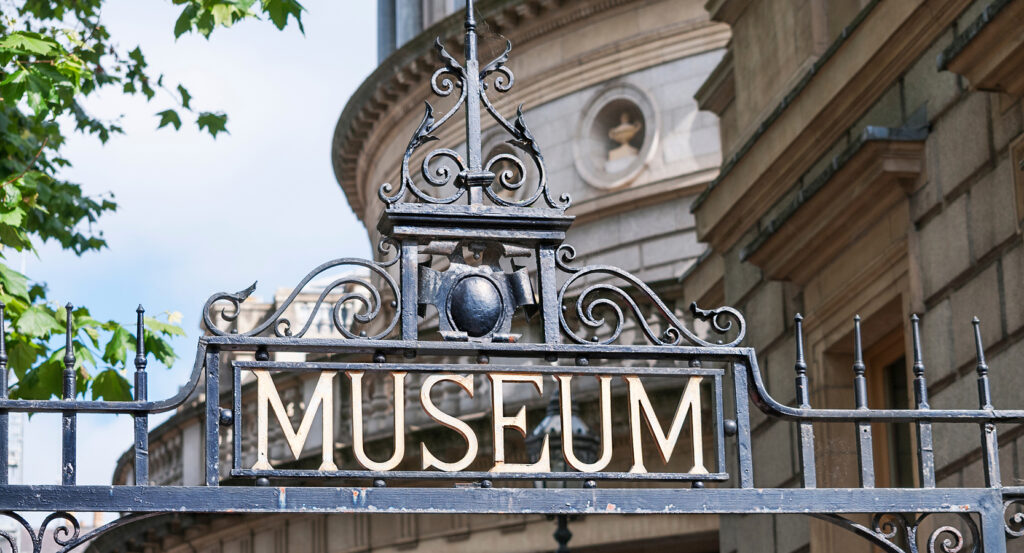
Stepping through its grand stone façade feels like entering another century: mahogany cabinets gleam under high glass ceilings, and thousands of preserved animals stand frozen in a tableau of life's diversity. Founded in 1857, the museum remains almost unchanged in structure and spirit, preserving the Victorian fascination with the natural world in its purest form. There's something reverent about the stillness here, the quiet rows of antlers, the faded smell of varnish and taxidermy, the handwritten labels that have outlasted empires. The museum's layout, symmetrical and meticulous, mirrors the 19th-century belief that order was the key to understanding nature. Yet beneath that formality, there's wonder, Ireland's wildlife, from red deer to basking sharks, presented not as curiosities but as members of the nation's living heritage. This is Dublin's cabinet of miracles, a place where children stare upward in awe and adults rediscover the thrill of discovery itself.
What defines National Museum of Ireland.
The Dead Zoo is far more than a preserved relic of Victorian science, it's a love letter to Ireland's relationship with the natural world.
The collection contains over two million specimens, only a fraction of which are on display. Its history traces back to the Royal Dublin Society, which began collecting natural specimens in the late 18th century as part of its mission to foster learning and pride in Ireland's environment. When the current Merrion Street building opened, it became an educational wonderland for a generation of explorers, scholars, and dreamers. Every detail, from the ironwork balconies to the spiral staircases, was designed for both beauty and function, allowing scholars to study the specimens up close. The museum's two main floors divide the world neatly in two: the Irish Room below, showcasing the nation's fauna in natural poses, and the World Collection above, featuring elephants, tigers, and exotic birds from colonial-era expeditions. The giant whale skeleton suspended from the ceiling has become its unofficial guardian, a reminder that nature's scale dwarfs even the grandest architecture. Though conservation efforts now limit physical access to the upper galleries, restoration projects are carefully modernizing the space. Few places embody continuity so gracefully, a museum both frozen in time and fiercely alive.
How National Museum of Ireland fits.
Visiting the Natural History Museum is less about ticking off an attraction and more about entering a quiet discussion with time.
Plan the visit during the late morning when sunlight filters through the roof, illuminating the glass cases in golden tones. Start in the Irish Fauna Gallery, where the red fox, hare, and giant Irish deer, extinct but eternal, remind you of the island's ancient wilderness. Move upward to the Mammal Hall, where the global collection unfolds in taxonomic order, from Africa's lions to Antarctica's seals, a 19th-century map of life rendered in fur and bone. Take time to appreciate the handwritten exhibit cards, some more than 150 years old, still intact in their original script. Children will love spotting the “hidden” animals tucked into side displays, while adults often find themselves lost in the museum's timeless calm. Before leaving, step outside into Merrion Square Park, where living birds and rustling leaves offer the perfect counterpoint to the preserved stillness inside. The Natural History Museum isn't just about nature, it's about remembering the moment we first tried to understand it, and realizing how miraculous it still is.
Where your story begins.
Foresyte Travel reveals places that feel extraordinary long before you arrive.
Enjoy editorial crafted for luxury travelers.
Foresyte may earn a commission when you book.














































































































