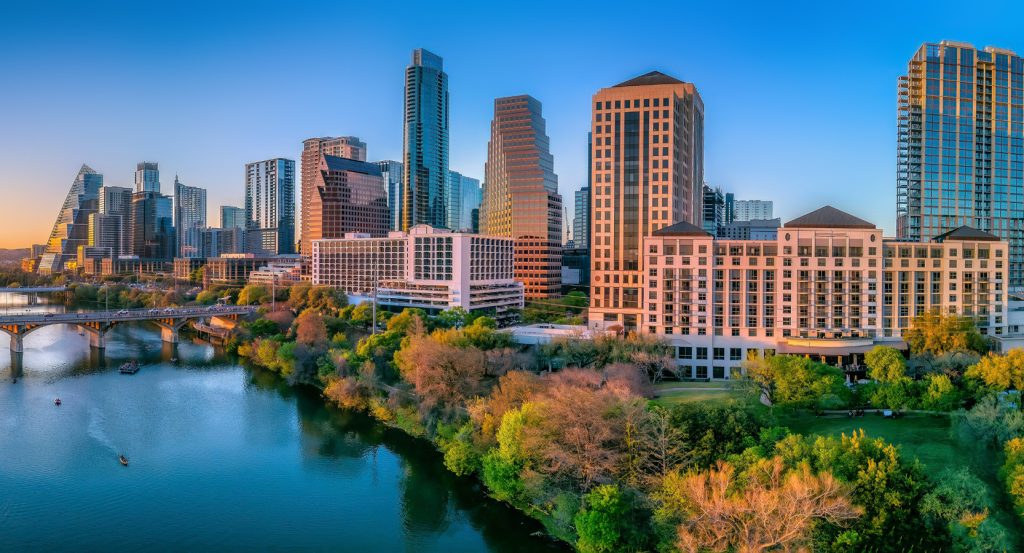
Why Nile Street matters.
Nile Street is a quiet corridor where East Cesar Chavez's historic character, creative energy, neighborhood resilience, and architectural legacy create one of East Austin's most engaging streets.
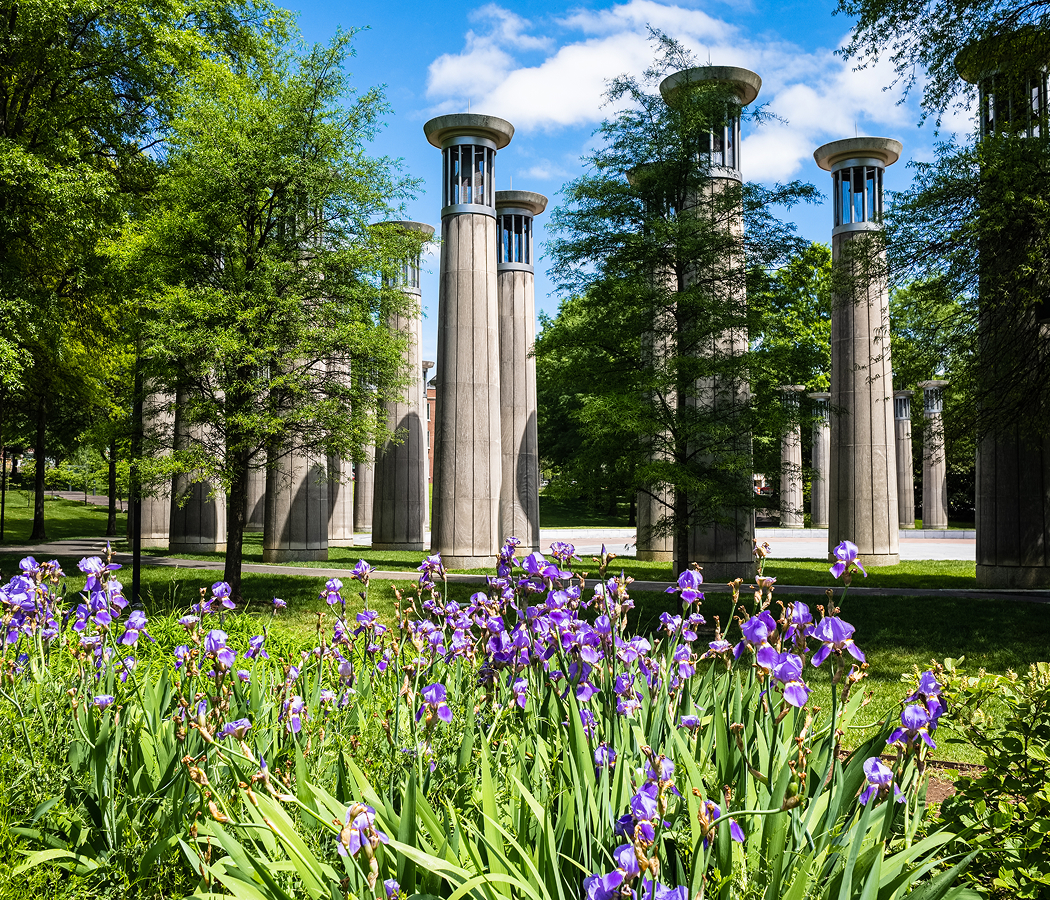
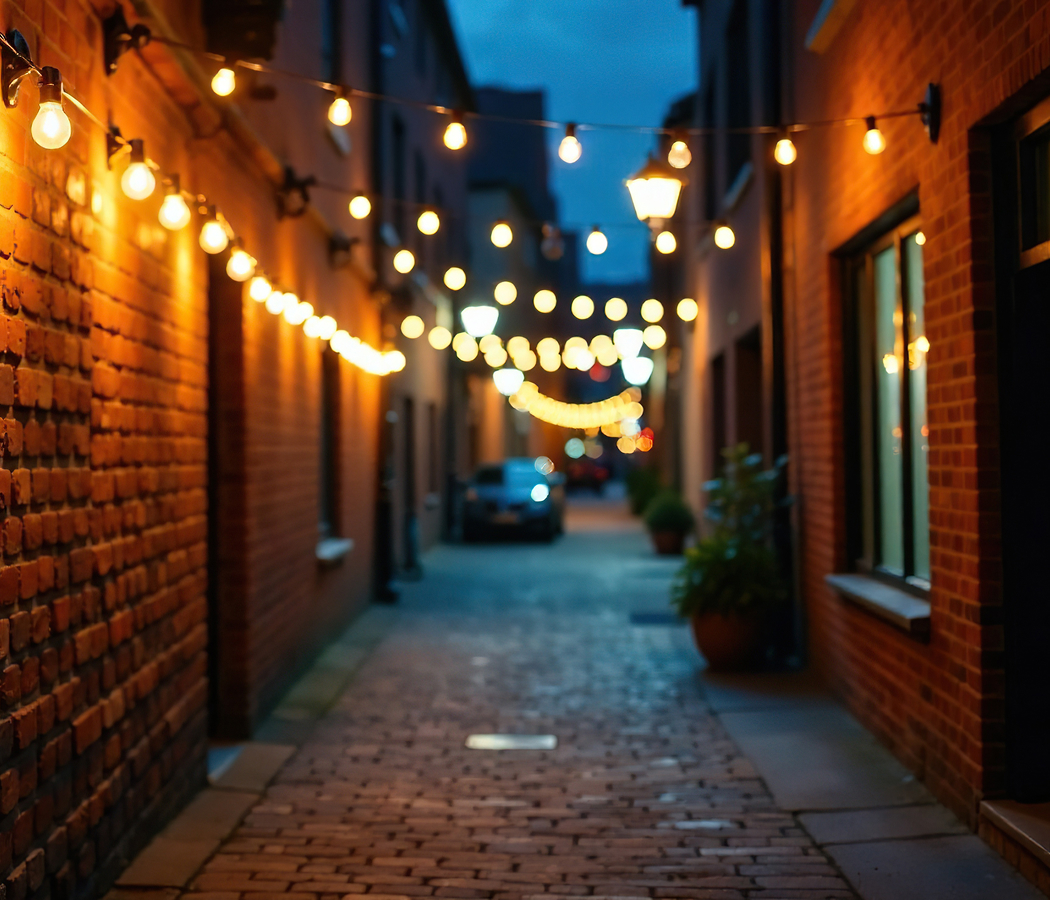
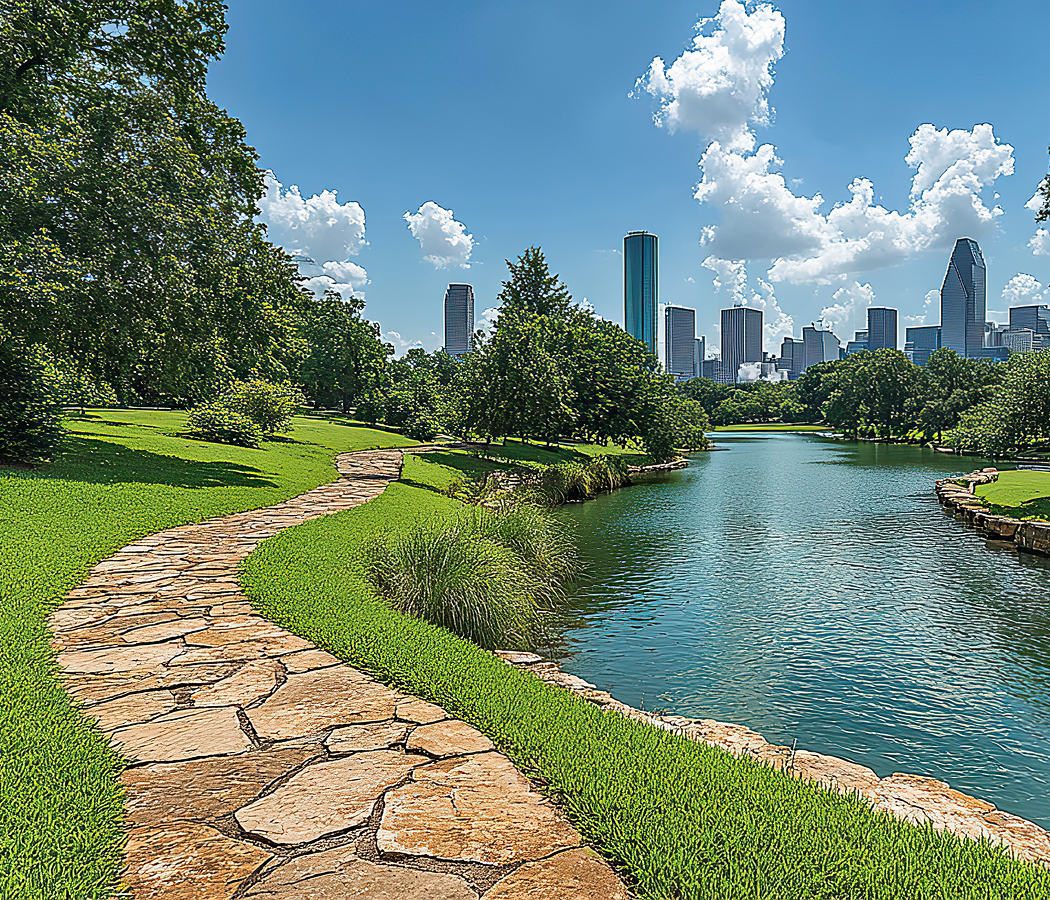
Running through East Cesar Chavez between Holly and Govalle, the corridor connects established residential blocks, locally owned businesses, cultural institutions, neighborhood parks, and the Colorado River corridor that reflect more than a century of East Austin's evolution. Each successive stretch reveals mature pecan trees, historic cottages, shaded sidewalks, colorful murals, and restored commercial buildings that reinforce the street's unmistakable character. The defining moment arrives as Nile Street demonstrates how historic preservation, neighborhood investment, and cultural continuity continue shaping one of East Austin's defining corridors. The result is an experience defined by local authenticity, creative vitality, and one of East Cesar Chavez's most rewarding streets.
What defines Nile Street.
Nile Street is best known for traversing the historic East Cesar Chavez neighborhood, where residential growth accelerated during the 1880s and 1890s following subdivision of farmland east of Downtown and expansion of streetcar service that connected the district with the city's commercial core. The corridor developed alongside a diverse collection of Craftsman bungalows, Queen Anne cottages, style worker housing, early masonry commercial buildings, and modest postwar residences that collectively document more than a century of architectural evolution within one of Austin's oldest neighborhoods. Nearby institutions include Our Lady of Guadalupe Catholic Church, established in 1907, whose present sanctuary was completed in 1929, and the Mexic-Arte Museum's long-standing educational partnerships that have reinforced the area's Mexican American cultural character through exhibitions and public programming. The corridor also lies within easy reach of Lady Bird Lake, renamed in 2007, and the Ann and Roy Butler Hike-and-Bike Trail, a continuous 10-mile shared-use trail encircling the reservoir while linking East Austin with downtown and surrounding neighborhoods. Native live oak, pecan, cedar elm, Mexican sycamore, Texas mountain laurel, inland sea oats, and riparian vegetation continue defining the corridor's landscape while reflecting its relationship with the Colorado River watershed. Collectively, the corridor's nineteenth-century origins, architectural diversity, cultural institutions, transportation history, and environmental setting establish Nile Street as one of East Cesar Chavez's defining neighborhood corridors.
Adjacent to the corridor, the Plaza Saltillo redevelopment introduced a transit-oriented district following the opening of CapMetro Red Line service in 2010, strengthening regional rail access while encouraging mixed-use investment around the station. Nearby, the Lorenzo de Zavala State Archives and Library Building, completed in 1959, preserves millions of historically significant state records while serving as the headquarters of the Texas State Library and Archives Commission. The nearby Oakwood Cemetery, established in 1839, preserves the graves of governors, legislators, military officers, civic leaders, and early residents whose lives shaped the history of Austin and the Republic of Texas. Together, these transportation investments, archival institutions, and historic landscapes demonstrate how Nile Street reflects a corridor where preservation, public history, and neighborhood evolution continue reinforcing one another.
How Nile Street fits.
Nile Street works as an exploration of East Austin's cultural heritage, historic neighborhoods, and civic history.
Begin at Plaza Saltillo, where contemporary transit-oriented development, public gathering spaces, and neighborhood businesses establish the evolving character surrounding Nile Street while introducing one of East Austin's principal gateways. Continue to Mexic-Arte Museum, where exhibitions celebrating Mexican, Latino, and Latin American art deepen the experience before guiding the journey toward its historical conclusion. Conclude at Oakwood Cemetery, where nineteenth-century monuments, historic burials, and the resting places of many of Austin's earliest civic leaders provide the historical payoff by illuminating the city's formative decades. The progression moves naturally from contemporary neighborhood revitalization to cultural expression before culminating in one of Austin's oldest surviving historic landscapes.
Where your story begins.
Foresyte Travel reveals places that feel extraordinary long before you arrive.
Enjoy editorial crafted for luxury travelers.
Foresyte may earn a commission when you book.