Why you should experience North Clark Street in Chicago, Illinois.
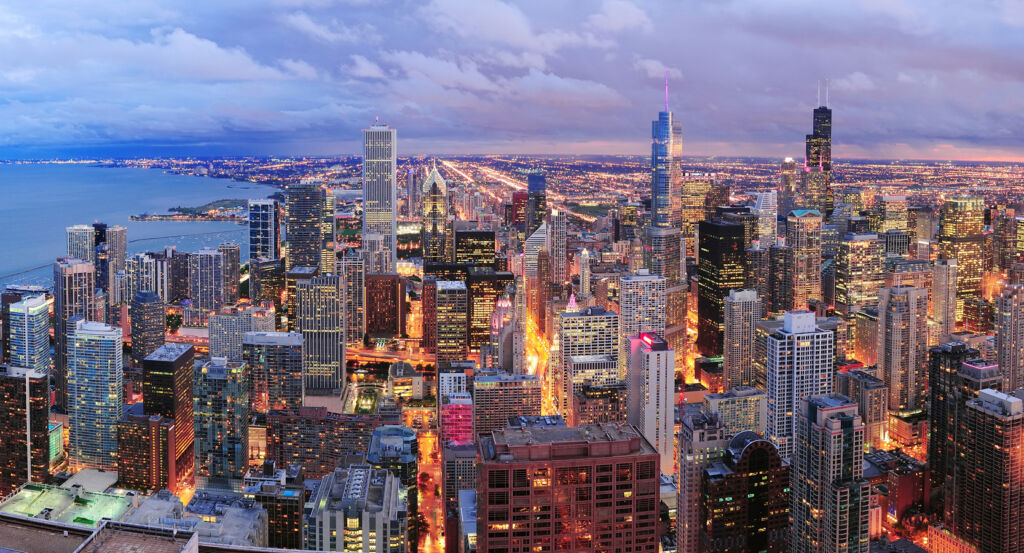
North Clark Street is a renowned urban corridor where Chicago's commercial history, cultural diversity, and neighborhood identity converge along one of the city's most important streets.
Stretching through neighborhoods including River North, Gold Coast, Lincoln Park, Lakeview, Andersonville, and Rogers Park, this historic avenue connects residential communities, cultural institutions, entertainment districts, public parks, commercial corridors, and civic landmarks that have shaped city life for generations. Historic storefronts, iconic theaters, neighborhood businesses, architectural landmarks, public gathering places, and vibrant streetscapes create an environment defined by continuity and reinvention. The corridor evolved from one of Chicago's earliest routes into a defining artery of the city's North Side, supporting generations of residents, entrepreneurs, artists, educators, and civic leaders. Its remarkable diversity reflects the broader story of Chicago itself. The result is a street defined by connectivity, cultural richness, and urban vitality.
What you should know about North Clark Street.
North Clark Street is best known for following one of Chicago's oldest continuous transportation routes, a corridor whose origins predate much of the city's modern development and helped guide the growth of numerous North Side neighborhoods.
Named after George Rogers Clark, the avenue became a critical commercial and residential spine as Chicago expanded northward during the nineteenth and twentieth centuries. Businesses, institutions, theaters, restaurants, and cultural destinations flourished along its path, helping establish distinct neighborhood identities while maintaining strong connections to downtown. The street's extraordinary geographic reach allows it to pass through some of Chicago's most historically and culturally significant districts. Few Chicago streets have played such a sustained role in shaping the city's development across multiple generations.
How to fold North Clark Street into your trip.
North Clark Street is best experienced as an exploration of Chicago's cultural diversity, architectural heritage, and neighborhood evolution.
Begin at The Chicago History Museum, where the street's defining relationship with civic identity, historical preservation, and city-building immediately comes into focus. Continue toward Wrigley Field, whose iconic presence reveals the cultural and entertainment forces that helped shape the corridor across generations. From there, make your way to Andersonville, where one of Chicago's most celebrated neighborhood districts provides a broader perspective on the immigrant traditions, local businesses, and community character that continue to define North Clark Street today. Along the route, you'll encounter historic architecture, cultural institutions, public gathering places, entertainment venues, neighborhood businesses, community landmarks, and celebrated streetscapes that showcase the avenue's remarkable depth. The progression moves naturally from historical institution to renowned sports landmark to neighborhood cultural center, revealing the forces that transformed North Clark Street into one of Chicago's most consequential urban corridors. North Clark Street remains one of the city's most rewarding streets, preserving a distinctive balance between historical significance, cultural diversity, and contemporary city life.
Where your story begins.
Start the planning journey with Foresyte Travel.
Experience immersive stories crafted for luxury travelers.