
Why you should experience Number 31 in Dublin, Ireland.
Number 31 is where discretion, architectural poetry, and a deeply personal sense of hospitality converge, offering a stay that feels private, cultivated, and quietly extraordinary.
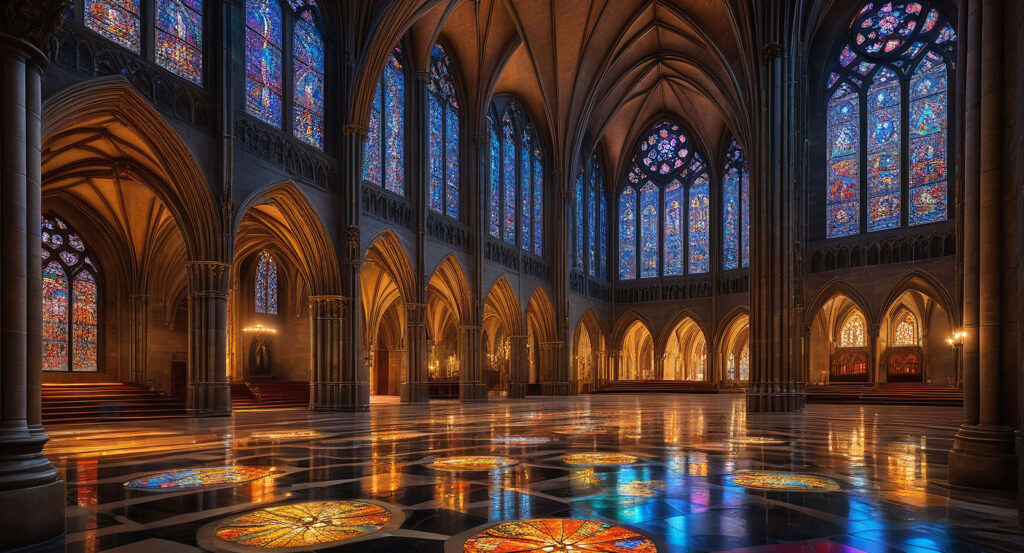
Hidden behind a Georgian façade just off Leeson Street, Number 31 does not reveal itself easily, and that is precisely the point. Arrival feels like being let in on a secret. You ring the bell, step inside, and the city dissolves. What unfolds beyond the front door is not a conventional hotel experience but a carefully composed domestic world, one shaped by light, proportion, and intention. The house carries a calm authority. Nothing is rushed. Nothing is exaggerated. The atmosphere encourages you to lower your voice. Interiors are intimate and architecturally expressive, blending original Georgian bones with modernist interventions that feel deliberate and deeply considered. Spaces flow. Corridors open into rooms that feel more like living spaces than public areas. Furniture is chosen for presence, not trend. Art and objects feel collected. Light enters thoughtfully, often from unexpected angles, creating moments that feel almost cinematic in their quietness. Guest rooms continue this sense of cultivated privacy. Each room feels individual, shaped by the architecture. Layouts are generous without excess, encouraging stillness as much as comfort. Beds are deeply inviting, dressed in linens that prioritize physical ease and rest over formality. Furnishings are understated but rich in character, chosen to complement the space. Color palettes feel natural and calming, allowing texture, light, and proportion to do the work. Windows often frame gardens, courtyards, or quiet streets, reinforcing the sense that you are inside a protected enclave. Bathrooms feel similarly intentional. Materials are tactile and refined. Lighting is soft and flattering. Daily rituals become moments of care. Everything feels personal, as though the space was designed for a specific way of living. What defines Number 31 is its rebellious intimacy. This is not a place for crowds, events, or social display. It is a place for presence. Public spaces feel like shared rooms in a private home, where conversation happens naturally and silence is not something to fill. Breakfast is served with calm attentiveness, more like a domestic ritual than a service transaction. Evenings feel hushed and reflective, inviting reading, conversation, or simply being still. Service here is deeply personal and quietly intuitive. Interactions feel human and unforced, shaped by genuine attentiveness. There is no sense of hierarchy or performance. You are treated as a guest in the truest sense of the word. Step outside and Dublin is immediately accessible, yet returning to Number 31 always feels like reentering a different mental space. St. Stephen's Green, Georgian streets, cultural institutions, and the city's social life are all within easy reach, but the hotel's inward-facing nature means the city never intrudes.
What you should know about Number 31.
Number 31 occupies a singular place in Dublin's hospitality landscape, shaped by a philosophy that prioritizes architectural experience and resonant resonance over scale or recognition.
The building's transformation into a hotel was guided by a belief that space itself could be the primary luxury. Rather than overlaying the Georgian structure with decorative excess, the design embraces contrast. Original details coexist with modernist additions, most notably a light-filled atrium that introduces air, volume, and openness without overwhelming the intimacy of the house. This blend between old and new creates a discussion that feels alive. A lesser-known aspect of Number 31's character lies in how it manages attention. In a world saturated with visual and physical input, the hotel deliberately removes noise. Design choices are restrained. Color is used sparingly. Sound is softened. This creates an environment where guests often become more aware of their own thoughts and rhythms. It is a place that invites introspection without isolating you from the world entirely. Another subtle dimension is the hotel's relationship with hospitality itself. Number 31 does not operate on volume or turnover. Its small scale allows for genuine recognition. Guests are not processed. They are remembered. Preferences are noted quietly. Guidance is offered thoughtfully and sparingly. This creates a sense of trust that builds quickly and lingers long after departure. The hotel also attracts a particular type of traveler. Writers, architects, designers, and reflective explorers often gravitate here because it offers alignment. It is not a backdrop for activity. It is part of the experience itself. Staying here encourages slower movement, deeper attention, and a different relationship with time. Mornings unfold gently. Afternoons invite pause. Evenings feel contemplative. Number 31 does not compete with Dublin's energy. It offers an alternative rhythm that exists alongside it. This balance between engagement and retreat is rare and deeply intentional. The hotel's service philosophy mirrors this restraint. Staff interactions are warm, informed, and genuinely human. There is no script, no performance of luxury. Hospitality here is expressed through timing, tone, and respect for personal space. The result is an experience that feels less like a stay and more like temporary belonging. Number 31 attracts those who value depth over display, presence over performance, and places that reveal themselves slowly.
How to fold Number 31 into your trip.
Number 31 works best when you allow Dublin to unfold slowly, with space for reflection, architectural appreciation, and moments of stillness.
Begin your mornings quietly. Let breakfast at the hotel set the tone, unhurried and calm. Sit near the light, notice the way space shapes sound and movement, and allow the day to begin. Step outside afterward and walk toward St. Stephen's Green or along nearby Georgian streets while the city is still gathering itself. Pay attention to proportion, doors, windows, and the subtle variations that give Dublin its texture. Late mornings are ideal for cultural exploration that rewards attention. Visit galleries, museums, or historic houses with the intention of lingering. Let space and detail register fully. Return to Number 31 midday for pause and recalibration. Read, write, or simply sit. This pause is not an interruption of experience. It is where experience deepens. In the afternoon, explore outward gently. Walk toward neighborhoods that feel lived in. Choose cafés or bookshops that invite lingering. Each return to the hotel feels grounding, like stepping back into a private rhythm. As evening approaches, let plans remain flexible. Choose dinner based on mood. Dublin offers many places where atmosphere matters more than trend if you allow instinct to guide you. After dinner, return to Number 31 through softly lit streets. The transition from city to interior calm feels almost ceremonial, as though the building itself is exhaling. On your final morning, linger longer than expected. Sit once more in the shared spaces. Notice how familiar they feel. Notice how your pace has changed.
MAKE IT REAL
Where your story begins.
Foresyte Travel reveals places that feel extraordinary long before you arrive.
Experience premium editorial crafted for luxury travelers.














































































































