Why Olive Street matters.
Olive Street is a landmark Uptown corridor where architectural innovation, cultural institutions, and urban sophistication converge along one of the city's defining streets.
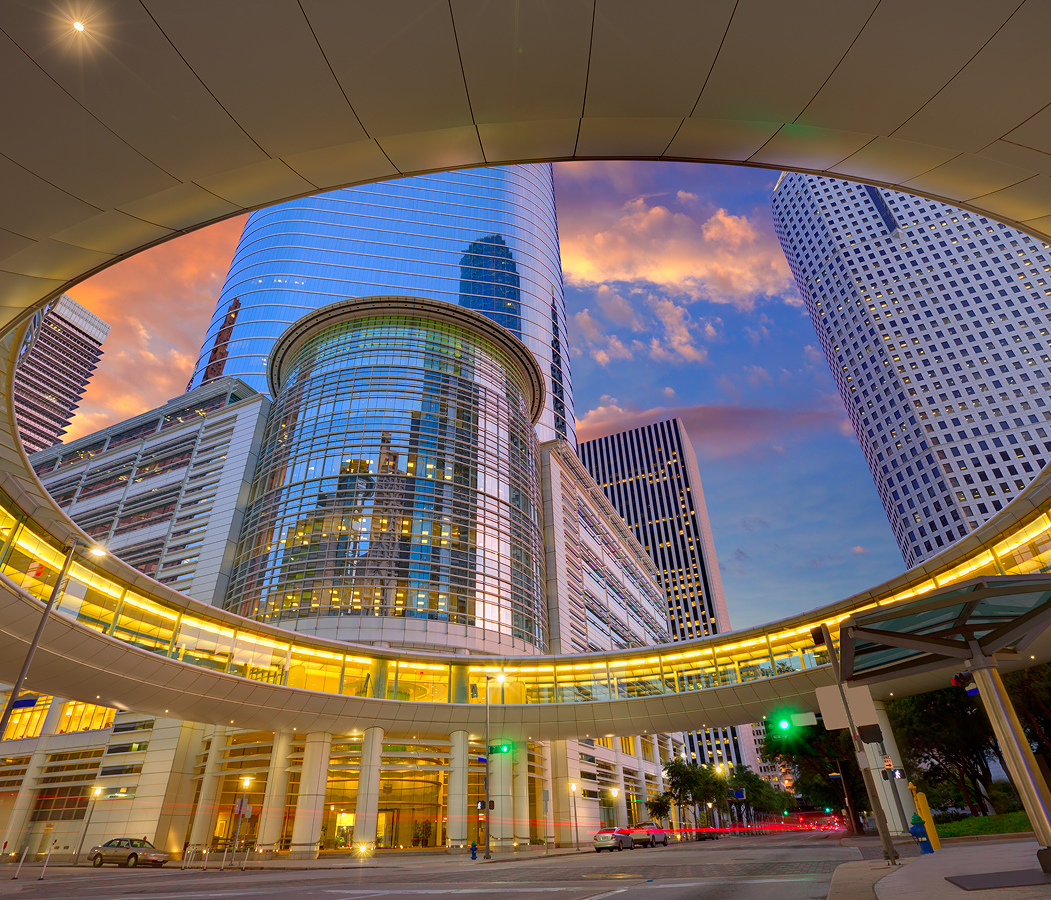
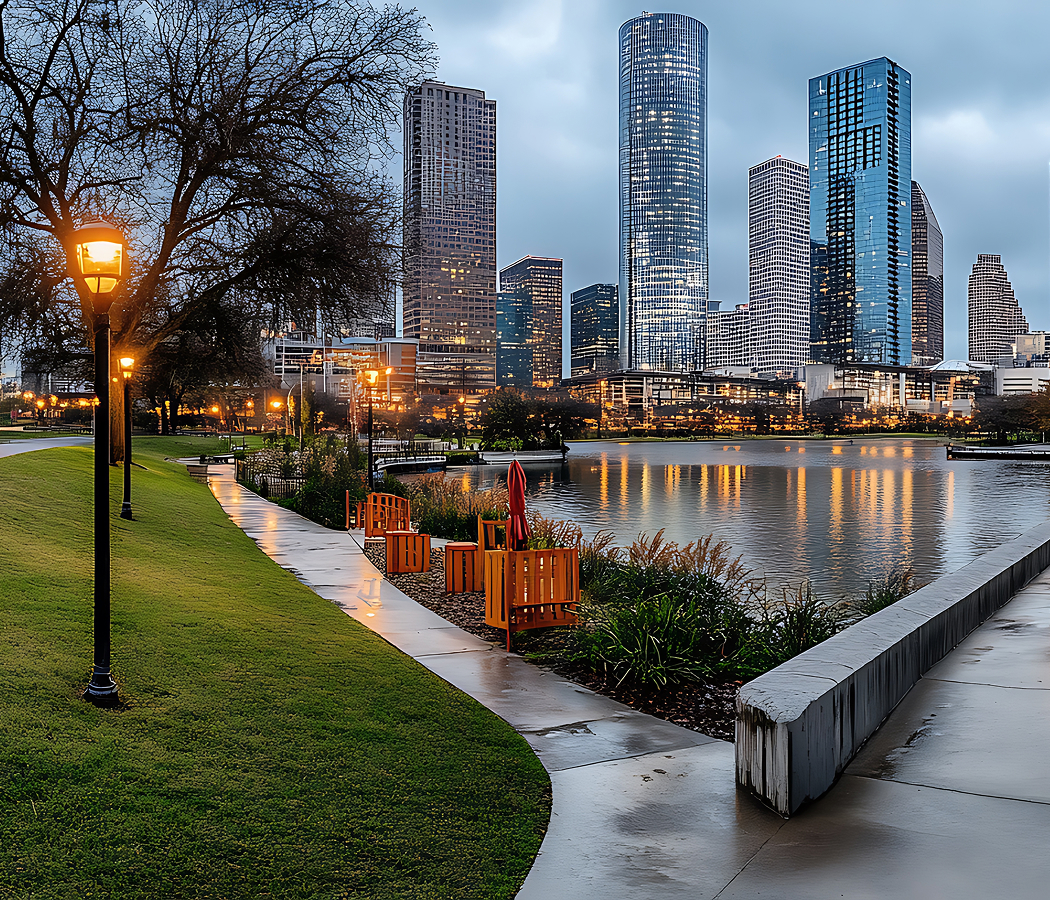
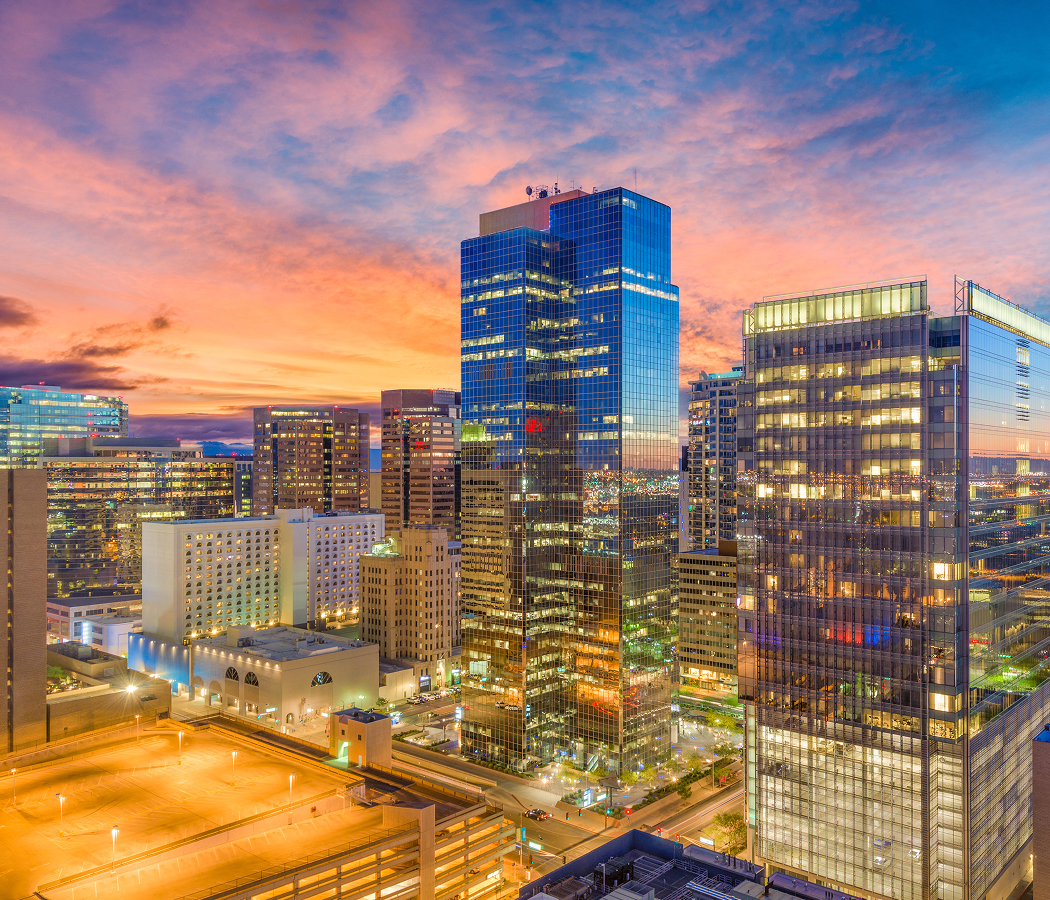
Running through Uptown between the Arts District, Victory Park, and Downtown, this distinguished corridor connects internationally acclaimed museums, luxury hotels, landmark office towers, celebrated restaurants, public plazas, and welcoming pedestrian spaces that collectively showcase Dallas' remarkable architectural and cultural evolution. Contemporary skyscrapers, architecturally significant cultural venues, beautifully landscaped streetscapes, public art, elegant gathering spaces, destination dining, and energetic mixed use developments create an urban landscape where generations of architects, artists, entrepreneurs, performers, and residents have shaped one of North Texas' most influential urban corridors. Olive Street developed during Downtown's northward expansion before evolving into a defining connector between the city's premier business, cultural, and residential districts while preserving its enduring metropolitan significance. The result is a corridor defined by architectural excellence, cultural vitality, and lasting civic prominence.
What defines Olive Street.
Olive Street is best known for the Perot Museum of Nature and Science, whose 2012 opening introduced Thom Mayne's internationally acclaimed cube-on-plinth design, earning global recognition as one of the twenty-first century's most innovative science museum buildings.
Designed by Pritzker Prize-winning architect Thom Mayne of Morphosis, the museum transformed Dallas' cultural landscape through its striking architecture, sustainable engineering, and immersive educational spaces. Its dramatic exterior, featuring a continuous concrete façade and glass-enclosed escalator, established an instantly recognizable landmark while housing world-class exhibitions spanning paleontology, engineering, geology, biology, and technology. Today, the museum attracts visitors from around the world and remains a defining symbol of Dallas' commitment to architectural excellence, scientific discovery, and public education. That extraordinary architectural achievement has established Olive Street as a corridor anchored by one of the city's most celebrated contemporary landmarks.
How Olive Street fits.
Olive Street works as an exploration of Dallas' architecture, museums, and performing arts.
Begin at the Perot Museum of Nature and Science, where Thom Mayne's striking contemporary architecture immediately establishes the corridor's defining identity. Continue toward the Nasher Sculpture Center, where one of the world's finest collections of modern and contemporary sculpture provides broader perspective on the artistic excellence that distinguishes the Dallas Arts District. From there, make your way to the Morton H. Meyerson Symphony Center, where I. M. Pei's internationally acclaimed concert hall provides a memorable conclusion while celebrating one of the world's finest orchestral venues. Along the route, you'll encounter architecturally significant cultural landmarks, welcoming public plazas, thriving downtown destinations, beautifully designed civic spaces, celebrated museums, and energetic performing arts venues that reveal Uptown's exceptional depth. The progression moves naturally from a globally recognized science museum to an internationally acclaimed sculpture museum to one of the world's finest concert halls, demonstrating how Olive Street connects architectural innovation, community life, and cultural discovery within the heart of Uptown.
Where your story begins.
Foresyte Travel reveals places that feel extraordinary long before you arrive.
Experience premium editorial crafted for luxury travelers.