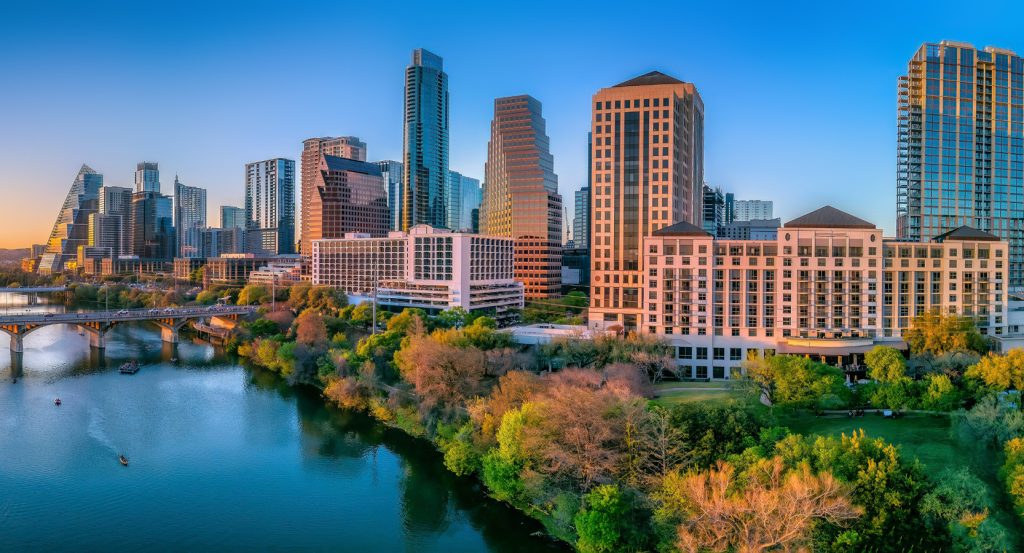
Why Parker Lane matters.
Parker Lane is a welcoming corridor where Parker Lane's multicultural character, neighborhood resilience, green spaces, and community spirit create one of Southeast Austin's most distinctive streets.
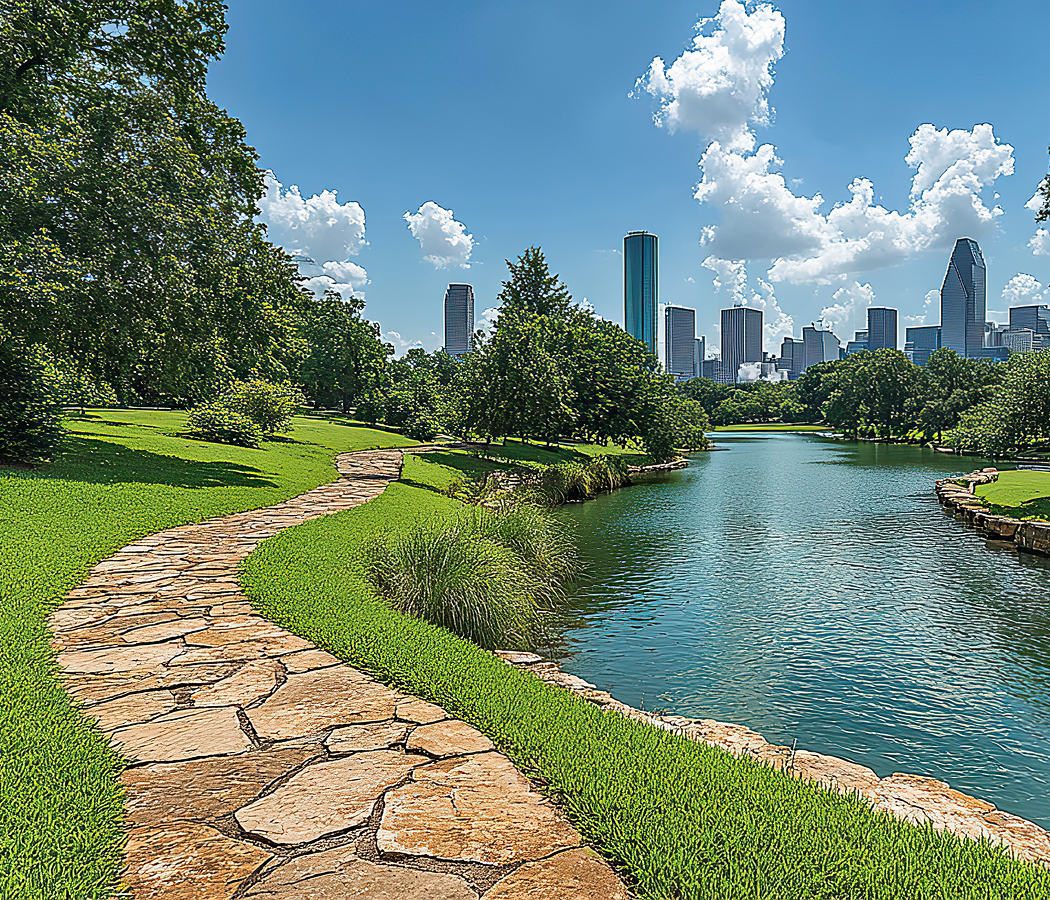
Running through Parker Lane between St. Edward's and Pleasant Valley, the corridor connects established residential neighborhoods, community parks, local businesses, educational institutions, and the Colorado River corridor that reflect decades of Southeast Austin's steady evolution. Each successive stretch reveals mature live oaks, neighborhood shopping centers, shaded sidewalks, apartment communities, and recreational spaces that reinforce the roadway's unmistakable identity. The defining moment arrives as Parker Lane demonstrates how neighborhood investment, environmental stewardship, and cultural diversity continue shaping one of Southeast Austin's defining corridors. The result is an experience defined by community character, accessibility, and one of Parker Lane's most rewarding streets.
What defines Parker Lane.
Parker Lane is best known for traversing the Parker Lane neighborhood, an area that experienced substantial residential expansion during the 1950s, 1960s, and 1970s as Austin's postwar growth extended southeast beyond downtown through new subdivisions, apartment communities, neighborhood shopping centers, and supporting civic infrastructure. The corridor developed alongside Interstate 35, whose completion through Austin during the 1960s reshaped regional mobility while encouraging commercial investment and higher-density residential construction throughout the surrounding area. Nearby public amenities include Mabel Davis District Park, encompassing 50 acres, with athletic fields, swimming facilities, trails, restored prairie habitat, and one of Austin's largest public skate parks, while Country Club Creek continues flowing through the neighborhood as part of the Colorado River watershed. Residential architecture along the corridor includes Ranch houses, Mid-Century apartment complexes, contemporary townhomes, masonry commercial buildings, native limestone retaining walls, shaded streetscapes, and mature live oak, cedar elm, pecan, Mexican sycamore, and Texas mountain laurel landscapes reflecting successive periods of neighborhood development. The roadway also provides direct access to St. Edward's University, founded in 1877 by the Congregation of Holy Cross, whose hilltop campus has remained one of Austin's defining educational institutions for nearly a century and a half. Collectively, the corridor's postwar development, transportation infrastructure, educational institutions, recreational amenities, and mature urban landscape establish Parker Lane as one of Southeast Austin's defining neighborhood corridors.
Adjacent to the corridor, Mabel Davis Park opened in 1971 before later expanding into today's district park, creating an important recreational destination through continued investment in athletic facilities, natural habitat restoration, and community programming. Nearby, Blunn Creek Nature Preserve protects riparian woodland, native vegetation, and wildlife habitat while preserving one of the few remaining natural creek corridors within Central Austin's urban landscape. The nearby Austin Community College Riverside Campus, established in 1999 within the former Concordia University Texas campus, expanded access to higher education for surrounding neighborhoods through academic, workforce, and continuing education programs. Together, these recreational resources, protected natural areas, and educational institutions demonstrate how Parker Lane reflects a corridor where community investment, environmental preservation, and lifelong learning continue reinforcing one another.
How Parker Lane fits.
Parker Lane works as an exploration of Southeast Austin's parks, educational heritage, and neighborhood character.
Begin at Mabel Davis District Park, where restored prairie landscapes, athletic facilities, shaded trails, and one of Austin's premier public skate parks establish the recreational character surrounding Parker Lane. Continue to St. Edward's University, where historic architecture, elevated campus views, and 150 years of educational tradition deepen the experience before guiding the journey toward its historical conclusion. Conclude at Mexic-Arte Museum, where exhibitions celebrating Mexican, Latino, and Latin American art provide the historical payoff by illustrating the cultural traditions that continue shaping communities throughout Austin. The progression moves naturally from neighborhood recreation to higher education before culminating in one of the city's leading cultural institutions.
Where your story begins.
Foresyte Travel reveals places that feel extraordinary long before you arrive.
Enjoy editorial crafted for luxury travelers.
Foresyte may earn a commission when you book.