Why Piety Wharf matters.
Piety Wharf is a historic Mississippi River wharf where Bywater's industrial heritage, maritime commerce, riverfront culture, and creative reinvention preserve one of New Orleans' most authentic working waterfront landscapes.
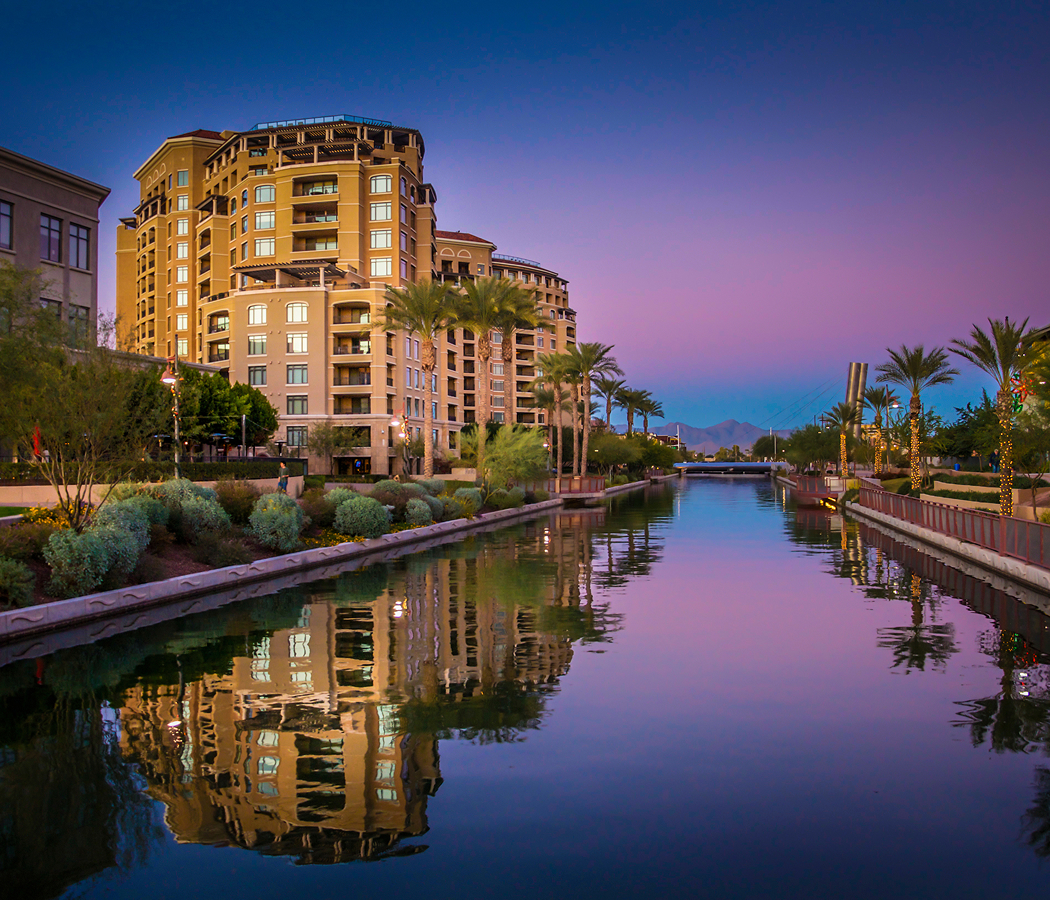
Set along North Peters Street near Piety Street and just steps from Crescent Park, this riverside destination combines expansive levee promenades, historic wharf infrastructure, towering floodwalls, active rail corridors, and uninterrupted views across the Mississippi River toward Algiers Point. Ocean-going vessels, tugboats, barges, and passing river traffic underscore the enduring commercial rhythm of one of the world's busiest inland waterways while revealing the industrial character that has shaped the Bywater for generations. Brick warehouses, former cotton facilities, and adaptive reuse projects surrounding the wharf demonstrate the neighborhood's evolution from a nineteenth-century port district into one of New Orleans' most distinctive cultural quarters. The result is a waterfront destination defined by maritime authenticity, industrial legacy, and one of the city's most compelling riverfront experiences.
What defines Piety Wharf.
Piety Wharf is best known for occupying a strategic section of New Orleans' historic upriver port district, where the rapid nineteenth-century expansion of cotton exports, sugar shipments, and international maritime trade transformed the Bywater into one of the busiest cargo-handling corridors along the Mississippi River. Following the Louisiana Purchase in 1803 and the explosive commercial growth that accompanied the arrival of steam-powered navigation, wharves extending along the Bywater accommodated cotton presses, warehouses, railroad sidings, and ocean-going vessels serving trade routes throughout the Caribbean, Europe, and the eastern United States, reinforcing New Orleans' emergence as the nation's leading export port before the Civil War. The surrounding riverfront became closely integrated with the New Orleans Public Belt Railroad, established in 1908 to provide unified switching service among competing railroads and port terminals, creating one of the country's most efficient multimodal freight systems connecting ships, rail lines, warehouses, and manufacturing facilities. Continuous public investment in levee improvements, flood protection, port modernization, and riverfront infrastructure preserved the district's strategic importance throughout the twentieth century even as containerization shifted major cargo operations farther downriver. Today, Piety Wharf remains embedded within one of North America's largest port complexes, where the Mississippi River continues carrying hundreds of millions of tons of cargo annually while the surrounding Bywater preserves an exceptional concentration of industrial architecture reflecting nearly two centuries of maritime commerce, engineering, and economic development.
Historic warehouses, active freight infrastructure, elevated levees, expansive river views, and carefully integrated public access reveal the enduring relationship between New Orleans and the Mississippi River more vividly than almost anywhere else in the city. Adaptive reuse projects, public green space, restored industrial buildings, and uninterrupted views of commercial navigation demonstrate how preservation, economic continuity, and contemporary urban planning have allowed a working waterfront to remain an essential part of the city's character while continuing to support global maritime commerce.
How Piety Wharf fits.
Piety Wharf works as part of an exploration through Bywater's celebrated riverfront, industrial heritage, and creative public spaces.
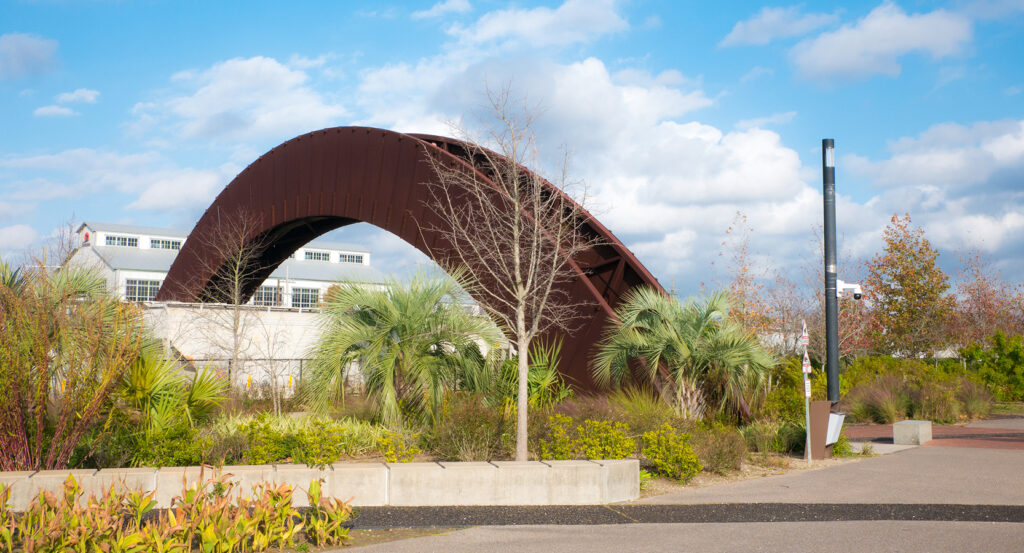
Begin at Crescent Park, where elevated riverfront walkways introduce sweeping views of the Mississippi River before continuing to Piety Wharf to experience one of New Orleans' most historic working waterfronts. Continue to Rusty Rainbow Bridge, whose striking pedestrian span connects visitors with dramatic perspectives across the Bywater's industrial landscape and riverfront. Conclude at Bacchanal Fine Wine & Spirits, where live music, local cuisine, and a beloved courtyard atmosphere provide a memorable finale celebrating the neighborhood's creative spirit after exploring its maritime heritage. The progression moves naturally from scenic riverfront to historic wharf before concluding with one of Bywater's defining neighborhood institutions, revealing why Piety Wharf remains one of New Orleans' most authentic connections to the Mississippi River.
Where your story begins.
Foresyte Travel reveals places that feel extraordinary long before you arrive.
Enjoy editorial crafted for luxury travelers.
Foresyte may earn a commission when you book.