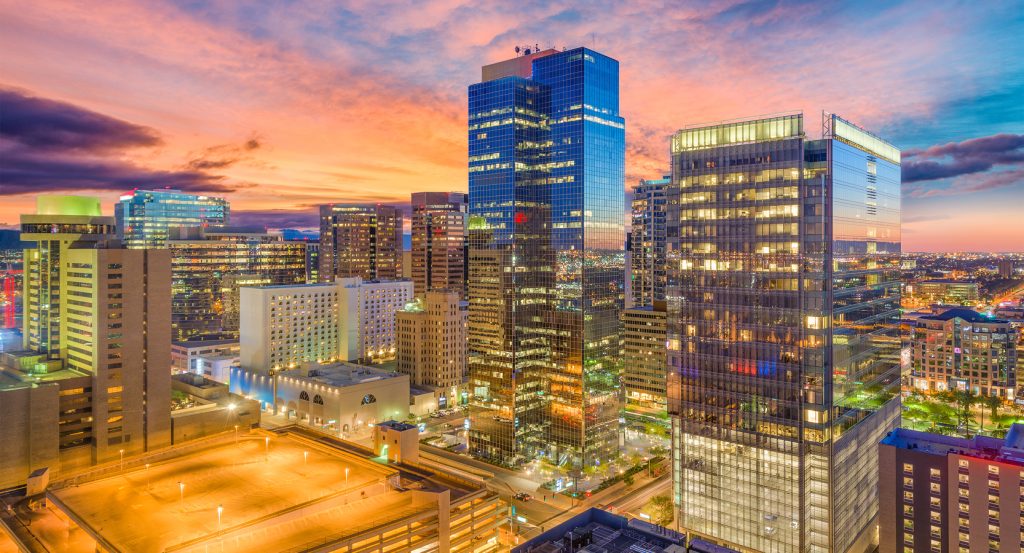
Why you should experience Polk Street in Phoenix, Arizona.
Polk Street is a storied corridor where Downtown's civic legacy, architectural evolution, cultural vitality, and neighborhood revival create one of the city's most compelling streets.
Running through Downtown between Roosevelt Row and the Government District, the corridor connects historic neighborhoods, civic institutions, restored commercial buildings, and contemporary infill that reflect more than a century of continuous urban growth. Each successive block reveals early twentieth-century masonry buildings, mature shade trees, adaptive neighborhood spaces, and modern architectural interventions that reinforce the street's unmistakable identity. The defining moment arrives as Polk Street demonstrates how preservation, artistic energy, and thoughtful reinvestment continue shaping one of Central Phoenix's most distinctive urban environments. The result is an experience defined by architectural depth, cultural momentum, and one of Downtown's most rewarding corridors.
What you should know about Polk Street.
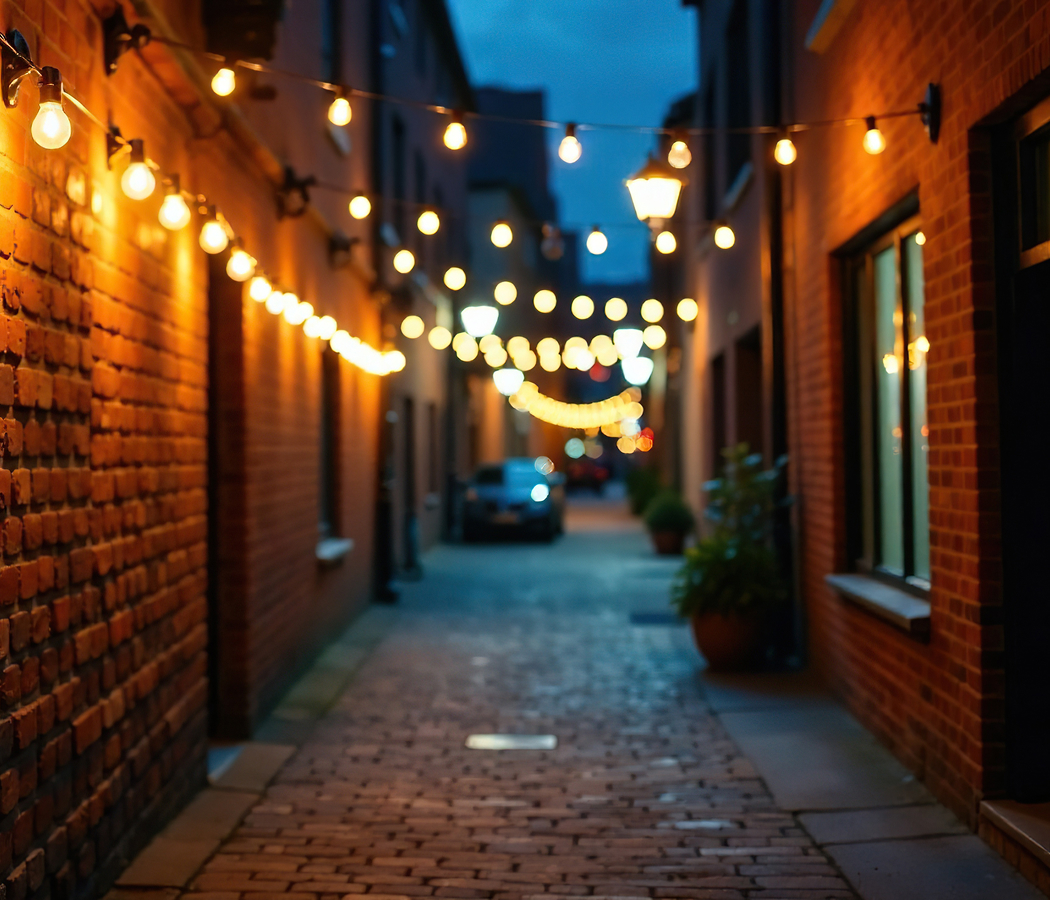
Polk Street is best known for developing during Phoenix's early twentieth-century expansion as the city grew beyond its original townsite, with substantial residential and commercial construction occurring throughout the 1900s, 1910s, 1920s, and 1930s. Development introduced Craftsman, Spanish Colonial Revival, Mission Revival, and Commercial Style buildings featuring red brick masonry, reinforced concrete construction, decorative terra-cotta detailing, steel industrial sash windows, wood double-hung windows, deep recessed entrances, and ornamental parapets that continue defining the corridor's architectural identity. The street became closely associated with the growth of the Roosevelt Historic District, listed on the National Register of Historic Places in 1983, where one of Arizona's largest collections of early twentieth-century residences demonstrates Phoenix's transition into a major Southwestern city. Gridded blocks, landscaped parkways, mature ash trees, broad sidewalks, historic lot patterns, and preserved building setbacks maintain the original planning structure while reinforcing Polk Street's cohesive streetscape. Continued reinvestment has restored historic structures while introducing compatible residential, commercial, and cultural development that respects the corridor's established architectural character. Collectively, the corridor's early urban origins, architectural craftsmanship, preservation achievements, and sustained neighborhood stewardship established Polk Street as one of Downtown's defining historic corridors.
Historic Roosevelt Neighborhood Association continues organizing preservation initiatives, community events, and neighborhood advocacy that reinforce Polk Street's historic character while encouraging long-term stewardship of the surrounding district. Arizona Preservation Foundation documents historically significant buildings, promotes preservation education, and recognizes exemplary restoration projects that strengthen appreciation for the corridor's architectural legacy. Mature ash trees, desert willow, palo verde, flowering shrubs, irrigated planting strips, brick landscape elements, and pedestrian-scaled streetscape improvements create an inviting public realm that complements the surrounding historic architecture while enhancing walkability. Together, these preservation organizations, neighborhood initiatives, and enduring landscape traditions demonstrate how Polk Street continues retaining its distinctive character through sustained community investment and thoughtful conservation.
How to fold Polk Street into your trip.
Polk Street works as an exploration of Downtown's architectural heritage and cultural revival.
Begin at Roosevelt Row Arts District, where galleries, murals, and restored storefronts establish the creative story surrounding Polk Street while naturally introducing the neighborhood's ongoing renaissance. Continue to Margaret T. Hance Park, where expansive green space and civic gathering areas deepen appreciation for Downtown's evolving public realm before guiding the experience toward its historical conclusion. Conclude at Heritage Square, where preserved Victorian-era buildings provide the historical payoff by illustrating the architectural foundations from which modern Phoenix emerged. The progression moves naturally from contemporary artistic expression to civic open space before culminating in one of the city's most significant historic settings.
Where your story begins.
Foresyte Travel reveals places that feel extraordinary long before you arrive.
Experience premium editorial crafted for luxury travelers.