
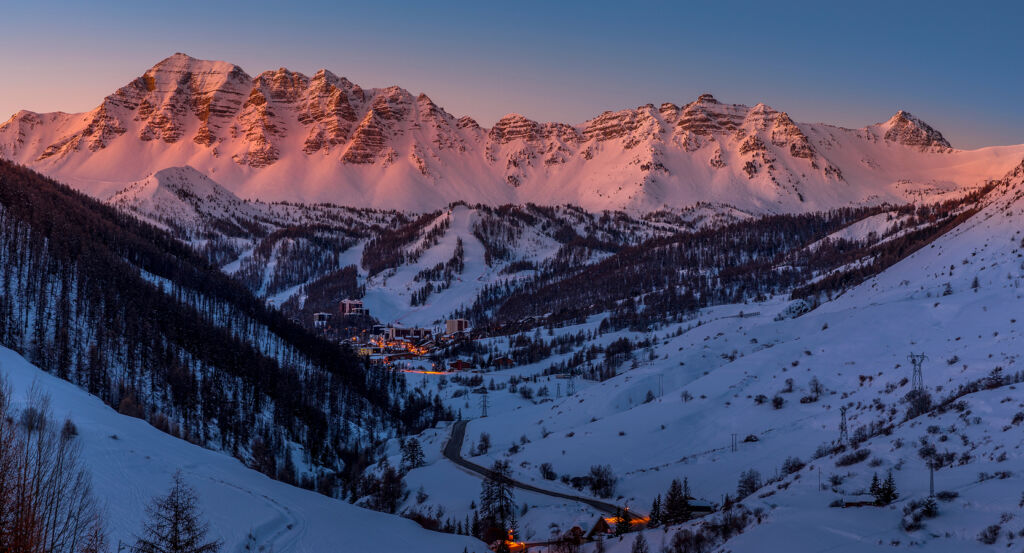
Why you should experience Refuge Napoléon Vars in France.
Refuge Napoléon Vars is where high-altitude serenity, deep alpine heritage, and the rugged, soul-stirring atmosphere of the French Alps come together in a stay that feels iconic, intimate, and profoundly connected to mountain history.
Perched along the renowned Route des Grandes Alpes, a storied passageway carved through peaks, ridgelines, and centuries, Refuge Napoléon Vars stands at an elevation where the world feels both vast and comfortably close. Surrounded by wide skies, rocky outcrops, winding passes, and untouched panoramas, the refuge captures a rare kind of mountain hospitality: simple, warm, authentic, and wrapped in the timeless stillness of nature. From the outside, the building radiates historical gravitas. Its stone walls, shuttered windows, sloped rooflines, and compact alpine silhouette reflect the architectural language of mountain refuges meant to withstand harsh winters, powerful winds, and the raw temperament of high-altitude life. Snow piles thickly along the edges in winter; in summer, wild grasses, alpine flowers, and grazing animals surround the refuge like a natural mosaic. Step inside, and Refuge Napoléon Vars immediately envelops you with the comforting, lived-in charm that can only come from a place built for travelers passing through mountain extremes. Expect thick wooden beams, the warm glow of ambient lighting, rustic alpine décor, sturdy furniture, and a feeling of deep coziness that holds steady regardless of the weather outside. Every room, every corner carries the echo of generations of travelers, hikers, bikers, shepherds, skiers, explorers, who have passed through these doors seeking shelter, warmth, and connection. The staff's hospitality is heartfelt, down-to-earth, and infused with genuine love for the region's heritage. They welcome guests not with scripted pleasantries, but with real kindness, the sort that comes from understanding the needs of people living and exploring at altitude. Their presence adds warmth to the refuge's historic soul, grounding the experience in humanity and tradition. Rooms at Refuge Napoléon Vars reflect mountain simplicity elevated by thoughtful comfort. Expect wooden accents, thick blankets, soft bedding, and windows framing rugged terrain, peaks dusted with snow, valleys unfolding beneath shifting light, or cloud shadows crossing the slopes. It is the kind of room where silence becomes a companion, where the air feels crisp and clean, and where waking up feels like being gently folded into the mountains themselves. Bathrooms are functional, clean, and practical, designed for hikers, skiers, cyclists, and travelers whose bodies crave warmth and restoration after long days outdoors. Breakfast is a nourishing, satisfying ritual. Served in a cozy dining room with views of the surrounding massif, the morning table includes pastries, breads, fruit, yogurt, eggs, cheeses, charcuterie, warm dishes, cereals, juices, and strong mountain coffee. Every item feels hearty, intentional, and perfectly matched to the demands of high-altitude exploration. Dinner, however, is where Refuge Napoléon Vars truly shines. The on-site restaurant is beloved by travelers, locals, and adventurers alike, known for serving traditional dishes that honor the hardy, comforting flavors of alpine cuisine.
What you did not know about Refuge Napoléon Vars.
Refuge Napoléon Vars stands on land shaped by centuries of pastoral life, strategic alpine travel, imperial decree, and the storied history of the Route des Grandes Alpes, making it among the rare accommodations in France tied directly to the legacy of Napoleon Bonaparte himself.
Long before the refuge existed, the land surrounding this mountain pass was used by shepherds guiding sheep and goats between seasonal grazing areas. The high slopes provided fresh summer pasture, while lower valleys served as winter shelter. This cycle, transhumance, defined life in the southern Alps for hundreds of years. The terrain was essential to survival, shaping the rhythms, occupations, and social structures of the communities in and around Vars. In medieval times, the pass near the refuge formed an important route linking Provence to alpine valleys and northern trade networks. Travelers, merchants, soldiers, and pilgrims used the road to transport wool, cheese, tools, grain, and handcrafted goods. The land beneath the refuge saw centuries of footsteps long before tourism ever touched the valley. The defining chapter began in the early 19th century. After crossing the Alps during the Hundred Days, Napoleon issued decrees to build a series of refuges across high mountain passes to protect travelers from storms, cold, and isolation. These Refuges Napoléon were constructed along the main strategic routes of the region, offering shelter, warmth, and safety in some of the most remote and demanding terrain in France. The Vars refuge, among only six originally built, was constructed in the 1850s, using stone foundations and architectural techniques designed to withstand brutal winter conditions. The land beneath the modern refuge is the same land chosen under imperial order. Over time, the original structure evolved, modernized, expanded, and eventually became the beloved mountain lodge travelers know today. Yet its historical character remains intact. The thick stone walls, strategic placement, and enduring purpose all connect directly to Napoleon's vision of protecting mountain travelers. Throughout the 20th century, the refuge witnessed dramatic changes in alpine life: the rise of cycling, the development of hiking routes, the expansion of winter sports, the growth of the Vars ski domain, and the increasing popularity of the Route des Grandes Alpes as a renowned journey. And yet the refuge held its original spirit, simple, welcoming, and devoted to serving those crossing the mountains. Today, beneath its modern comforts is a layered history shaped by shepherds, soldiers, emperors, mountain workers, early adventurers, motorcyclists, skiers, cyclists, and generations of travelers who found safety and warmth on this exact patch of alpine ground.
How to fold Refuge Napoléon Vars into your trip.
Refuge Napoléon Vars becomes the atmospheric, historic, soul-soothing anchor of your alpine journey, where mornings begin with crisp mountain silence, days unfold into sweeping adventure, and evenings settle into warm, firelit tranquility.
Begin your winter morning with pastries, breads, cheeses, yogurt, fruit, charcuterie, eggs, warm dishes, and strong mountain coffee before stepping out into a world of snow-softened peaks, dramatic ridgelines, and invigorating alpine air. Spend your day skiing across the Forêt Blanche, snowshoeing through forests, exploring frozen passes, or simply absorbing the quiet majesty of winter at altitude. Return to the refuge for a hot shower, a comforting dinner rich with alpine flavor, and a peaceful evening watching snow drift across the darkening slopes. In summer, wake to brilliant sunlight spilling across the mountains before hiking ridge paths, cycling mountain passes, exploring alpine lakes, or following wildflower trails through the high meadows. Spend afternoons reading on the terrace, savoring cool drinks, talking with fellow travelers, or soaking in the panoramic calm that defines life at altitude. Evenings unfold slowly, long dinners, soft breezes, golden sunsets over the peaks, and the deep, restorative quiet that only a high-mountain refuge can provide. Wake each morning refreshed, grounded, and fully attuned to the elemental rhythm of the Alps, ready for another day shaped by nature, history, and the heartfelt hospitality of Refuge Napoléon Vars. It becomes not just where you stay, but the memory-rich, soul-anchoring highlight of your entire alpine journey.
Where your story begins.
Foresyte Travel reveals places that feel extraordinary long before you arrive.
Experience premium editorial crafted for luxury travelers.














































































































