Why Reunion Boulevard matters.
Reunion Boulevard is a landmark Downtown corridor where iconic architecture, transportation history, and skyline views converge along one of the city's most recognizable gateway streets.
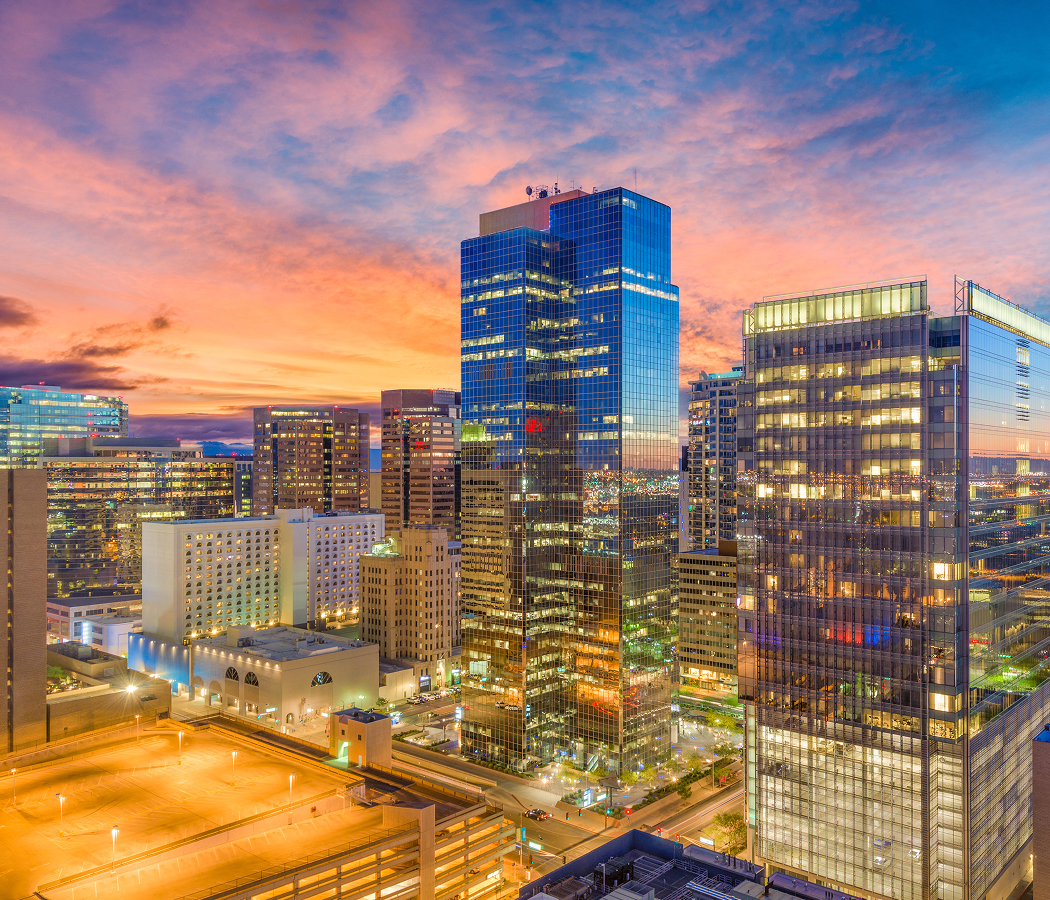
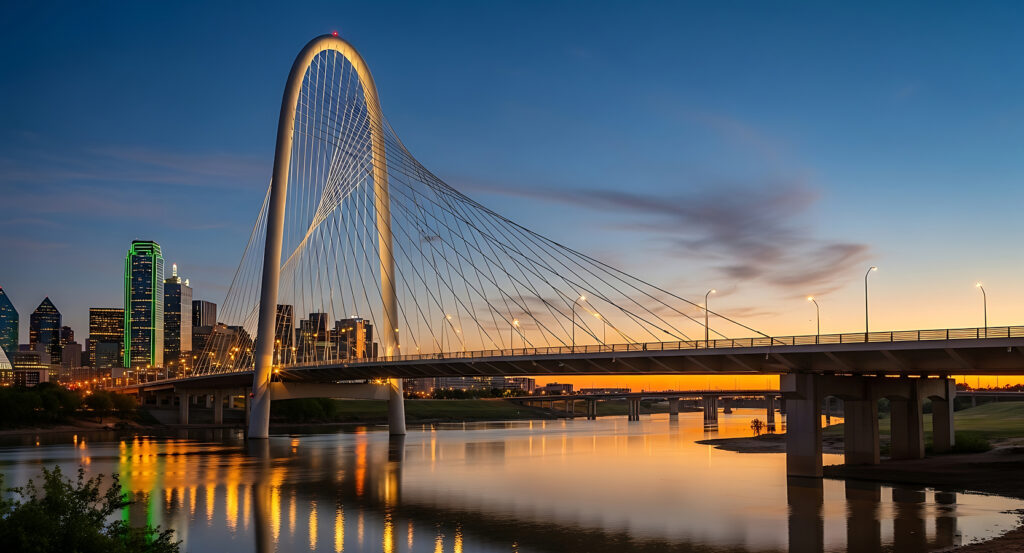
Running through Downtown between the Cedars, the West End, and the Design District, this prominent corridor connects landmark observation towers, historic transportation hubs, luxury hotels, civic attractions, public plazas, and welcoming pedestrian spaces that collectively showcase Dallas' remarkable architectural and urban evolution. Contemporary skyscrapers, architecturally significant civic landmarks, landscaped boulevards, public art, energetic gathering spaces, elevated skyline vistas, and thriving visitor destinations create an urban landscape where generations of architects, entrepreneurs, civic leaders, residents, and visitors have shaped one of North Texas' defining urban corridors. Reunion Boulevard emerged during the transformative Reunion District redevelopment before evolving into the ceremonial gateway to one of the city's most celebrated architectural ensembles while preserving its central role in downtown connectivity. The result is a corridor defined by architectural innovation, civic prominence, and enduring metropolitan significance.
What defines Reunion Boulevard.
Reunion Boulevard is best known for Reunion Tower, whose 561 foot observation tower crowned by a distinctive geodesic sphere has served as one of Dallas' defining skyline landmarks since opening in 1978.
Designed as the visual centerpiece of the Reunion District redevelopment, the tower quickly became an internationally recognized symbol of Dallas through its innovative engineering, panoramic observation deck, and illuminated sphere visible for miles across North Texas. Its construction marked a pivotal moment in the city's modern skyline, reinforcing Dallas' emergence as a major business and tourism destination while complementing the adjacent Hyatt Regency Dallas and Union Station. Today, Reunion Tower remains one of the city's most visited attractions, offering sweeping views and immersive exhibits that celebrate Dallas' growth and architectural identity. That extraordinary architectural achievement has established Reunion Boulevard as a corridor anchored by one of Texas' most recognizable landmarks.
How Reunion Boulevard fits.
Reunion Boulevard works as an exploration of Dallas' skyline landmarks, transportation history, and civic architecture.
Begin at Reunion Tower, where panoramic skyline views immediately establish the corridor's defining identity. Continue toward Union Station, where beautifully restored Beaux Arts architecture provides broader perspective on Dallas' remarkable transportation heritage and early twentieth century growth. From there, make your way to John F. Kennedy Memorial Plaza, where Philip Johnson's striking memorial provides a memorable conclusion while reflecting on one of the city's most historically significant civic spaces. Along the route, you'll encounter architecturally significant landmarks, welcoming public plazas, thriving downtown destinations, beautifully preserved historic buildings, celebrated civic monuments, and energetic pedestrian streets that reveal Downtown's exceptional depth. The progression moves naturally from Dallas' signature observation tower to its historic railroad gateway to one of the city's most meaningful memorials, demonstrating how Reunion Boulevard connects architectural innovation, community life, and historical discovery within the heart of downtown.
Where your story begins.
Foresyte Travel reveals places that feel extraordinary long before you arrive.
Enjoy editorial crafted for luxury travelers.
Foresyte may earn a commission when you book.