Why Robert T. Martinez Jr. Street matters.
Robert T. Martinez Jr. Street is a welcoming corridor where Govalle's multicultural heritage, industrial legacy, neighborhood resilience, and civic pride create one of East Austin's most meaningful streets.
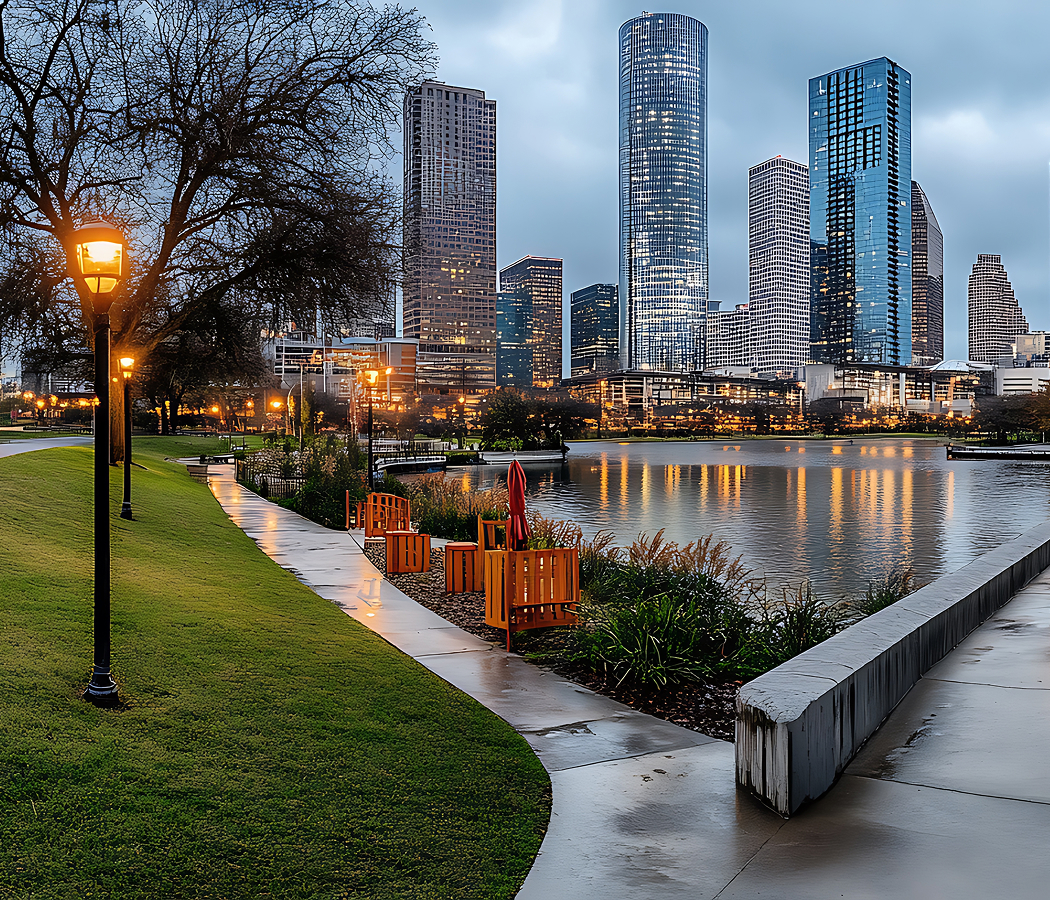
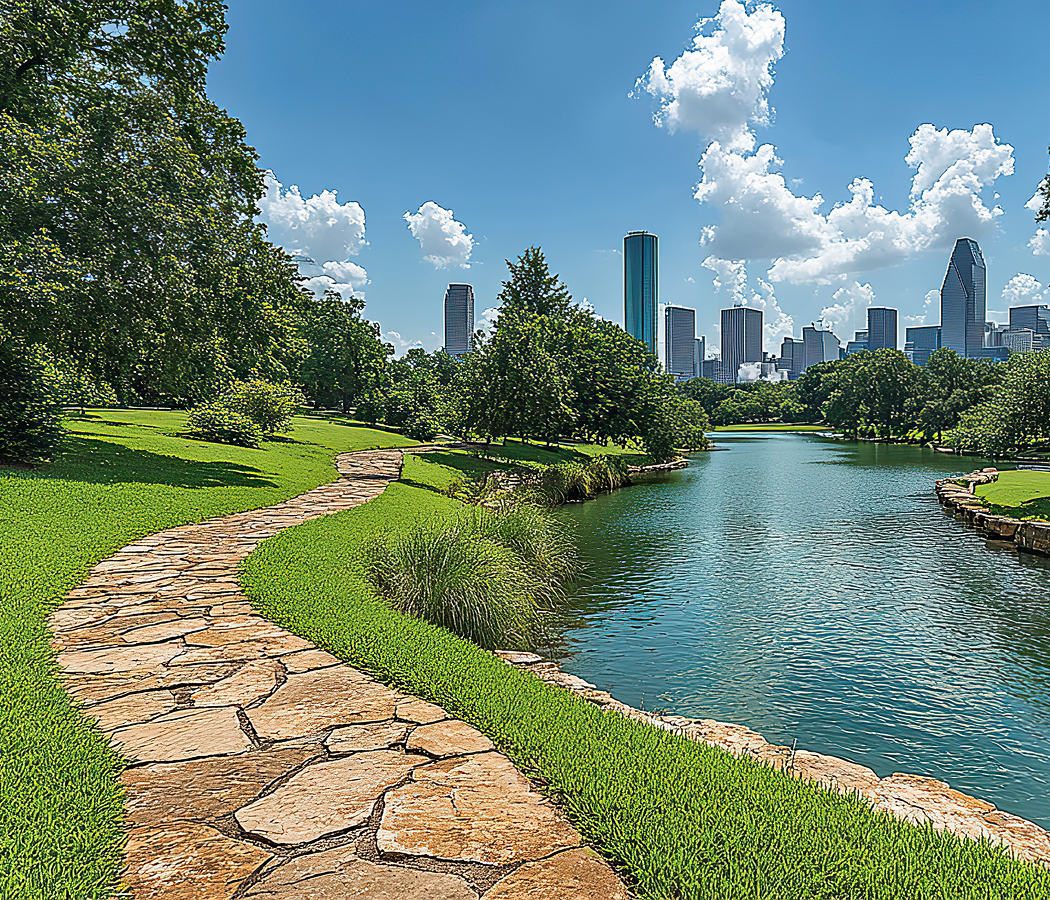
Running through Govalle between Rosewood and Montopolis, the street connects established neighborhoods, community institutions, creative businesses, parkland, and the Colorado River corridor that reflect generations of East Austin's cultural and economic evolution. Each successive stretch reveals mature pecan trees, historic industrial buildings, neighborhood parks, locally owned businesses, and contemporary community spaces that reinforce the corridor's unmistakable identity. The defining moment arrives as Robert T. Martinez Jr. Street demonstrates how public service, neighborhood investment, and cultural continuity continue shaping one of East Austin's defining corridors. The result is an experience defined by civic legacy, community character, and one of Govalle's most rewarding streets.
What defines Robert T. Martinez Jr. Street.
Robert T. Martinez Jr. Street is best known for honoring Robert T. Martinez Jr. 1934-2015), a longtime East Austin civic leader who became Austin's first Hispanic mayor pro tem after serving on the Austin City Council from 1979 to 1993, where he championed neighborhood revitalization, public parks, affordable housing, and expanded representation for Hispanic communities. The corridor traverses Govalle, a neighborhood established during the late nineteenth and early twentieth centuries as railroad expansion, agricultural land subdivision, and industrial growth along the Missouri Pacific Railroad encouraged residential development east of Downtown. The surrounding streets preserve Craftsman bungalows, style cottages, Ranch residences, masonry industrial buildings, timber warehouses, painted brick commercial structures, and mature live oak and pecan canopies that collectively document more than a century of architectural evolution. Nearby civic resources include Govalle Neighborhood Park, the Southern Walnut Creek Trail, and Richard Moya Park, while the corridor also maintains direct access to the Colorado River and the regional trail network connecting East Austin with Lady Bird Lake. Native live oak, cedar elm, pecan, Mexican sycamore, Texas mountain laurel, inland sea oats, and native prairie grasses reinforce the corridor's ecological character within the Colorado River watershed. Collectively, the corridor's civic commemoration, railroad heritage, architectural diversity, recreational infrastructure, and environmental setting establish Robert T. Martinez Jr. Street as one of Govalle's defining corridors.
Adjacent to the corridor, Richard Moya Park, dedicated in 1988, commemorates Richard Moya, the first Mexican American elected to the Travis County Commissioners Court, while preserving athletic facilities, open space, and direct access to the Colorado River. Nearby, the Govalle Wastewater Tunnel, completed by Austin Water in 2020, modernized regional wastewater infrastructure beneath the neighborhood while minimizing long-term impacts to surface streets and parkland. The nearby Lyndon B. Johnson High School, established in 1974, has served generations of East Austin families while supporting athletics, performing arts, and community programming throughout the Govalle area. Together, these civic investments, public facilities, and neighborhood institutions demonstrate how Robert T. Martinez Jr. Street reflects a corridor where public leadership, infrastructure, and community character continue reinforcing one another.
How Robert T. Martinez Jr. Street fits.
Robert T. Martinez Jr. Street works as an exploration of East Austin's civic history, riverfront landscapes, and cultural heritage.
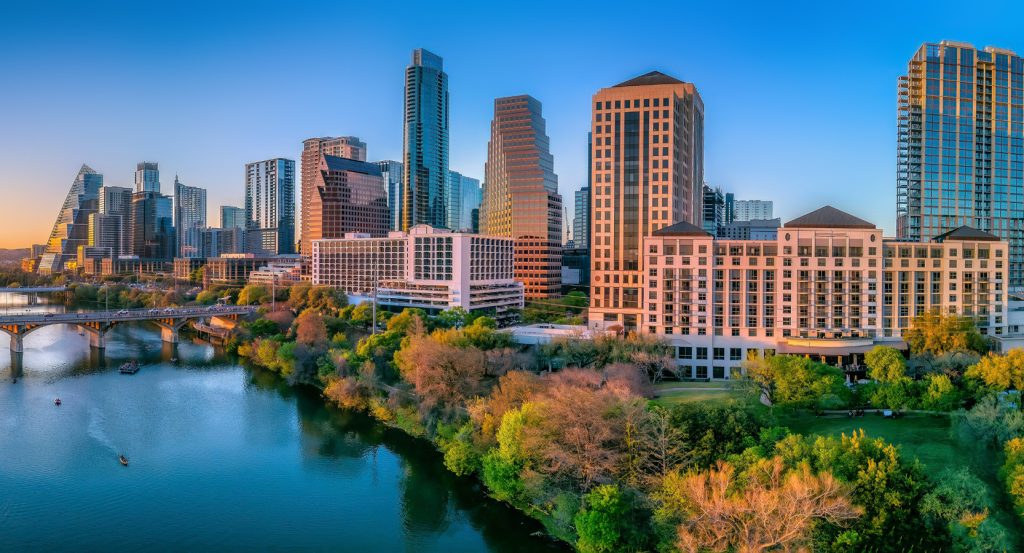
Begin at Govalle Neighborhood Park, where athletic fields, shaded green space, and neighborhood gathering areas establish the community character surrounding Robert T. Martinez Jr. Street while introducing one of East Austin's longstanding public parks. Continue to Lady Bird Lake, where riverfront trails, skyline views, and recreational opportunities deepen the experience before guiding the journey toward its historical conclusion. Conclude at French Legation State Historic Site, where the restored nineteenth-century residence and preserved grounds provide the historical payoff by illuminating Austin's earliest years as the capital of the Republic of Texas. The progression moves naturally from neighborhood life to Austin's defining waterfront before culminating in one of the city's foundational historic landmarks.
Where your story begins.
Foresyte Travel reveals places that feel extraordinary long before you arrive.
Enjoy editorial crafted for luxury travelers.
Foresyte may earn a commission when you book.