Why you should experience Rosa Parks Plaza in Dallas, Texas.
Rosa Parks Plaza is a quiet downtown civic space where reflection, history, and the constant movement of the city intersect beneath the shadow of Dallas's modern skyline.
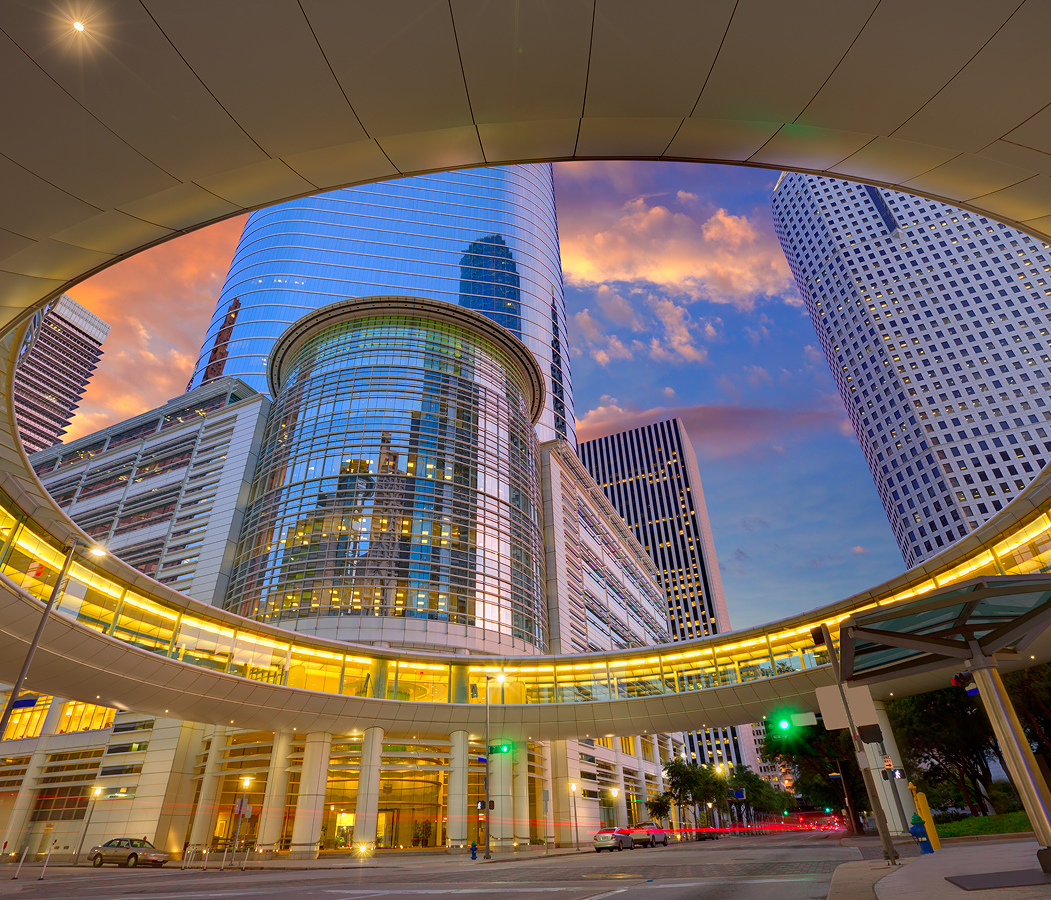
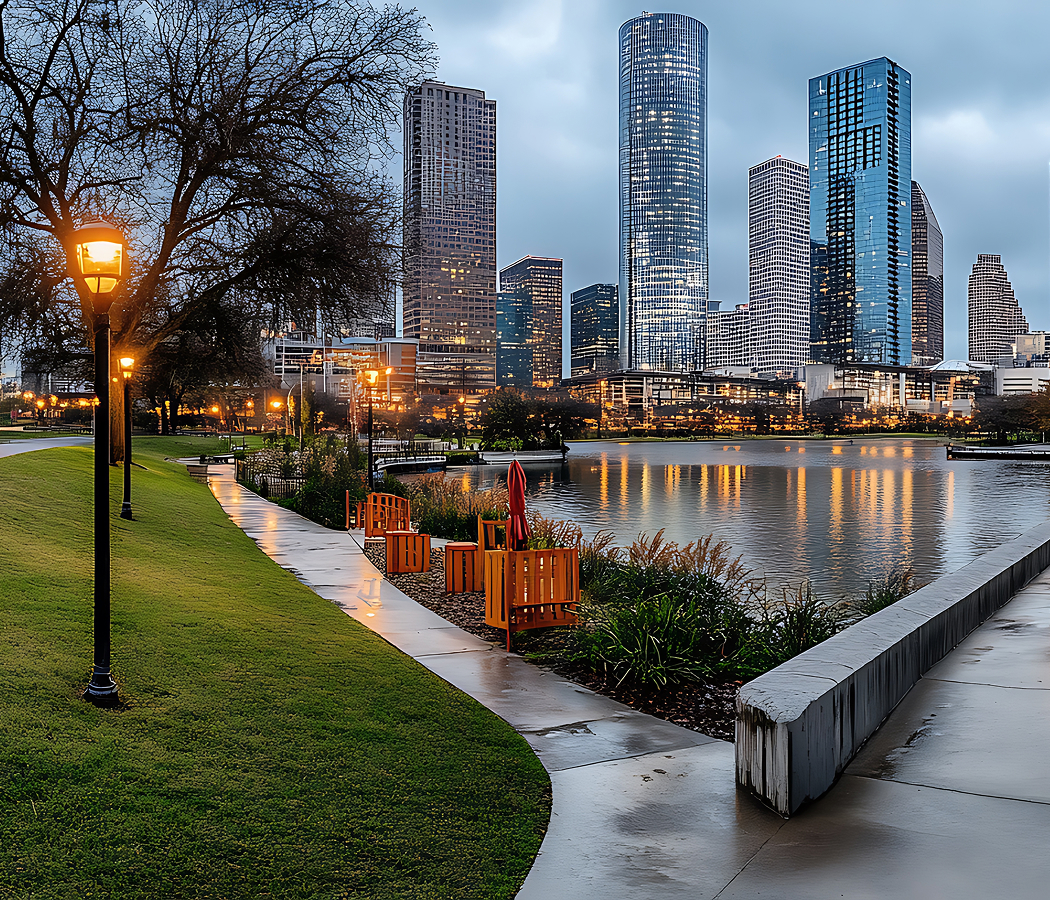
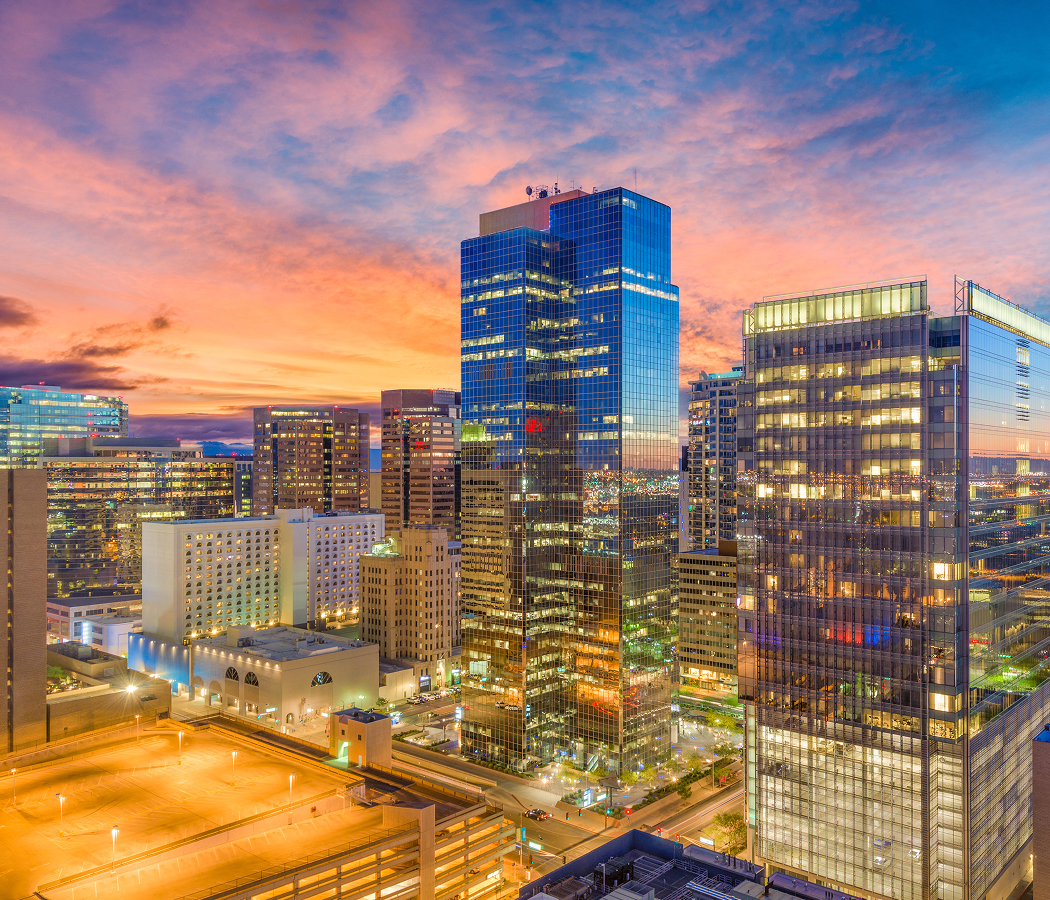
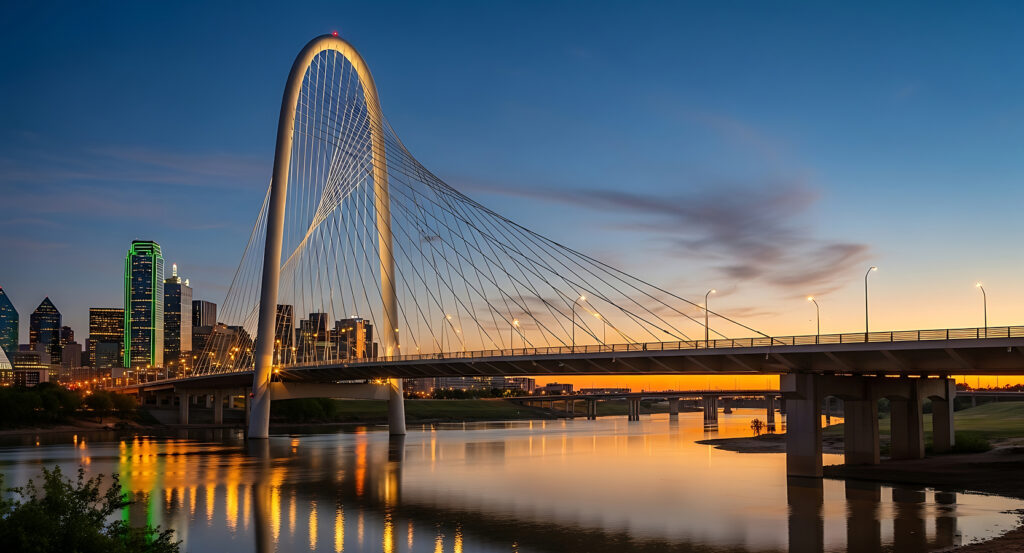
Set along Elm Street near N Lamar Street and just steps from Dealey Plaza, this modest urban plaza carries a contemplative atmosphere shaped less by performance and more by the symbolic weight of the name it honors. The space moves at the rhythm of downtown itself, office workers crossing through during lunch hours, visitors drifting between nearby historic landmarks, traffic echoing softly beyond rows of trees and concrete seating areas. Rosa Parks Plaza does not overwhelm with grand landscaping or grand scale. Its presence is quieter, functioning as a pause within the density of Central Dallas, a reminder that public spaces can carry meaning simply through dedication and location. Surrounded by the layered architecture of downtown, glass towers beside preserved brick facades, the plaza feels grounded in the civic character of the city.
What you should know about Rosa Parks Plaza.
Rosa Parks Plaza reflects the broader tradition of American civic spaces dedicated to honoring figures whose influence reshaped public life through courage, resistance, and moral clarity.
Named after Rosa Parks, whose refusal to surrender her bus seat in Montgomery became one of the defining acts of the Civil Rights Movement, the plaza exists as a subtle but important thread within Downtown's network of public gathering spaces and historical touchpoints. Its location near Dealey Plaza places it within one of the city's most historically layered corridors, where conversations around leadership, justice, public memory, and national character naturally converge. The design remains intentionally functional and accessible rather than heavily ornamental, offering benches, open walkways, shaded sections, and room for small gatherings or quiet moments away from the surrounding pace of downtown streets. What distinguishes Rosa Parks Plaza is not architectural grandeur but contextual significance. The space serves as a civic acknowledgment woven directly into the urban landscape, reinforcing how public memory often lives through everyday places.
How to fold Rosa Parks Plaza into your trip.
Rosa Parks Plaza works as a reflective stop woven into a broader exploration of Downtown and its historic core.
Approach the plaza slowly while walking through the West End Historic District or after visiting nearby Dealey Plaza, allowing the surrounding architecture and civic landmarks to frame the quieter tone of the space itself. Spend a few minutes sitting beneath the trees or along the plaza's seating areas, letting the movement of downtown unfold around you while the historical significance of the location settles more gradually. The experience here is less about structured sightseeing and more about perspective, a chance to pause between museums, restaurants, and busy city streets. Continue afterward through the surrounding downtown corridors, where historic buildings, public art, and modern development intersect block by block in ways that reveal Dallas as a city negotiating memory and momentum. Rosa Parks Plaza adds a thoughtful, understated layer to that experience, one rooted in reflection, civic history, and the enduring importance of public space.
Where your story begins.
Foresyte Travel reveals places that feel extraordinary long before you arrive.
Experience premium editorial crafted for luxury travelers.