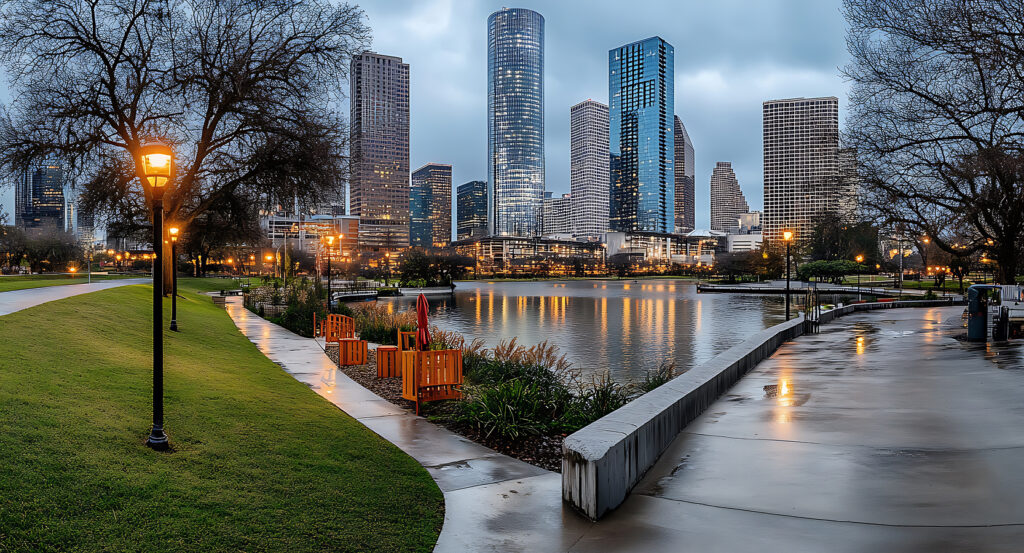
Why you should experience Rutland Street in Houston, Texas.
Rutland Street is a graceful corridor where Houston Heights' architectural heritage, neighborhood continuity, creative spirit, and enduring residential character converge along one of Houston's most distinctive streets.
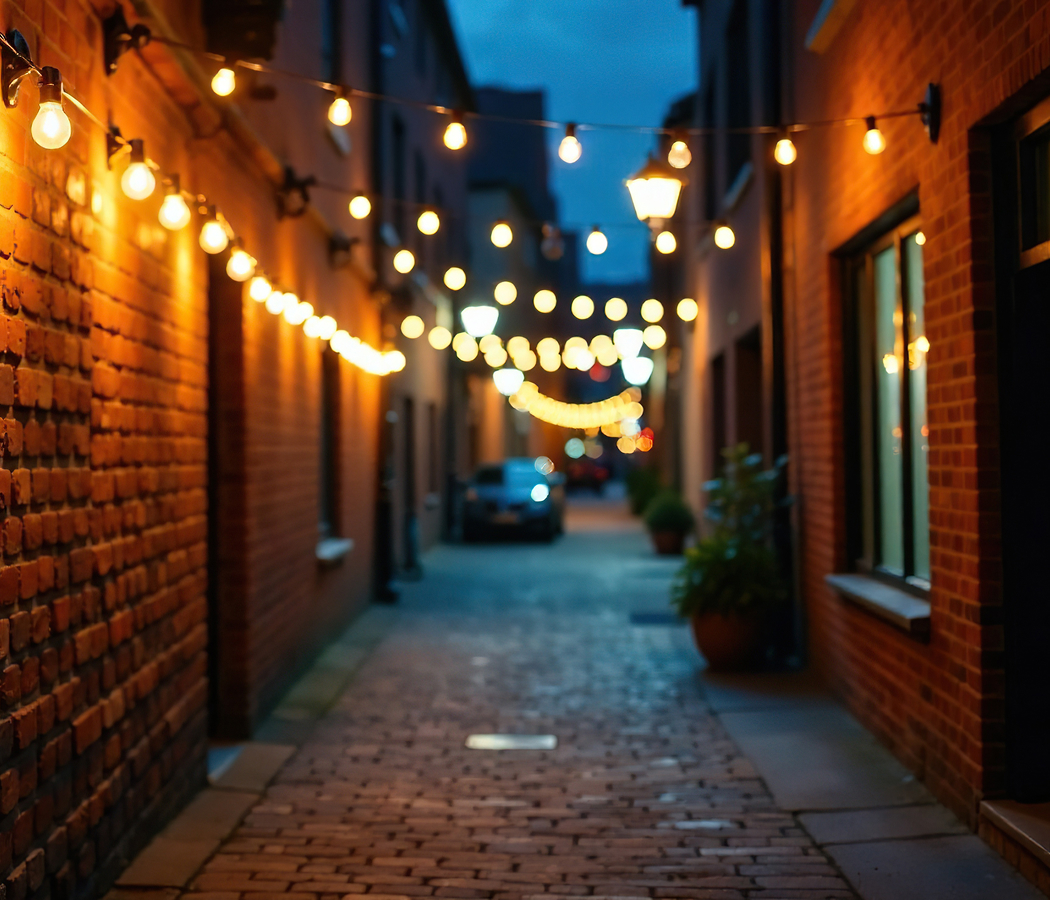
Running through The Heights between Lazybrook / Timbergrove and Greater Heights, the corridor connects preserved residential blocks, neighborhood commercial districts, public green spaces, and cultural destinations that collectively reflect one of Houston's earliest planned suburban communities. Mature live oaks, historic bungalows, broad setbacks, and tree-lined sidewalks create a streetscape where more than a century of neighborhood evolution remains readily visible. Thoughtful preservation has retained the corridor's architectural character while accommodating contemporary investment that respects its historic fabric. The result is an experience defined by architectural richness, historical continuity, and one of The Heights' most engaging corridors.
What you should know about Rutland Street.
Rutland Street is best known for extending through The Heights, a community established in 1891 by the Omsby Investment Company, whose development introduced one of Texas' earliest planned streetcar suburbs northwest of Downtown. Residential construction accelerated between the 1890s and the 1930s, producing an exceptional concentration of Queen Anne, Craftsman, Colonial Revival, American Foursquare, and Prairie School residences that continue defining the neighborhood's architectural identity. Expansion of Houston's electric streetcar system strengthened the corridor's residential appeal by linking The Heights with Houston's commercial center, encouraging sustained growth while preserving a walkable street pattern characterized by generous setbacks, narrow lots, and tree-lined avenues. The Houston Heights Historic District, listed on the National Register of Historic Places in 1983, recognizes hundreds of contributing buildings whose original wood siding, decorative millwork, wraparound porches, and historic rooflines document the area's principal era of development. Continued preservation by homeowners and neighborhood organizations has retained one of Houston's largest collections of late nineteenth- and early twentieth-century residential architecture. Collectively, the corridor's planned origins, streetcar heritage, architectural diversity, historic designation, and residential continuity establish Rutland Street as one of Houston's defining historic corridors.
Along the corridor, All Saints Catholic Church, dedicated in 1908, became one of the earliest permanent religious institutions serving The Heights, reinforcing Rutland Street's longstanding relationship with neighborhood life through more than a century of continuous congregation. That architectural tradition extends to nearby Heights Fire Station No. 14, completed in 1914, whose brick construction and restrained Classical detailing reflect the civic investment accompanying the community's early twentieth-century growth. The surrounding Milroy Park, named for former Houston mayor Roy G. Milroy, preserves mature live oaks, recreational grounds, and open green space that continue reinforcing the residential setting established during the neighborhood's formative decades. Together, these historic institutions, early civic buildings, and preserved neighborhood landscapes demonstrate how Rutland Street developed within a corridor whose architectural character is strengthened by equally enduring religious, civic, and community traditions.
How to fold Rutland Street into your trip.
Rutland Street works as an exploration of Houston's neighborhood history, artistic expression, and architectural heritage.
Begin at Art Car Museum, where inventive automotive sculptures and contemporary installations introduce Houston's longstanding commitment to independent artistic expression. Continue to The Heights Theater, where the restored 1920 venue reflects the neighborhood's enduring cultural life through its carefully preserved architecture and nationally recognized performance program. Conclude at Bayou Bend Collection and Gardens, where American decorative arts, historic architecture, and formal gardens provide the historical payoff by connecting The Heights' residential heritage with Houston's broader architectural story. The progression moves naturally from contemporary creativity through neighborhood cultural history before concluding with one of the city's finest historic estates.
Where your story begins.
Foresyte Travel reveals places that feel extraordinary long before you arrive.
Experience premium editorial crafted for luxury travelers.