
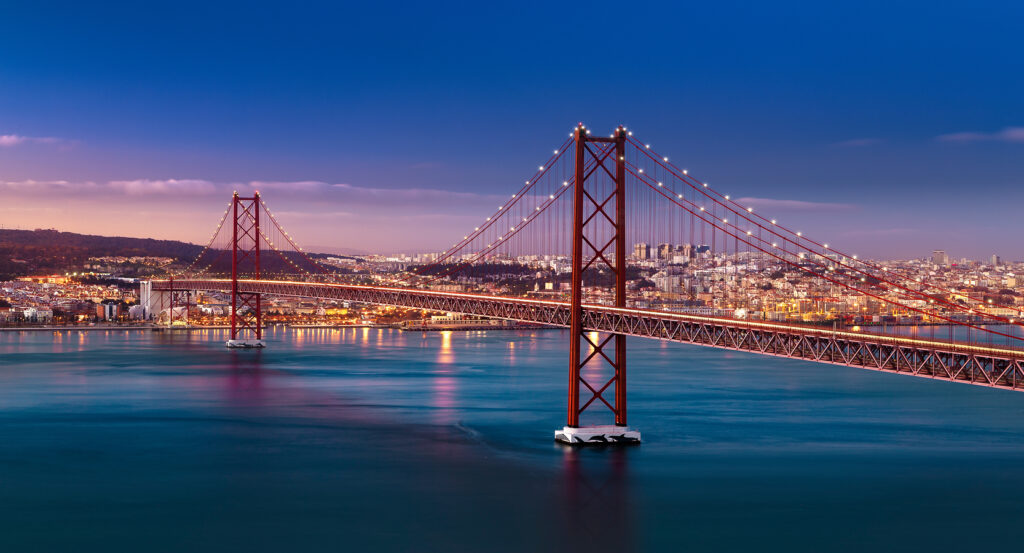
Why you should experience Santo Antonio in Lisbon, Portugal.
Santo Antonio is the elegant heart of modern Lisbon, where grand boulevards, luxury shopping, and historic landmarks converge within one of the city's most prestigious and influential districts.
Tree-lined avenues, stately architecture, luxury hotels, cultural institutions, public gardens, and energetic commercial corridors create a neighborhood that captures the sophistication of the Portuguese capital. Centered around the transformative urban planning initiatives that followed the devastating 1755 earthquake, the district became a showcase of Lisbon's modernization and civic ambition. Over time, government institutions, prominent businesses, and cultural landmarks established themselves within its boundaries, helping shape the city's contemporary identity. Today, visitors encounter a refined urban landscape that balances historic significance with cosmopolitan energy. The result is a neighborhood that feels polished, thriving, and unmistakably central to Lisbon's character. To the south, Baixa's grand squares and historic commercial streets extend naturally from Santo Antonio toward the Tagus River, reinforcing the neighborhood's position within one of Europe's most celebrated urban centers. Every boulevard, plaza, and architectural landmark reflects a neighborhood shaped by resilience, elegance, and progress.
What you should know about Santo Antonio.
Santo Antonio is best known for being home to Avenida da Liberdade, Portugal's most prestigious boulevard and the country's premier destination for luxury retail, hospitality, and urban culture.
Inspired by the grand avenues of Paris, the boulevard was developed during the nineteenth century as Lisbon expanded beyond its historic core. Its broad promenades, landscaped medians, elegant architecture, and luxury storefronts helped establish it as one of the most important civic and commercial corridors in Portugal. Over generations, the avenue became synonymous with prestige, attracting leading international brands, luxury hotels, theaters, and cultural institutions. Today, it remains one of Lisbon's most recognizable landmarks and a symbol of the city's cosmopolitan identity. Few streets in Portugal possess such a strong association with elegance, influence, and urban sophistication.
How to fold Santo Antonio into your trip.
Santo Antonio works as an exploration of the grand boulevards, cultural landmarks, and historic public spaces that define one of Lisbon's most distinguished districts.
Begin at Avenida da Liberdade, where the neighborhood's defining connection to prestige and urban elegance immediately comes into focus. Continue toward Marques de Pombal Square, whose grand scale and historical significance reveal the visionary urban planning that shaped modern Lisbon. From there, make your way to Eduardo VII Park, where sweeping city views, landscaped gardens, and public gathering spaces provide a broader perspective on the district's civic and cultural importance. Along the route, you'll encounter luxury boutiques, neighborhood cafés, historic theaters, public plazas, cultural institutions, architectural landmarks, and scenic promenades that showcase the neighborhood's remarkable depth. The progression moves naturally from iconic boulevard to civic monument to panoramic parkland, revealing the forces that shaped the neighborhood. Santo Antonio remains one of Europe's most rewarding urban districts, preserving a remarkable balance between historical significance, contemporary sophistication, and everyday city life.
Where your story begins.
Foresyte Travel reveals places that feel extraordinary long before you arrive.
Experience premium editorial crafted for luxury travelers.














































































































