Why you should experience Sheraton Philadelphia University City Hotel in Philadelphia, Pennsylvania.
Sheraton Philadelphia University City Hotel is purposeful comfort aligned with academic energy, professional momentum, and real-world pace, a hotel that doesn't aim to be decoration, but to be functional, composed, and reliably supportive for travelers who want Philadelphia to feel navigable.
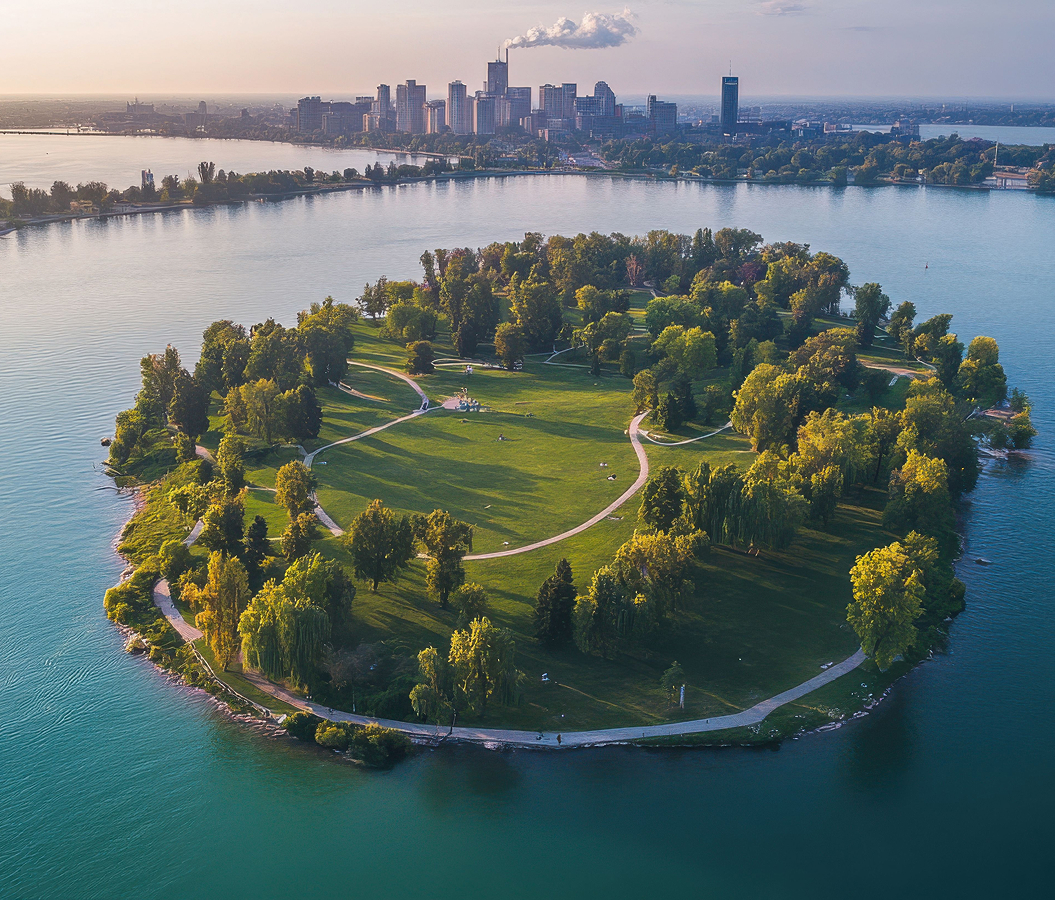
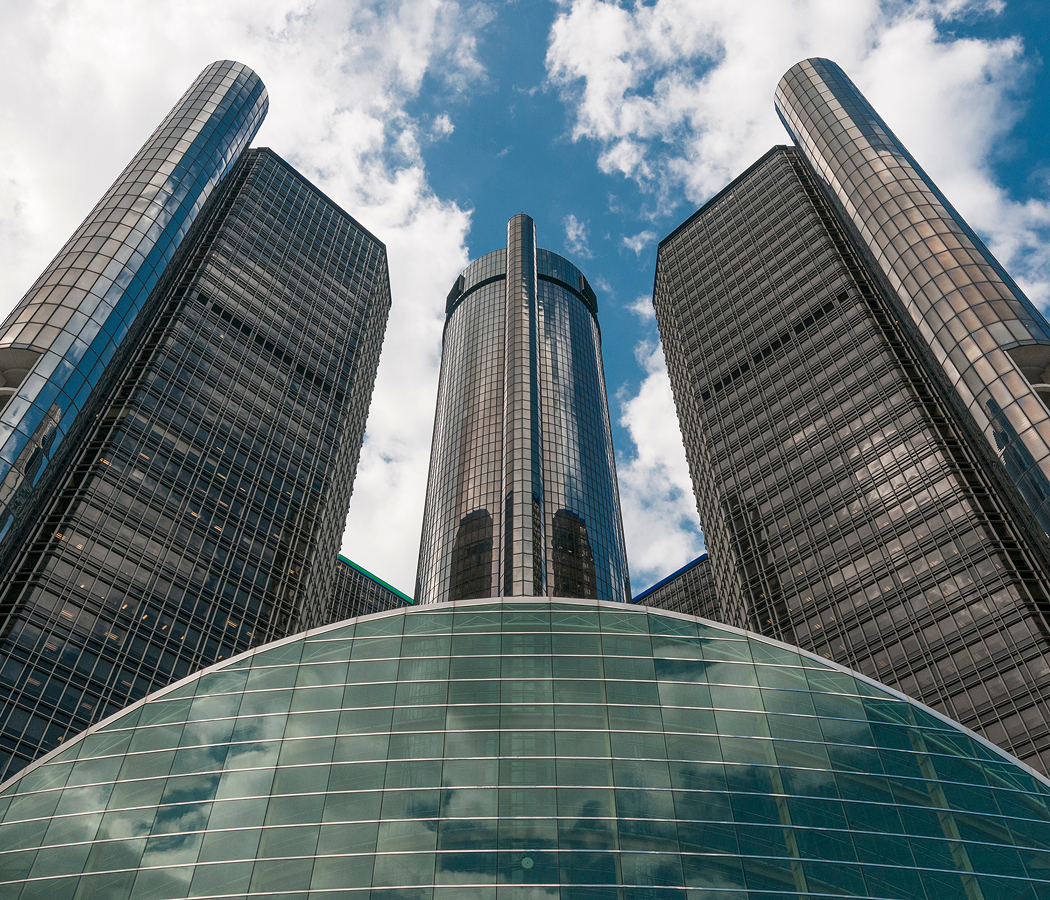
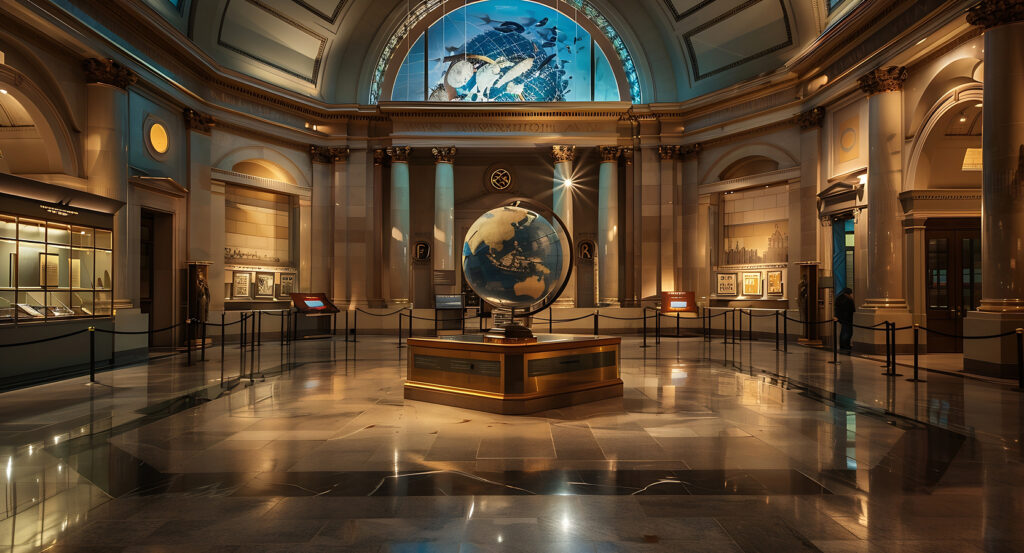
Located in University City, among Philadelphia's most active intellectual and innovation districts, this hotel sits at the crossroads of university life, medical campuses, research institutions, transit corridors, and evolving cultural neighborhoods. Arrival feels like stepping into the city's connective tissue rather than into a separate hospitality realm. The exterior, while sober and architectural, signals capability without spectacle; it's the kind of structure that seems built to work first and impress second. Once inside, the hotel unfolds with disciplined clarity. Interiors lean toward modern restraint: balanced color palettes, quality materials, and lighting designed for clarity and comfort. Public areas are organized for flow. Long sightlines, functional circulation, and thoughtful lighting support orientation, so that moving from check-in to elevator to lobby lounge never feels disjointed or confusing. This environment feels especially appropriate in University City, where students, academics, professionals, and travelers converge with purpose. Guest rooms follow the same logic. Layouts are generous and well proportioned, allowing space to work, rest, and regroup. Beds are designed for dependable rest, not showy luxury, but consistently comfortable whether you're here for one night or one week. Lighting is layered and practical, supporting early productivity as smoothly as evening decompression. Windows frame context honestly, university buildings, tree-lined streets, or distant skyline views, placing you in the city. Bathrooms are modern, functional, and well lit, emphasizing water pressure, surface continuity, and ease of use. Sound insulation is effective, keeping the city's buzz at bay while allowing a sense of place to remain evident. Service at Sheraton Philadelphia University City Hotel is polished, respectful, and unobtrusive. Interactions are grounded in professionalism rather than performance, making every touchpoint feel supportive rather than scripted. Staff assistance feels reliable and situationally smart, offering help when needed, space when not, which aligns with the hotel's overall character of support. Staying here feels like choosing capability over flash, placement over pretense, and a hotel that facilitates your momentum rather than distracting from it, making Sheraton University City an especially compelling base for travelers who want Philadelphia to feel organized, approachable, and genuinely usable.
What you should know about Sheraton Philadelphia University City Hotel.
Sheraton Philadelphia University City Hotel treats hospitality as a service system first and an aesthetic object second, and this mindset gives the property a rare blend of stability and adaptability that many downtown hotels struggle to deliver.
University City is not a traditional tourist district. It is a district of daily life, academic calendars, research cycles, hospital rhythms, business travel, commuting patterns, student routines, community movement, and neighborhood culture. Designing a hotel to operate well in that context requires decisions that prioritize pragmatism, repeat usability, and human coherence over trend-driven design or performance. Architectural and interior choices reflect that priority. Public spaces are intentionally calm and legible, avoiding thematic clutter or visual extravagance that can fatigue guests over time. Furnishings are durable and comfortable, materials wear well, and circulation is clear. Renovations emphasize infrastructure improvements, lighting balance, climate control, connectivity, acoustics, because these elements matter consistently across different guest profiles. For long-stay guests, business travelers, visiting faculty, medical visitors, or conference attendees, this operational reliability becomes an asset. The hotel's location deepens its functional identity. Positioned near the University of Pennsylvania, Drexel University, the Children's Hospital of Philadelphia, Penn Medicine campuses, and major transit hubs, the property sits at a center of institutional movement and cross-sector engagement. This makes it a preferred choice for academics, professionals, medical travelers, and repeat visitors who value centers of activity more than tourist zones. Staff culture reflects this orientation. Service is engineered to be contextual rather than ceremonial, responsive rather than performative. Interactions are shaped by time efficiency, local fluency, and genuine usefulness, giving directions, optimizing schedules, supporting luggage logistics, and advising on transit as naturally as one might in a professional workspace. Assistance feels productive. In a hospitality world where many hotels layer visual character on top of functional systems, Sheraton Philadelphia University City Hotel reverses that priority: function supports identity, making the property feel dependable rather than ephemeral, and reliably comfortable rather than flashy.
How to fold Sheraton Philadelphia University City Hotel into your trip.
Sheraton Philadelphia University City Hotel works as an operational base camp and movement hub, particularly for travelers whose time in Philadelphia involves multiple layers, work, family, culture, medical visits, academics, or extended-stay agendas.
Days here begin with clarity. Step outside and you are immediately in a neighborhood that feels legible and navigable. Transit stops, university buildings, cafés, research institutions, and medical campuses are all reachable on foot or via short transit rides, making morning planning intuitive. From this base, Philadelphia's broader corridors, Center City, historic Old City, the Museum District along the Parkway, and waterfront zones, extend outward with predictable access. Midday returns to the hotel are genuinely restorative, not just convenient. The architecture and interior rhythm support decompression between sessions of exploration, work, or meetings. Rather than feeling like an interruption, returning to your room feels like a predictable pause, a chance to reset without engaging physical overload. Afternoons can then unfold through structured objectives or unstructured wandering, museum visits, business meetings, lunches, or neighborhood meanders, all anchored by the knowledge that your base remains comfortable, accessible, and composed. Evenings at Sheraton University City feel seamlessly integrated. Dining nearby, attending events, or heading into Center City for dinner and nightlife are all equally viable options, and returning to the hotel feels easy. Over multiple nights, familiarity with the space becomes an asset. You stop orienting consciously and start inhabiting the city's rhythm with intention. The hotel becomes less a backdrop and more a structure that supports your momentum. Extended stays reveal another layer of value: how the environment encourages functional balance, engaging with the city without exhaustion, structuring days without chaos, and moving toward goals without friction.
Where your story begins.
Foresyte Travel reveals places that feel extraordinary long before you arrive.
Experience premium editorial crafted for luxury travelers.