
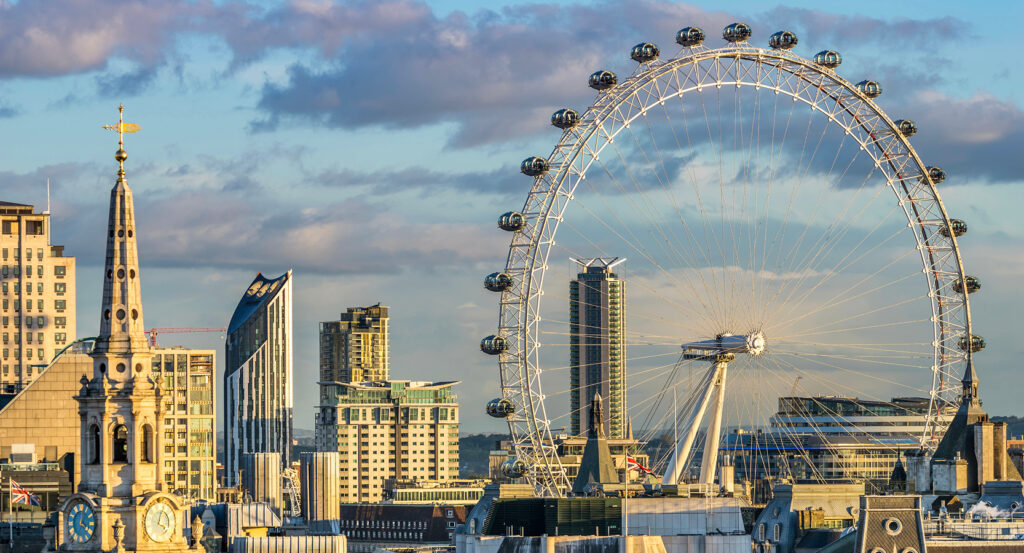
Why you should experience Sloane Place in London, England.
Sloane Place is a spirited boutique hotel where Chelsea's independent social culture, women's institutional history, Victorian character and contemporary design converge within the long-standing world of The Sloane Club.
Set along Lower Sloane Street near Sloane Gardens and just steps from Sloane Square, the hotel was carved from a five-storey red-brick building adjoining The Sloane Club, an institution founded in 1922 to provide accommodation and community for former servicewomen after the First World War. The club evolved from the Service Women's Club through the Helena Club before becoming The Sloane Club in 1976, carrying a history shaped by women's independence and Chelsea social life into the hotel's immediate architectural setting. Queensway acquired The Sloane Club in 2017 and subsequently separated part of the property to create Sloane Place, commissioning JSJ Design to turn previously interconnected club spaces into an independent hotel, restaurant and bar. The result is a hotel where The Sloane Club, Queensway and JSJ Design translate Chelsea's century-old tradition of independent social hospitality into a contemporary public address.
What you should know about Sloane Place.
Sloane Place is best known for opening in 2019 after JSJ Design began an extensive remodeling of part of The Sloane Club in February 2018, completing the project in May 2019 as a 27-bedroom boutique hotel, café-bar, restaurant and subterranean Hideaway. JSJ Design converted spaces drawn from 30 former club bedrooms and underused meeting rooms into 15 bedrooms with ensuite bathrooms, 13 suites and new hospitality spaces, while designer Simeon Thompson developed bespoke geometric carpet patterns and a wider interior language combining timber paneling, brass, glass, teal and saturated blue and yellow textiles. The design team embedded Chelsea history into the visual character through hand-drawn Broom motifs, referencing the plant historically associated with the area and represented on the Royal Borough of Kensington and Chelsea coat of arms. A 50-seat café-bar became the principal social room, while a copper-topped fluted timber bar, antiqued mirrors, dentils, vaulted dining space and faceted-glass pendants established the darker architectural style of The Hideaway below. Executive chef Bernhard Mayer launched the original restaurant program after a three-decade career encompassing MICHELIN-starred restaurants, The Savoy and Four Seasons Hotel London at Park Lane, while former Groucho Club managing director Matt Hobbs joined the opening leadership team.
Bernhard Mayer gave the opening restaurant a culinary character built around European cooking inflected with Asian flavors, translating experience accumulated across international MICHELIN-starred kitchens into dishes including rare-grilled yellowfin tuna with olive peperonata, baked tofu red curry and a lobster-and-prawn burger with mango-chilli relish. The contemporary Sloane Place Restaurant has evolved toward a modern European brasserie format, while The Hideaway continues the original project's subterranean social dimension through cocktails, food and live music. A newer partnership with Chelsea Physic Garden connects the property with an institution founded by the Worshipful Society of Apothecaries in 1673, extending the hotel's relationship with Chelsea beyond hospitality into one of the district's oldest centers of scientific inquiry. Together, Bernhard Mayer, Matt Hobbs, Simeon Thompson, JSJ Design and Chelsea Physic Garden give Sloane Place a named creative and institutional network unusually substantial for a hotel of only 27 bedrooms.
How to fold Sloane Place into your trip.
Sloane Place works as the anchor for an afternoon tracing botanical science, military history and contemporary art through Chelsea.
Begin at Chelsea Physic Garden, founded by the Worshipful Society of Apothecaries on October 9, 1673 before establishing an international seed-exchange program in 1682, planting some of England's first cedars of Lebanon in 1685 and entering a defining new chapter when Sir Hans Sloane secured its future for the Apothecaries in 1722 and Philip Miller began his 50-year tenure overseeing the garden. Continue to National Army Museum, founded by Royal Charter on April 8, 1960, opened by Queen Elizabeth II at Sandhurst that July and transferred to its purpose-built Chelsea home beside Royal Hospital Chelsea in 1971 before reopening after a major transformation in 2017. Conclude at Saatchi Gallery, whose history began with Charles Saatchi's collection in 1985 and developed an international reputation for introducing emerging artists before the institution became a registered charity in 2019 at its Duke of York's Headquarters home on King's Road. The progression moves from the Apothecaries, Sir Hans Sloane and Philip Miller through the institutional preservation of British military history into Charles Saatchi's contemporary-art platform, revealing the scientific, social and creative institutions that have repeatedly shaped Chelsea around Sloane Place.
Where your story begins.
Foresyte Travel reveals places that feel extraordinary long before you arrive.
Experience premium editorial crafted for luxury travelers.














































































































