Why you should experience St. Charles Streetcar Line in New Orleans, Louisiana.
St. Charles Streetcar Line is a historic Uptown corridor where Uptown's architectural grandeur, transportation heritage, neighborhood continuity, and living history create the world's oldest continuously operating street railway.
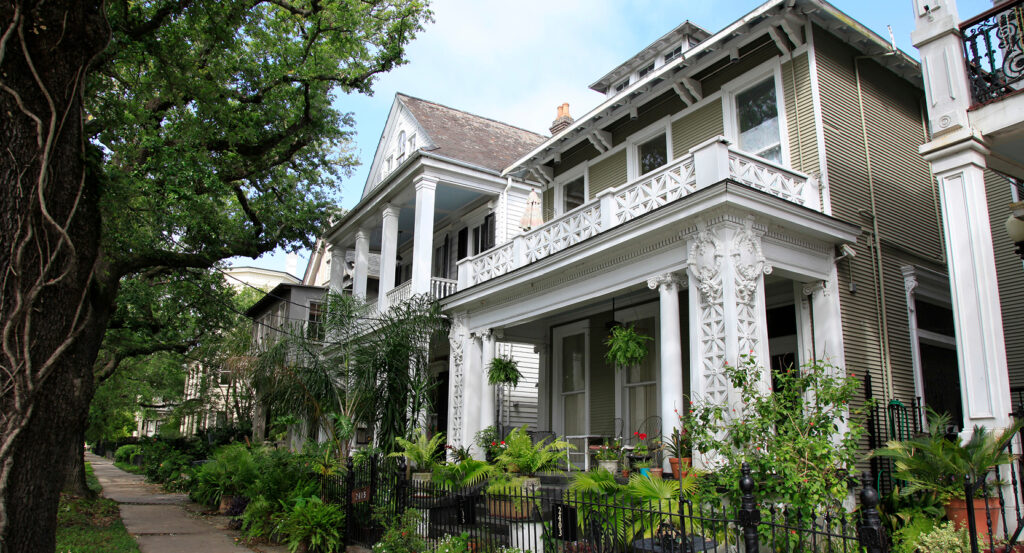
Running along St. Charles Avenue between Canal Street and South Carrollton Avenue, this celebrated transit corridor glides beneath centuries-old live oaks past the French Quarter, Central Business District, Lower Garden District, Garden District, Uptown, Audubon Park, and Tulane University aboard beautifully preserved Perley A. Thomas streetcars that have become enduring symbols of New Orleans. Every mile reveals a remarkable procession of Greek Revival mansions, universities, churches, parks, monuments, and civic landmarks while preserving one of the most authentic historic transit experiences anywhere in the world. The result is a corridor defined by engineering legacy, architectural splendor, and uninterrupted urban continuity.
What you should know about St. Charles Streetcar Line.
St. Charles Streetcar Line is best known for beginning service on September 26, 1835 as the New Orleans and Carrollton Railroad, making it the oldest continuously operating street railway in the world while documenting nearly two centuries of urban transportation history through uninterrupted passenger service. Chartered in 1833 to connect the City of New Orleans with the independent municipality of Carrollton, the line originally operated steam-powered railcars before converting to horse-drawn service in 1860 and becoming fully electrified in 1893, among the earliest major electric street railways in the United States. The corridor entered another defining chapter between 1922 and 1924 with the arrival of 173 Perley A. Thomas streetcars constructed in High Point, North Carolina, whose hand-crafted Honduras mahogany interiors, brass fittings, rattan seats, manually operated windows, and durable steel construction continue carrying passengers more than a century later after surviving hurricanes, modernization campaigns, and the nationwide disappearance of historic streetcar systems. Designated a National Historic Landmark in 2014, the line stretches 6.6 miles through multiple historic districts while serving internationally recognized landmarks including Gallier Hall, Lafayette Square, the Garden District, Buckner Mansion, Loyola University, Tulane University, Audubon Park, and Carrollton. Following extensive flood damage caused by Hurricane Katrina in 2005, crews meticulously restored tracks, overhead wires, substations, carbarns, and the historic Perley A. Thomas fleet before full service resumed in December 2007, preserving one of America's most significant living transportation landmarks for future generations.
The St. Charles Streetcar Line remains far more than a historic attraction because it continues performing the role for which it was created in the nineteenth century, carrying commuters, students, residents, and visitors through the evolving fabric of New Orleans every day. Riding beneath cathedral-like canopies of live oaks aboard century-old streetcars reveals an urban landscape where transportation, architecture, neighborhood identity, and civic history have remained inseparable for nearly two hundred years, creating an experience unmatched anywhere else in North America.
How to fold St. Charles Streetcar Line into your trip.
St. Charles Streetcar Line works as the defining journey through New Orleans' historic neighborhoods and architectural heritage.
Board the streetcar near Canal Street before following the full route beneath towering live oaks through the Central Business District, Lower Garden District, and Garden District, where generations of civic ambition, residential elegance, and preserved architecture unfold from the window of a century-old Perley A. Thomas car. Continue through Uptown past Loyola University, Tulane University, and Audubon Park as the avenue gradually transitions from grand nineteenth-century mansions to one of the city's most beloved green spaces. Finish in Carrollton, where the line's historic terminus demonstrates how nearly two centuries of continuous public transportation shaped the growth, character, and enduring character of New Orleans while preserving one of the world's greatest surviving street railway experiences.
Where your story begins.
Foresyte Travel reveals places that feel extraordinary long before you arrive.
Experience premium editorial crafted for luxury travelers.