Why Audubon Park matters.
Audubon Park is New Orleans' sanctuary of grace, rhythm, and green tranquility.
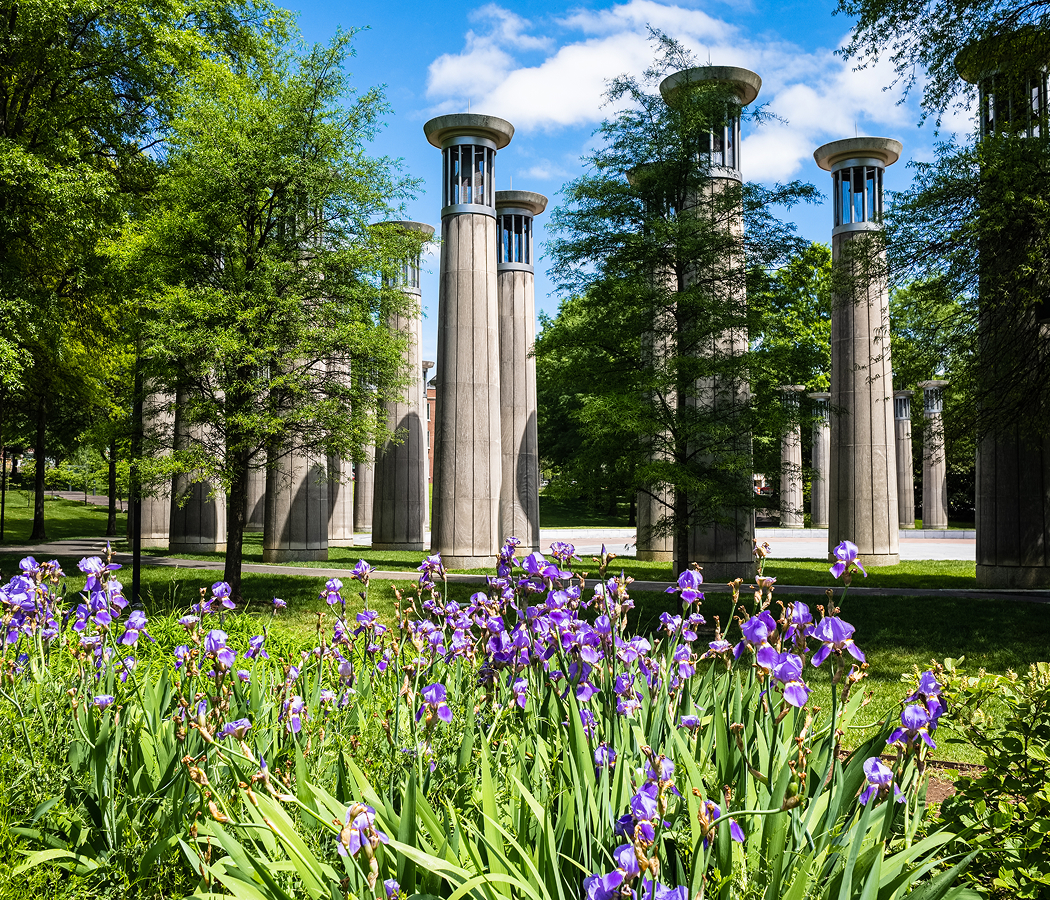
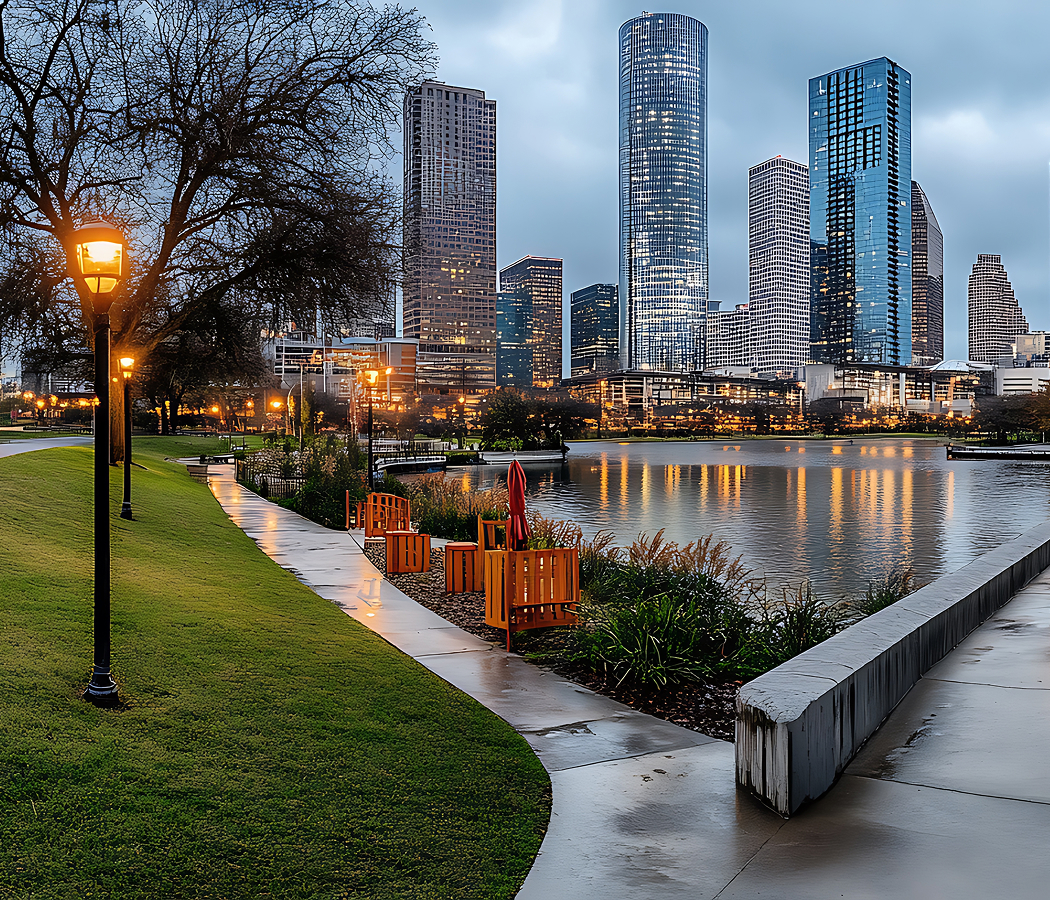
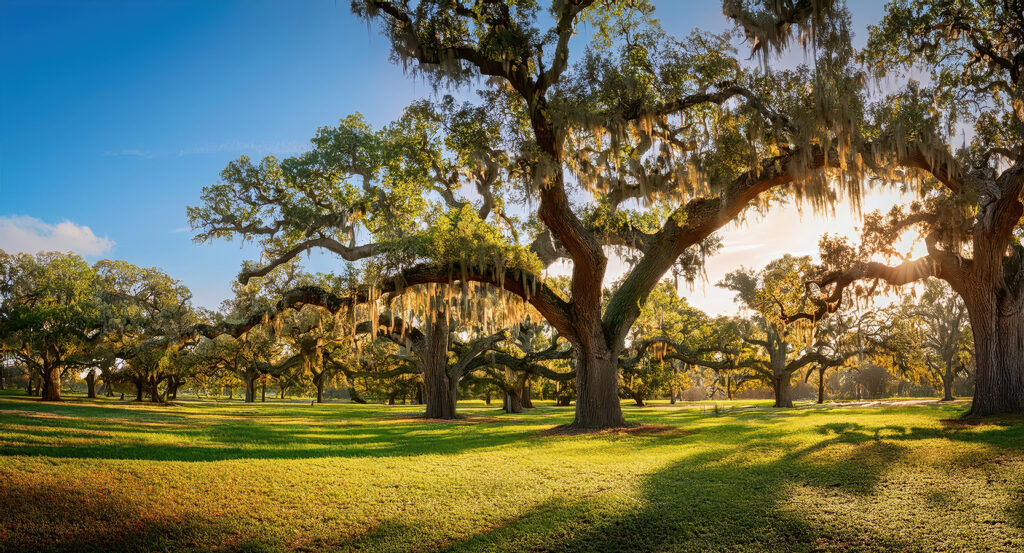
Stretching across more than 350 acres in the Uptown district, the park feels like a living poem, ancient oak trees arching overhead, sunlight filtering through moss, and the faint laughter of joggers, families, and students carried on the breeze from nearby Tulane and Loyola Universities. Designed in the late 19th century by the same landscape architects who shaped New York's Central Park, Audubon Park was built for both beauty and pause, a place where the city could breathe. Winding paths circle serene lagoons, golfers trace lazy arcs across emerald fairways, and cyclists glide past century-old bridges reflected in calm water. The park's crown jewel, the Avenue of the Oaks, offers one of the most breathtaking strolls in the South, a canopy of time itself, where each step feels suspended between past and present. Whether you're picnicking beneath the live oaks, watching egrets glide over the water, or simply sitting still with the hum of the city in the distance, Audubon Park reminds you that peace, in New Orleans, always carries a melody.
What defines Audubon Park.
Behind its timeless calm lies a story of transformation, resilience, and quiet grandeur.
The land that is now Audubon Park was once part of John McDonogh's vast plantation, later becoming the site of the 1884 World's Industrial and Cotton Centennial Exposition, a world's fair meant to showcase the South's economic rebirth. After the exposition closed, the grounds fell into decay until city leaders commissioned famed landscape architect John Charles Olmsted, son of Frederick Law Olmsted, to reimagine it. His design balanced open meadows, tree-shaded paths, and reflective waterways, creating one of the most graceful urban parks in America. Over the next century, the park became a centerpiece of local life, expanding to include the Audubon Zoo, golf course, and bird island sanctuary, a haven for migratory species that return year after year. During Hurricane Katrina, parts of the park flooded, but its century-old oaks stood firm, symbols of endurance that mirror the city's spirit. Today, the park is managed by the Audubon Nature Institute, ensuring that its beauty remains protected while continuing to serve as a refuge for both people and wildlife.
How Audubon Park fits.
To experience Audubon Park in its truest rhythm, move slowly, let the landscape set the tempo.
Start the morning along St. Charles Avenue, where the historic streetcar drops you at the park's edge beneath sweeping oak limbs. Walk or jog the 1.8-mile paved loop, pausing by the lagoons to watch herons, turtles, and ducks drift lazily across the water. Stop along the Avenue of the Oaks for a picnic or simply to lie back and watch the sunlight filter through the moss-draped canopy. If you're traveling with family, explore the nearby Audubon Zoo, among the finest in the country, or rent bikes for a leisurely ride from the park to the river levee, where you can watch barges roll down the Mississippi. Visit in spring for wildflowers and songbirds, or at sunset when the light turns golden and the air feels almost still. As you leave, listen, you might catch the faint sound of jazz floating from a distant porch. Audubon Park isn't just a respite within New Orleans, it's the city's softest voice, whispering that beauty, here, was always meant to be shared.
Where your story begins.
Foresyte Travel reveals places that feel extraordinary long before you arrive.
Enjoy editorial crafted for luxury travelers.
Foresyte may earn a commission when you book.