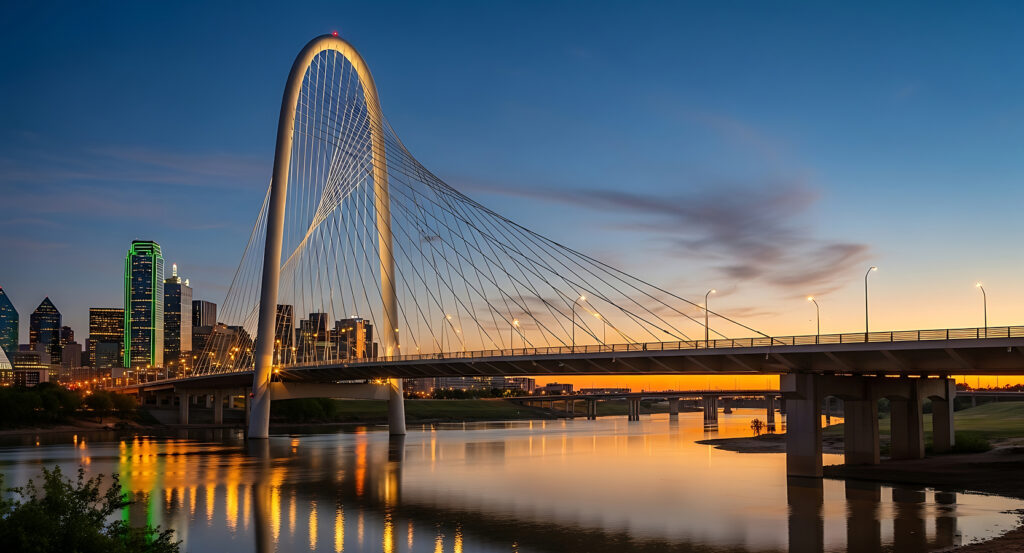
Why you should experience Sulphur Street in Dallas, Texas.
Sulphur Street is a historic South Dallas corridor where industrial heritage, neighborhood renewal, and community character converge along one of the area's enduring local streets.
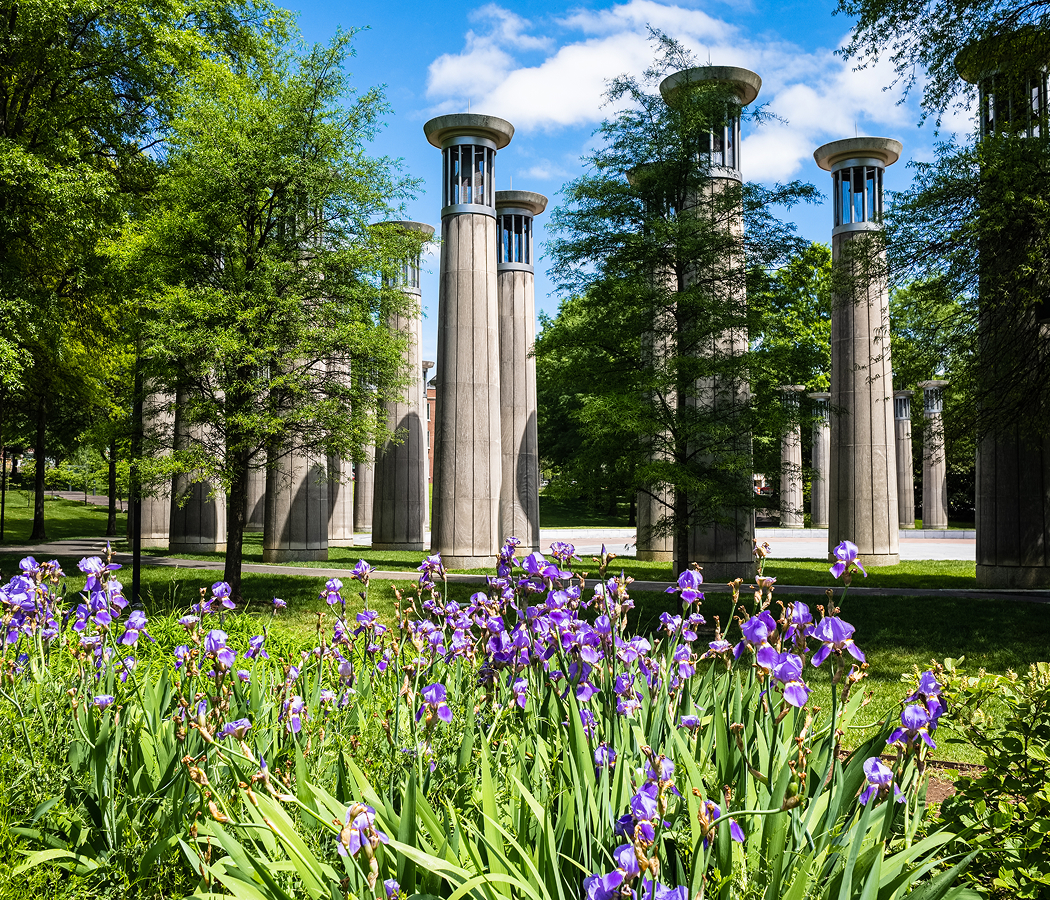
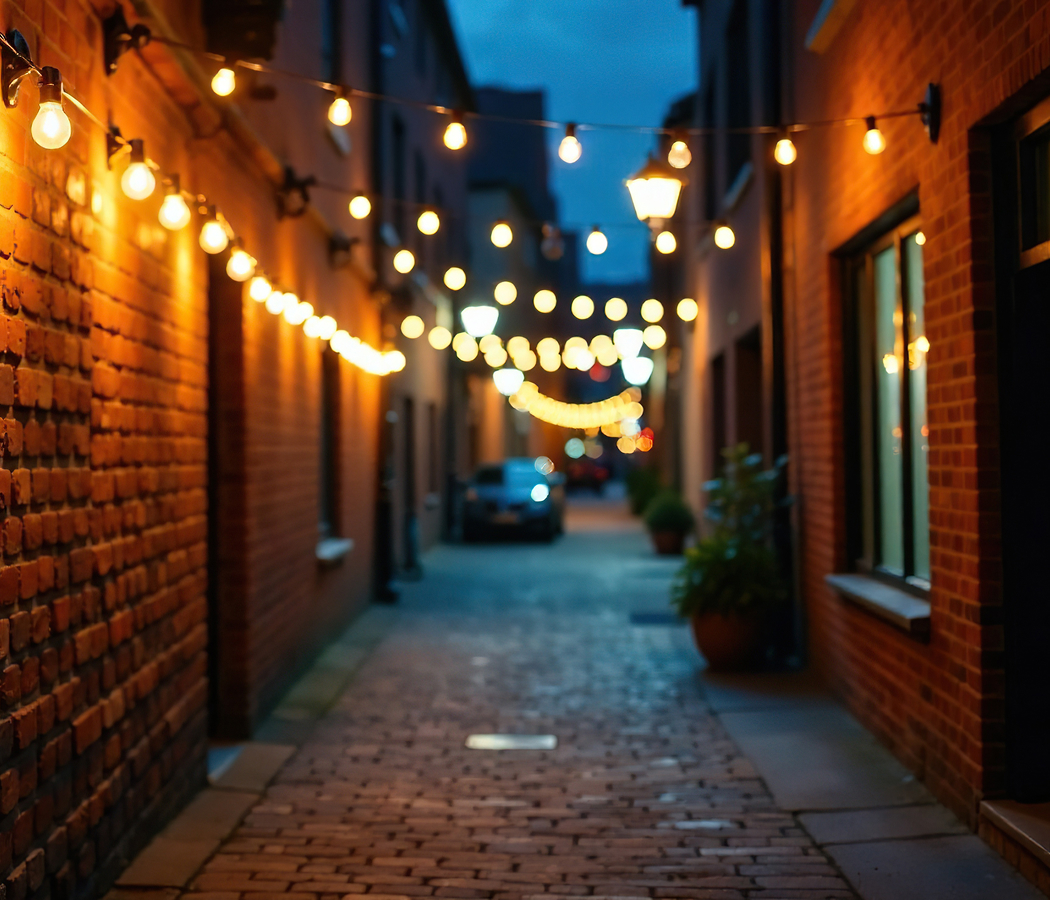
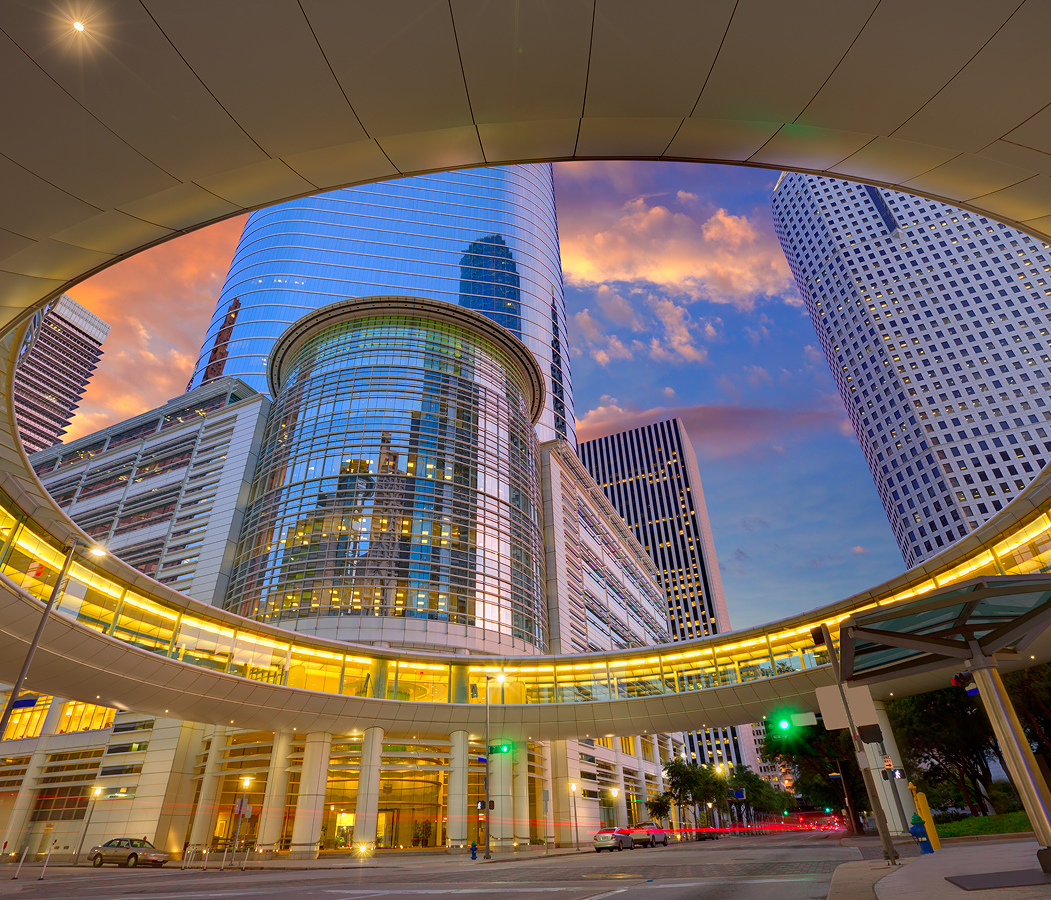
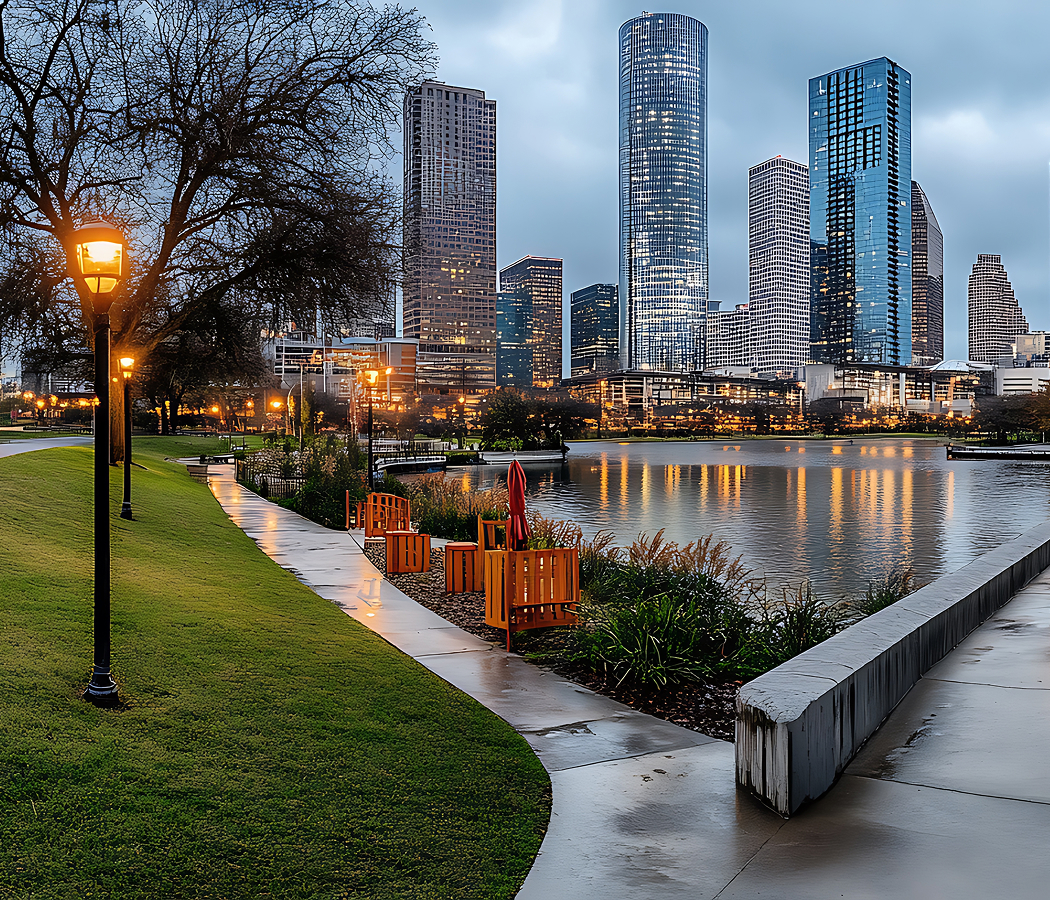
Running through South Dallas between Fair Park, the Cedars, and South Boulevard-Park Row, this evolving corridor connects historic industrial buildings, established residential blocks, neighborhood businesses, community institutions, public parks, and welcoming streetscapes that collectively showcase Dallas' remarkable urban evolution. Early twentieth century warehouses, modest historic homes, neighborhood churches, mature street trees, locally owned businesses, landscaped public spaces, and active community gathering places create an urban landscape where generations of railroad workers, manufacturers, entrepreneurs, artists, and residents have shaped one of Dallas' most resilient neighborhoods. Sulphur Street developed alongside the city's expanding industrial and rail economy before evolving into a defining neighborhood connector while preserving its historic character and strengthening community investment. The result is a corridor defined by industrial legacy, neighborhood resilience, and enduring civic character.
What you should know about Sulphur Street.
Sulphur Street is best known for Fair Park, whose unparalleled collection of 1936 Texas Centennial Art Deco buildings forms the largest intact ensemble of exposition architecture in the United States and is designated a National Historic Landmark.
Created for the Texas Centennial Exposition, the park transformed Dallas into an international showcase of architecture, engineering, and artistic achievement through grand buildings, murals, sculptures, fountains, and landscaped public spaces that continue to define its historic character. Today, Fair Park remains one of the nation's premier cultural campuses, hosting museums, performance venues, community festivals, and the annual State Fair of Texas while preserving one of America's most significant collections of Art Deco architecture. Its enduring influence continues to shape the character of surrounding neighborhoods and reinforces South Dallas' place in the city's cultural history. That extraordinary architectural legacy has established Sulphur Street as a corridor closely connected to one of Texas' greatest civic landmarks.
How to fold Sulphur Street into your trip.
Sulphur Street works as an exploration of Dallas' architectural heritage, cultural institutions, and neighborhood history.
Begin along Sulphur Street, where historic neighborhood streets immediately establish the corridor's defining community character. Continue toward Fair Park, where grand Art Deco architecture and expansive public spaces provide broader perspective on one of America's greatest historic exposition grounds. From there, make your way to the African American Museum, Dallas, where nationally significant collections celebrating African American history, art, and culture provide a memorable conclusion before exploring the iconic Hall of State. Along the route, you'll encounter architecturally significant landmarks, welcoming public plazas, thriving cultural institutions, beautifully preserved historic buildings, celebrated museums, and energetic community gathering places that reveal South Dallas' exceptional depth. The progression moves naturally from a historic neighborhood corridor to a National Historic Landmark campus to one of the region's foremost cultural museums and Texas' signature Art Deco monument, demonstrating how Sulphur Street connects neighborhood heritage, civic history, and cultural discovery.
Where your story begins.
Foresyte Travel reveals places that feel extraordinary long before you arrive.
Experience premium editorial crafted for luxury travelers.