Why The Brando matters.
The Brando is a private-island resort where Tetiaroa's chiefly heritage meets Marlon Brando's environmental ambitions and a pioneering deep-seawater cooling system.
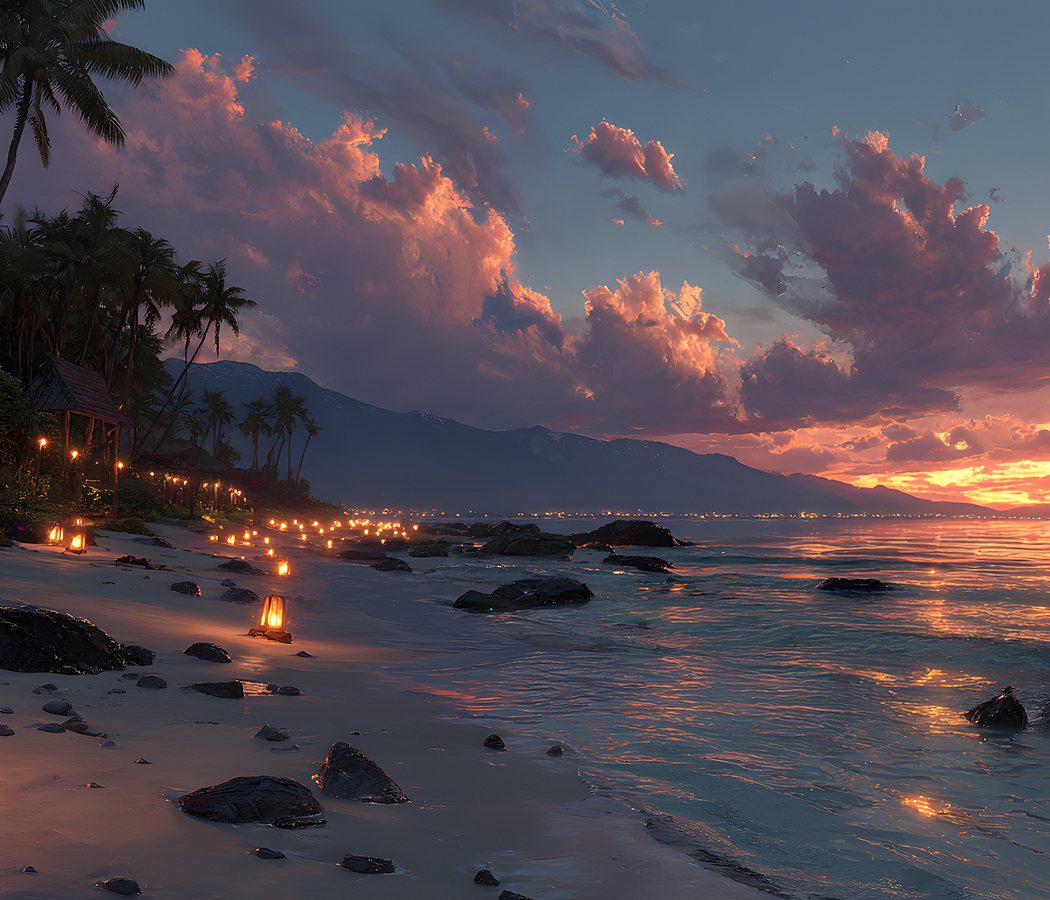
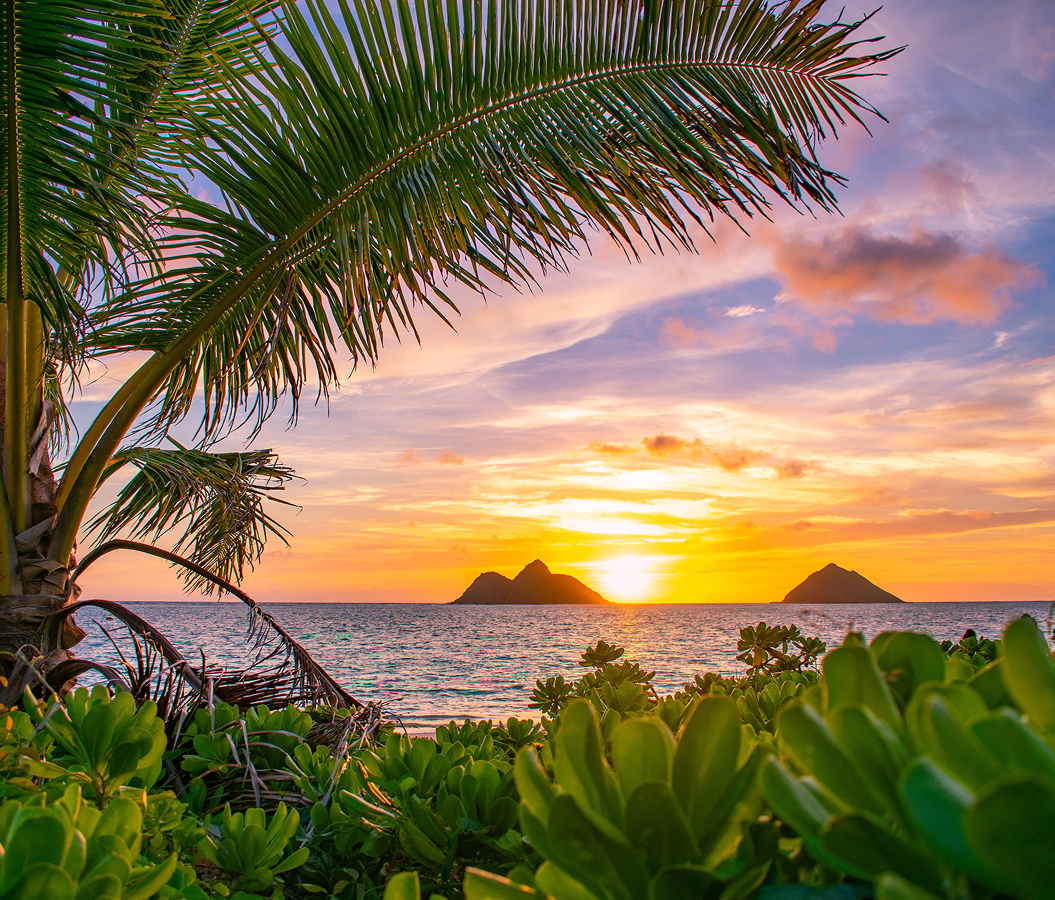
On Onetahi motu within Tetiaroa Atoll, north of Tahiti Nui and east of Moorea, The Brando occupies one of the coral islands encircling the atoll's lagoon, with Arue on Tahiti's northeast coast and the Pacific reef beyond. The low coral island carries coconut groves and coastal vegetation between shallow lagoon water and the reef edge. A network of paths leads between the shore and the resort's buildings, keeping the lagoon and ocean close throughout the island. The reef, palms and wide lagoon give the property a direct relationship with the surrounding Pacific. The result is an isolated resort whose location and engineering bring Brando's plans for Tetiaroa into focus.
What defines The Brando.
The Brando is best known for Marlon Brando's plan to combine a low-impact resort on Tetiaroa with environmental research, Polynesian cultural education and renewable energy. Brando first saw the atoll while filming Mutiny on the Bounty in the early 1960s, then bought it from Marjorie Duran in 1966. For generations, Tahitian chiefly families had used Tetiaroa as a retreat for fishing, feasting and ceremonial gatherings. In 1904, the royal family transferred the atoll to Canadian dentist Johnston Walter Williams, who established a coconut plantation there. Williams's stepdaughter, Marjorie Duran, inherited the property after his death in 1937 and lived on the atoll. Brando's purchase followed a meeting with Duran and began a long personal connection with the island. In the early 1970s, Los Angeles architect Bernard Judge helped Brando develop an airstrip and a small village with a hotel. Its bungalows and communal buildings formed an early hospitality venture on the atoll. The hotel operated for about a quarter-century, while tropical storms damaged its buildings and its business struggled financially. Brando and Tahitian hotelier Richard Bailey began planning a new resort in 1999, joining Brando's environmental goals with Bailey's experience in Polynesian hotel development. Their plans centered on Tetiaroa as a place for environmentally conscious tourism and scientific inquiry. Brando died in 2004 before the project reached completion. The Brando Family Trust approved Pacific Beachcomber's resort proposal in 2009, carrying the project into construction. Architect Pierre-Jean Picart led the design and decoration work, with the project budget set at 50 million euros. The Brando opened in 2014, ten years after Brando's death. In 2016, it received LEED Platinum certification, placing its environmental construction program among the central chapters of the hotel's history.
Where your story begins.
Foresyte Travel reveals places that feel extraordinary long before you arrive.
Enjoy editorial crafted for luxury travelers.