Why The Ritz-Carlton Maui matters.
The Ritz-Carlton Maui, Kapalua is an expansive oceanfront resort where West Maui's former pineapple country meets Hawaiian cultural tradition, championship golf, protected coastline and one of the island's largest luxury hospitality developments.
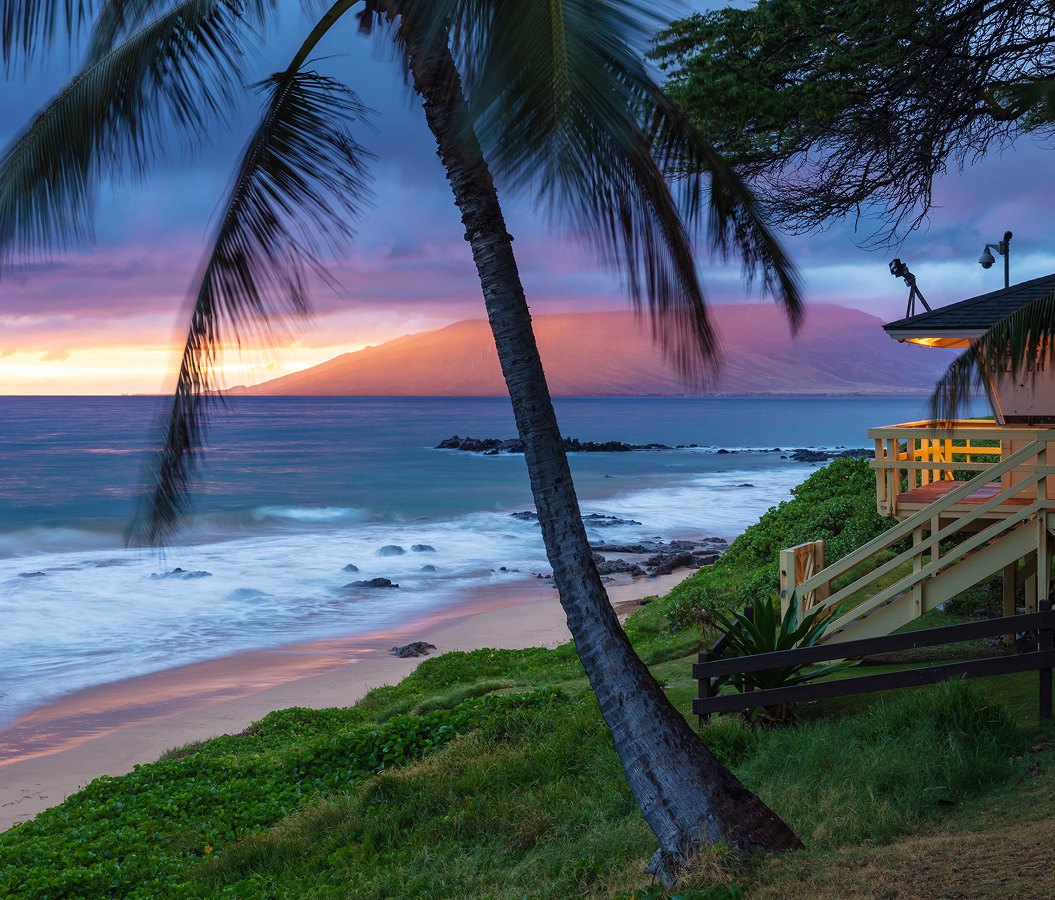
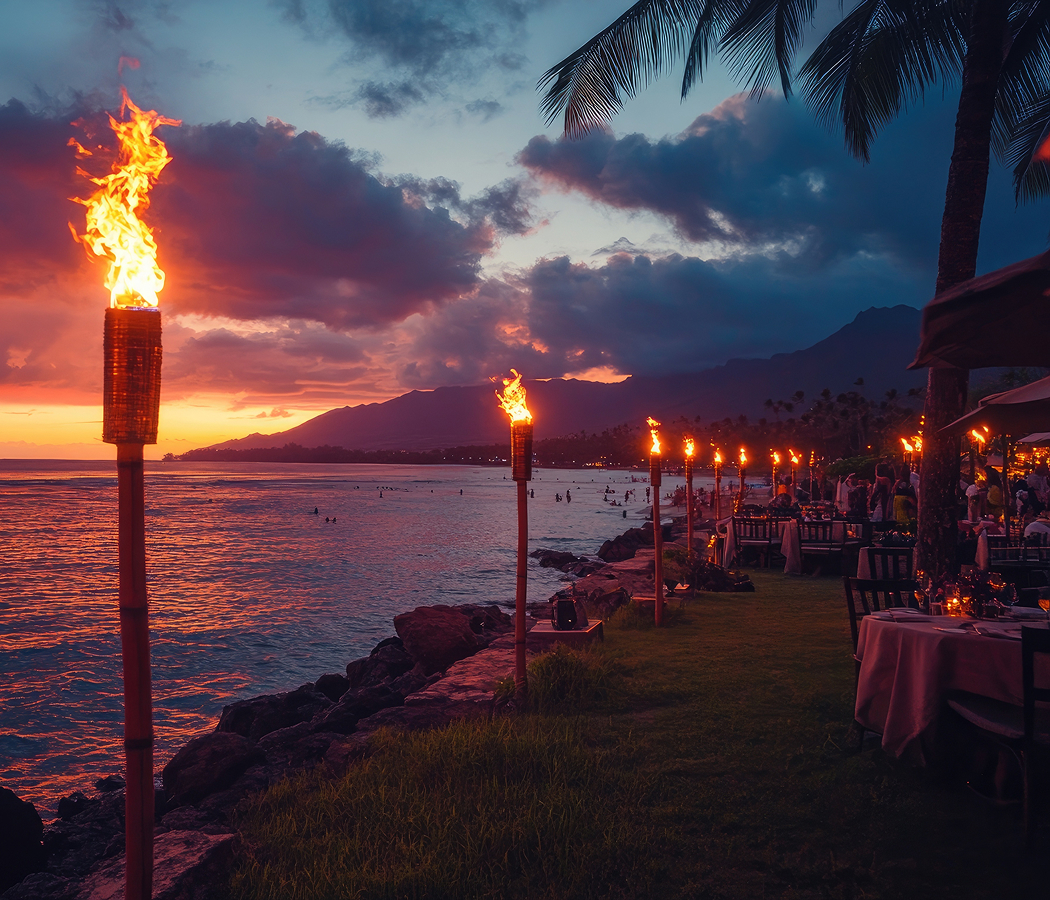
Set above the northwest coast of Maui at 1 Ritz-Carlton Drive, The Ritz-Carlton Maui, Kapalua occupies the former pineapple lands of Kapalua Resort between Honolua Bay, Kapalua Bay and the forested slopes of the West Maui Mountains. Honoapiilani Highway approaches from the south, while coastal roads lead toward Napili, Fleming Beach, the Kapalua golf courses and the oceanfront trails that follow the irregular shoreline. The resort's buildings spread across elevated lawns rather than forming a single beachfront block, allowing courtyards, pools and gardens to occupy the spaces between the guest rooms and the Pacific. Beyond the property, the coastline opens toward the islands of Molokaʻi and Lānaʻi across the ʻAuʻau Channel. The surrounding terrain moves from volcanic ridges and former agricultural fields to lava-rock points, sandy bays and marine preserves. The result is a resort whose geography is defined by elevation, open ocean, cultivated landscape and the meeting of West Maui's mountains with its protected shoreline.
What defines The Ritz-Carlton Maui.
The Ritz-Carlton Maui, Kapalua originated in the transformation of the former Honolua Ranch lands into one of Hawaiʻi's most ambitious master-planned resort communities, a development whose history became inseparable from a landmark confrontation over Native Hawaiian ancestral preservation. The wider Kapalua development emerged under Maui Land & Pineapple Company, whose agricultural operations had shaped the northwest coast of Maui through pineapple cultivation and the extensive landholdings associated with the Baldwin family's commercial enterprises. Colin Cameron, a descendant of the Baldwin family and longtime leader of Maui Land & Pineapple, directed the company's expansion into hospitality and residential development, establishing Kapalua as an internationally recognized destination through golf, coastal recreation and luxury accommodation. The Kapalua Bay Hotel opened in 1978, followed by the expansion of championship golf and residential communities that transformed the former plantation landscape into a substantial visitor destination. The Ritz-Carlton project advanced during the 1980s as a major addition to this development, introducing the internationally recognized luxury brand to Maui through a purpose-built resort. Construction began in 1987, initiating an archaeological discovery that fundamentally altered the project's architectural program and its place in Hawaiian cultural history. Excavation uncovered an extensive ancestral burial ground at Honokahua, containing the remains of more than 2,000 Native Hawaiians whose interments extended from A.D. 850 into the early nineteenth century. The discovery provoked sustained opposition from Native Hawaiian cultural practitioners, community leaders and preservation advocates, who challenged the disturbance of a sacred burial landscape for commercial development. Their campaign became an important episode in the Hawaiian sovereignty and cultural preservation movements, demonstrating the political significance of ancestral burial protection during a period of growing recognition of Indigenous rights. Negotiations ultimately resulted in a comprehensive redesign that relocated the principal hotel construction farther inland and established a protected archaeological preserve. The resulting Honokahua Preservation Site encompasses 13.6 acres, safeguarding the ancestral burial ground as a culturally significant landscape associated with the continuing traditions of Native Hawaiian communities. The preservation agreement established responsibilities extending beyond the original construction program, creating an enduring institutional relationship between the resort, cultural practitioners and the ancestral significance of the land. The Ritz-Carlton Kapalua opened in 1992, introducing a luxury hotel whose development had already become a defining example of the cultural complexities surrounding resort construction in Hawaiʻi. Its architectural composition incorporated expansive landscaped grounds, substantial public interiors and a relationship with the surrounding coastline shaped by the relocation necessitated by the Honokahua discovery. The property's development also strengthened Kapalua's international reputation as a center of championship golf, complementing the Bay Course and the Plantation Course, whose design by Bill Coore and Ben Crenshaw established one of the most celebrated tournament venues in the Pacific. The Plantation Course opened in 1991 and subsequently became the longstanding home of the PGA Tour's season-opening Tournament of Champions, connecting Kapalua with internationally recognized professional golf. A substantial renovation completed in 2008 renewed the hotel's accommodations and principal public spaces, introducing contemporary residential interiors and strengthening the property's relationship with Hawaiian cultural design. The resort's ownership subsequently passed through major institutional investment groups, reflecting the commercial importance of Kapalua within the international luxury hospitality market. A further transformation completed in 2022 introduced $100 million in improvements, encompassing accommodations, restaurants, public interiors and the development of a dedicated Ritz-Carlton Club Lounge. The renovation incorporated original works by Native Hawaiian artists, including traditional kapa-inspired compositions and decorative lighting informed by Hawaiian fishing practices. The renewed interiors strengthened the property's cultural character through an architectural program that connected contemporary luxury with the artistic inheritance of the islands. Subsequent additions included the Fire Lanai Collection, introduced in 2023 with private outdoor fire features that extended the property's residential hospitality philosophy into the landscaped environment. The Ritz-Carlton Maui, Kapalua represents a significant chapter in Hawaiian resort development through its plantation-era land history, the preservation of Honokahua's ancestral burial grounds, the international expansion of luxury hospitality and the enduring cultural responsibilities established through Native Hawaiian advocacy.
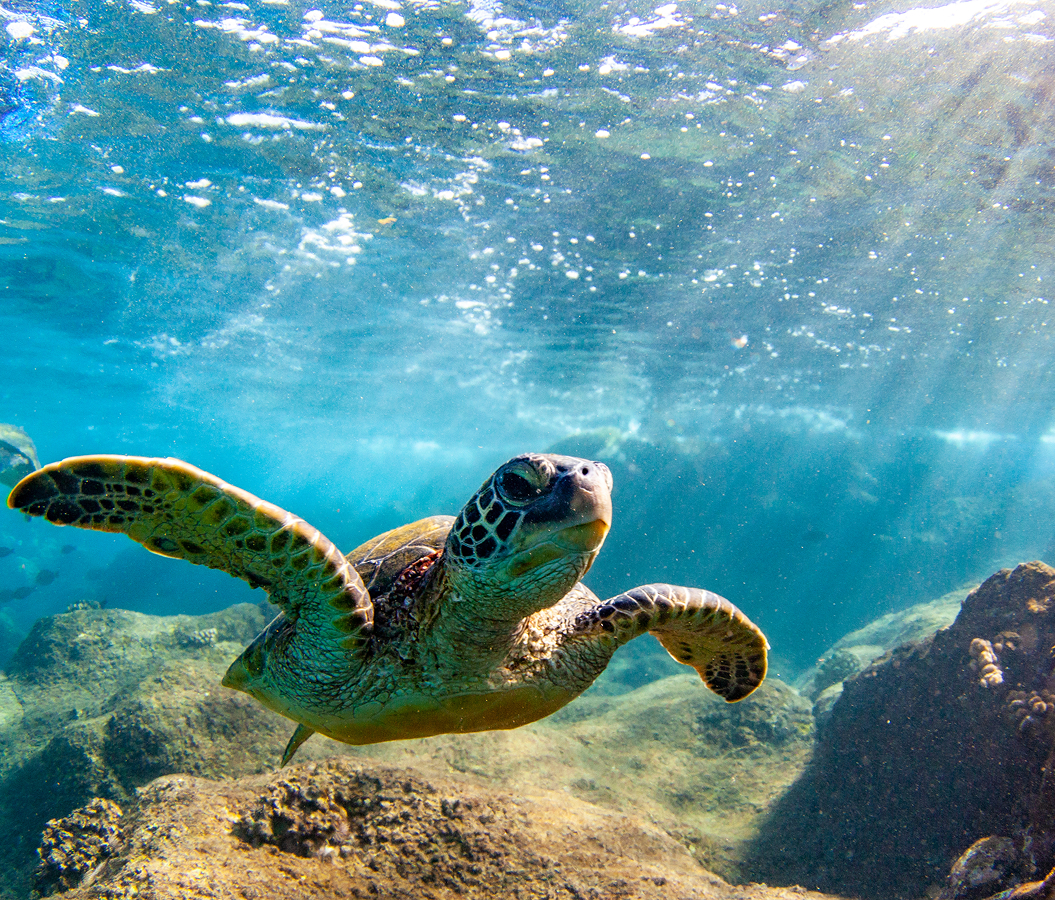
Jean-Michel Cousteau's Ambassadors of the Environment program gives The Ritz-Carlton Maui, Kapalua an unusually consequential experiential identity, connecting luxury hospitality with Native Hawaiian cultural knowledge, marine ecology and the environmental character of Northwest Maui. Developed through the conservation philosophy associated with the Cousteau family, the program introduces guests to the ecological relationships linking volcanic landscapes, coastal forests, coral reefs and the traditional practices of Hawaiian communities. Its resident naturalists receive specialized training through Cousteau's educational organization, bringing scientific expertise into guided excursions designed to develop a deeper understanding of the island's natural systems. The program's coastal explorations follow portions of the ancient Alaloa Trail, a historic Hawaiian route whose significance extends through centuries of travel, communication and cultural exchange. Tide-pool investigations introduce the remarkable adaptations of marine organisms to changing water levels, wave exposure and the environmental conditions of volcanic shorelines. Encounters with Hawaiian green sea turtles develop another dimension through instruction in marine behavior, habitat protection and the cultural significance of honu within Hawaiian traditions. Seasonal whale-watching activities connect the resort's educational philosophy with the annual migration of North Pacific humpback whales, whose winter presence forms an important part of Maui's ecological identity. These activities establish a sustained relationship between recreational exploration and environmental stewardship, giving the property's coastal setting an educational significance grounded in its distinctive natural history. The resort's cultural programming develops a complementary understanding of Hawaiia character through traditional storytelling, music, dance and artistic practices associated with the islands' Indigenous communities. Tales of the Kapa Moe introduces these traditions through an elaborate lūʻau incorporating Hawaiian chanting, hula, handcrafted costumes and theatrical performance. Its cultural narrative connects ceremonial hospitality with the preservation of oral traditions, establishing an evening program whose significance extends into the historical relationship between storytelling and community identity. The property's contemporary interiors reinforce this philosophy through artworks inspired by Hawaiian craftsmanship, bringing the textures and symbolic character of traditional decorative practices into its principal gathering spaces. The culinary program develops another expression of the relationship between land, sea and hospitality through The Banyan Tree, whose coastal American cooking emphasizes sustainably sourced Maui ingredients and the distinctive agricultural character of the Hawaiian Islands. Its kitchen interprets regional seafood through careful handling, precise temperature control and the concentrated flavors developed through wood-fired cooking. The Josper oven contributes a distinctive technical dimension through the combination of charcoal heat and enclosed roasting, creating pronounced caramelization and savory depth in carefully selected meats and seafood. Hawaiian ahi tuna introduces a complementary culinary tradition through preparations that emphasize freshness, balanced seasoning and the natural character of Pacific fish. The restaurant's wine program extends this gastronomic philosophy through an internationally developed cellar recognized with Wine Spectator's 2026 Award of Excellence. The Kapalua Wine & Chef Series contributes another cultural dimension through collaborations between acclaimed visiting chefs and distinguished winemakers, connecting the resort with the international culinary community. Alaloa Lounge sustains Kapalua's longstanding association with live entertainment through musical performances and a cocktail program shaped by the social traditions of Hawaiian resort hospitality. The property's relationship with golf introduces another distinctive form of engagement with the landscape through the Plantation and Bay courses, whose architectural approaches interpret the challenging terrain, coastal winds and dramatic elevation changes of Northwest Maui. The Plantation Course's celebrated Coore and Crenshaw design places particular importance on strategic decision-making, using natural contours and broad playing corridors to create a demanding relationship between golfer and terrain. Waihua Spa extends the property's environmental philosophy into restorative hospitality through treatments influenced by Hawaiian therapeutic traditions, including lomi lomi massage and the use of botanical ingredients associated with the islands. Its approach connects physical restoration with the physical character of Hawaiʻi's natural environment, complementing the resort's emphasis on cultural education and outdoor activity. Together, these environmental, cultural, culinary and recreational traditions establish The Ritz-Carlton Maui, Kapalua as a distinctive expression of Hawaiian hospitality whose defining character emerges from the preservation of Indigenous heritage, the ecological significance of the surrounding coastline and the continuing relationship between cultural stewardship and luxury resort life.
How The Ritz-Carlton Maui fits.
The Ritz-Carlton Maui, Kapalua works as the starting point for an exploration connecting West Maui's marine reserves, coastal geology and former plantation landscape.
Begin at Honolua Bay, a protected marine preserve on Maui's northwest coast where steep green slopes descend toward a narrow opening in the volcanic shoreline. The bay's waters shelter coral, tropical fish and Hawaiian green sea turtles, with summer conditions commonly supporting snorkeling and winter swells attracting experienced surfers. Forested ridges and sea cliffs enclose the cove, giving it a more secluded character than the resort beaches farther south. Honolua Bay's marine life and coastal vegetation make it an important example of the environmental systems surrounding Kapalua. Its position at the end of the coastal road places the Pacific, rather than resort architecture, at the center of the first stop. Continue to Kapalua Coastal Trail, a 1.76-mile shoreline path linking Kapalua Bay with D.T. Fleming Beach through Oneloa Bay and the coastal grounds surrounding the resort. The route crosses sand dunes, lava-rock points, low vegetation and oceanfront overlooks shaped by wind and salt. Along the way, the trail passes the Kapalua Labyrinth, a circular stone path positioned above the shoreline and framed by the West Maui landscape. The route also reveals the transition between public coastal access, resort gardens, golf terrain and undeveloped shoreline. Kapalua Coastal Trail makes the district legible as a continuous landscape rather than a series of separate beaches and hotels. Conclude at D.T. Fleming Beach, a broad public shoreline at Honokahua Bay named for David Thomas Fleming, the Maui Pineapple Company manager associated with the development of West Maui's agricultural economy. The beach combines a sandy crescent, ironwood trees, picnic areas, lifeguard facilities and a shore break shaped by seasonal ocean conditions. Its position below the resort and beside the coastal road gives the public a direct relationship with the same oceanfront landscape that defines Kapalua's luxury properties. The beach also preserves the connection between agriculture, transportation and coastal settlement that shaped the northwest side of Maui. The progression moves from Honolua Bay's protected marine habitat through Kapalua Coastal Trail's continuous shoreline landscape and culminates at D.T. Fleming Beach's public coastal setting, connecting conservation, recreation and West Maui's agricultural history.
Where your story begins.
Foresyte Travel reveals places that feel extraordinary long before you arrive.
Enjoy editorial crafted for luxury travelers.
Foresyte may earn a commission when you book.