Why The Westin Hapuna Beach Resort matters.
The Westin Hapuna Beach Resort is a coastal resort where Hawaiʻi Island's ancient lava landscape meets one of the Kohala Coast's defining white-sand beaches, a Rockefeller-era resort vision and contemporary Westin wellness culture.
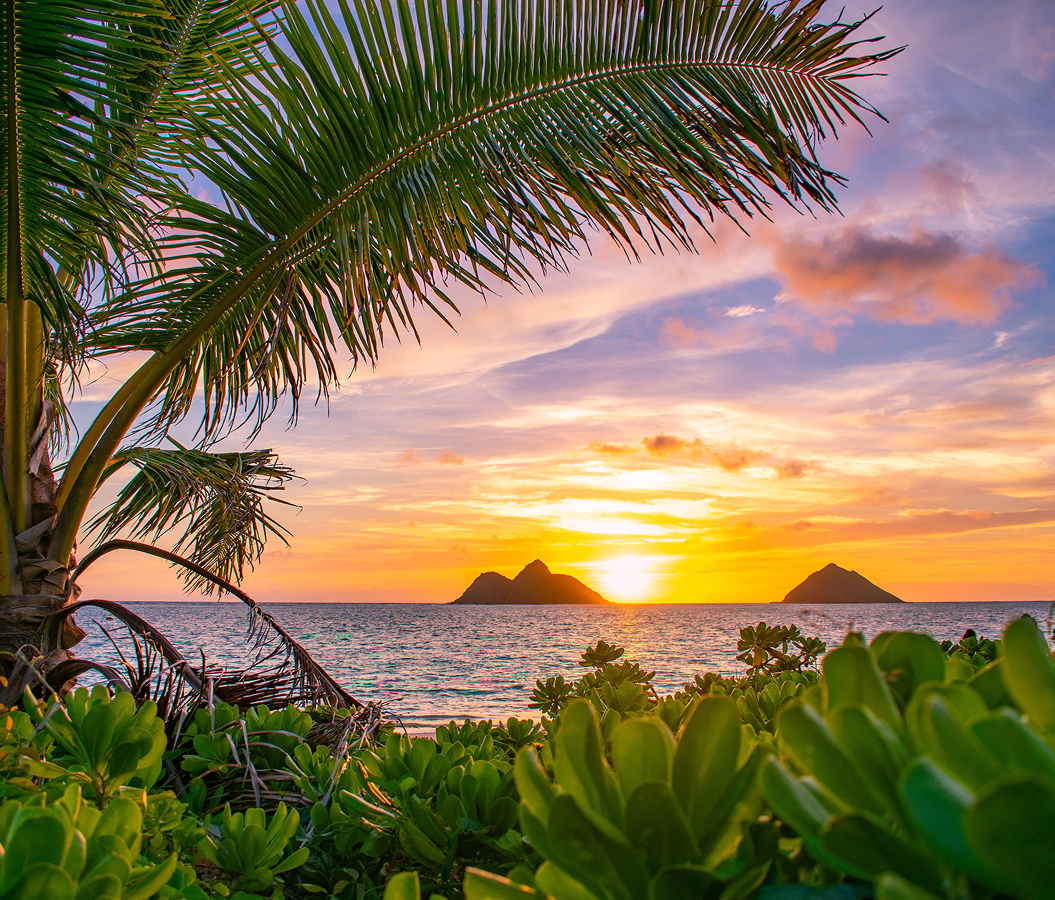
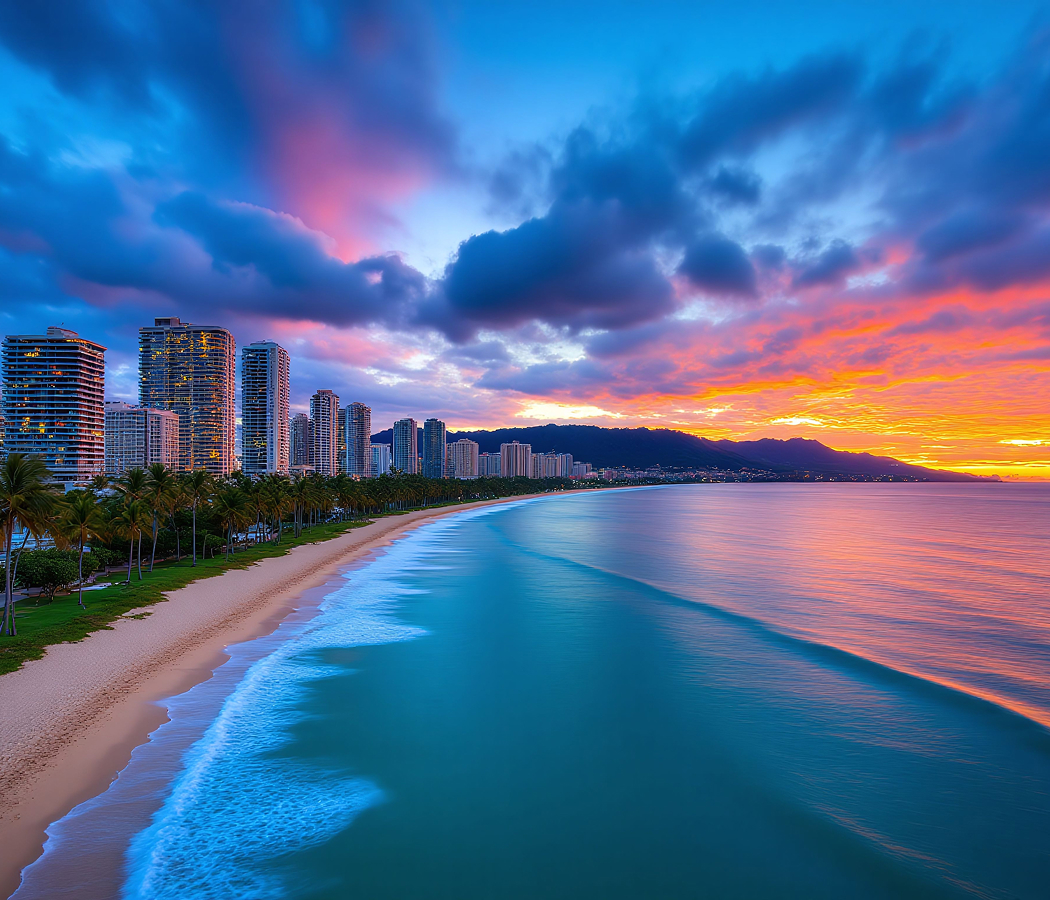
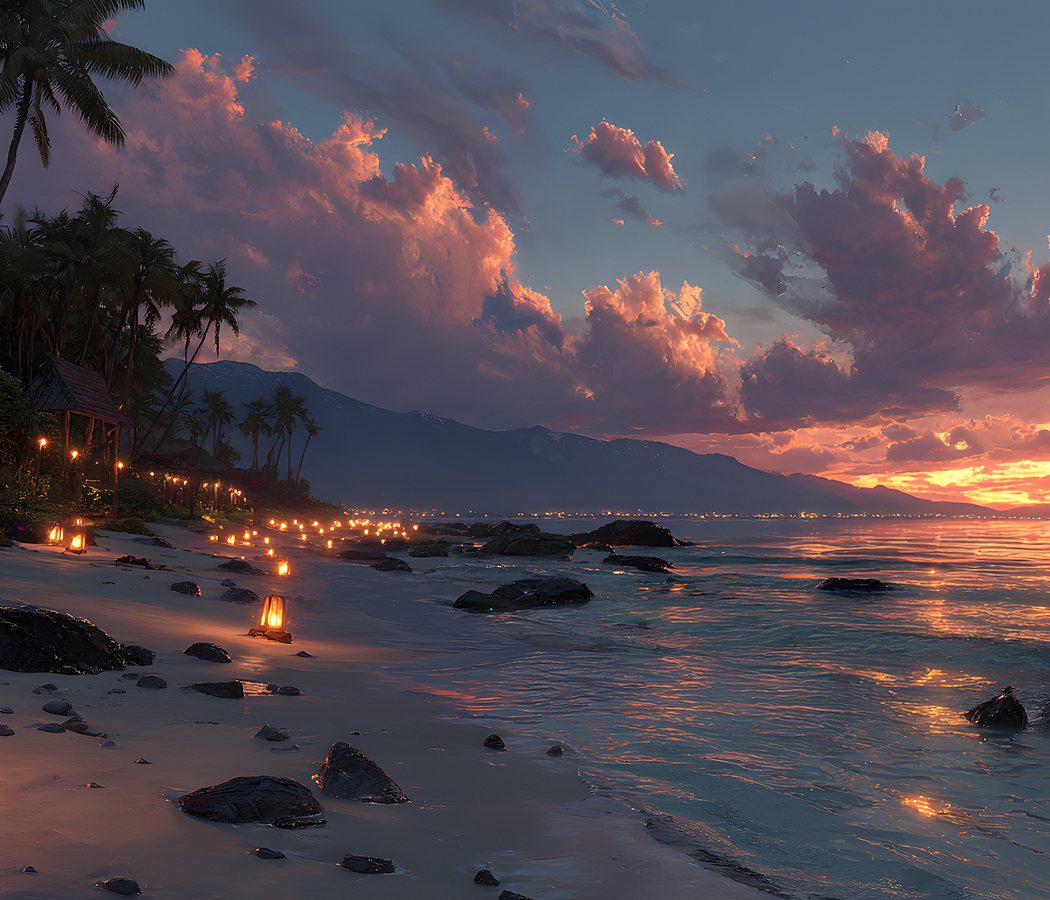
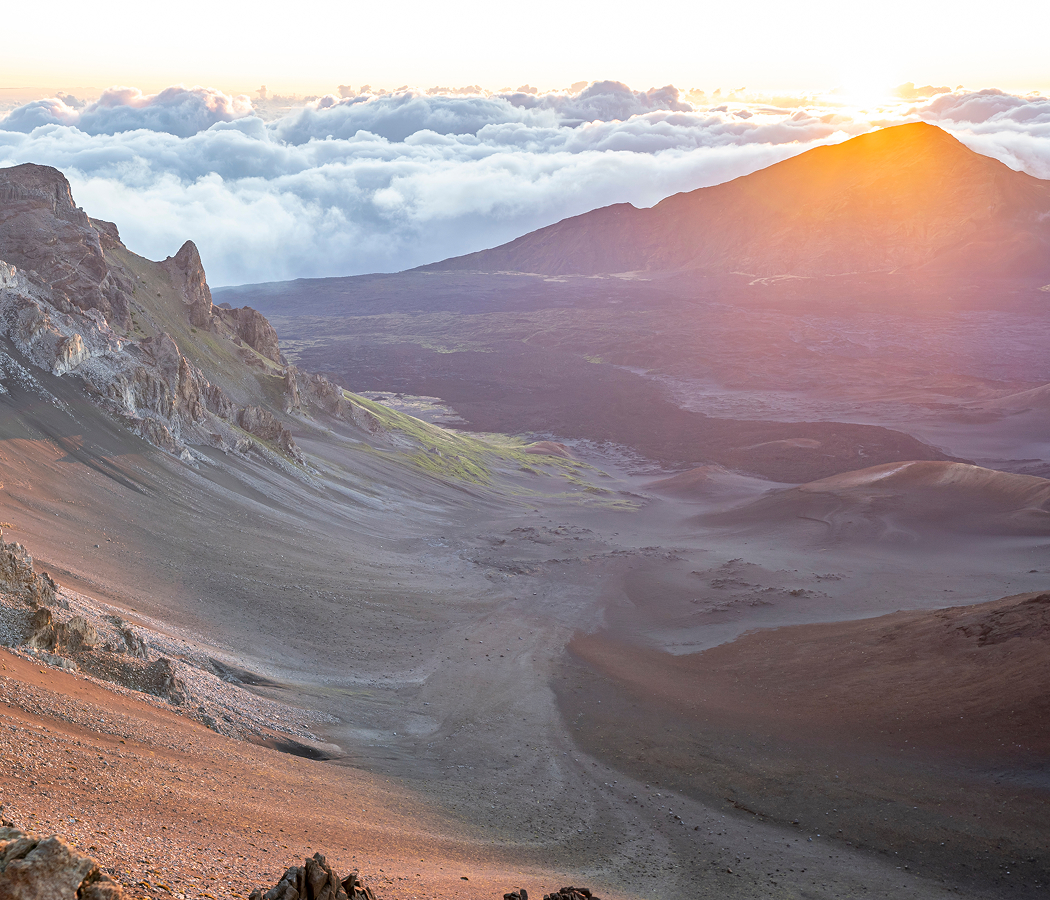
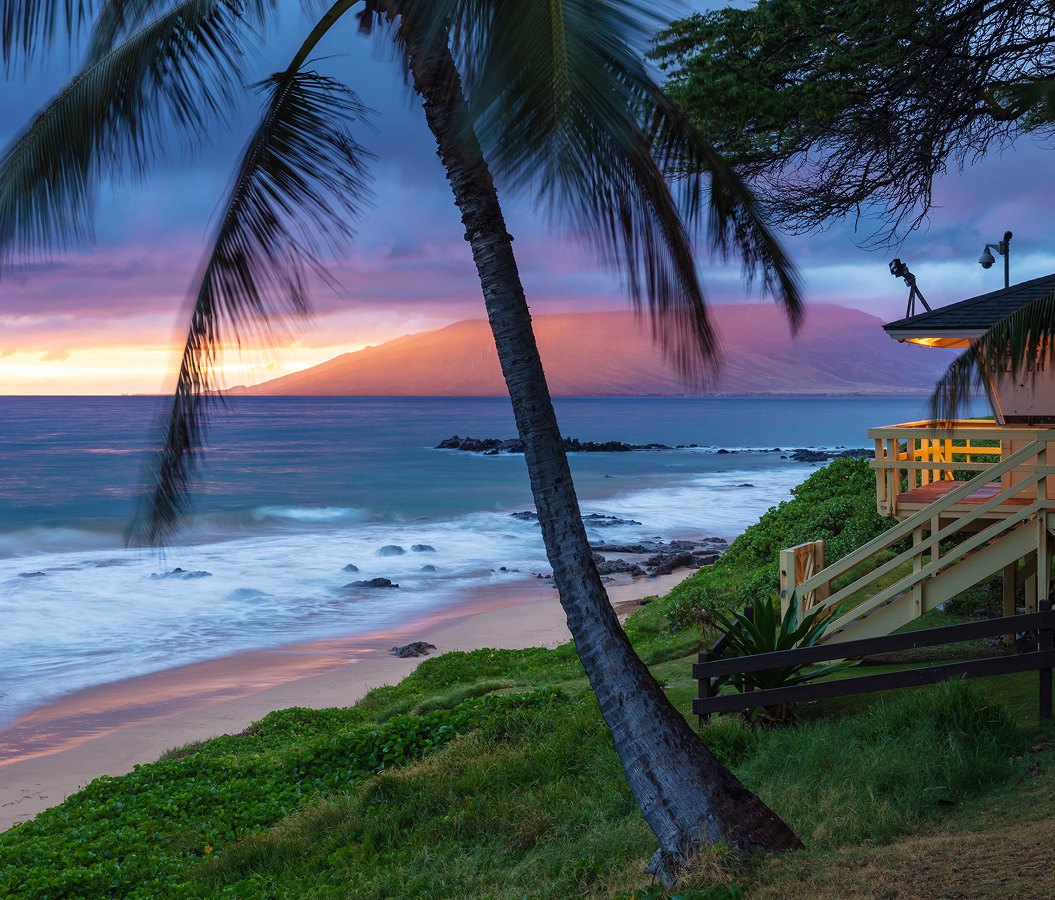
Set along Kaunaʻoa Drive on the Kohala Coast, The Westin Hapuna Beach Resort faces the Pacific from the upper edge of Hapuna Beach, with Mauna Kea, centuries-old lava fields and the dry western slopes of Hawaiʻi Island forming its broader setting. The resort sits within the expansive Mauna Kea Resort grounds, where landscaped gardens descend toward the shoreline and volcanic terrain stretches inland toward the Kohala Mountains. The coast's clear water, exposed lava and long beaches create a strong geographical contrast with the island's wetter eastern districts. Ocean views extend westward across the Pacific, and evening light reaches the property from beyond the coast. The result is a resort defined by the meeting of volcanic geology, white sand and the carefully planned leisure landscape of the Kohala Coast.
What defines The Westin Hapuna Beach Resort.
The Westin Hapuna Beach Resort originated in Laurance S. Rockefeller's ambitious vision for the Kohala Coast, whose transformation into an internationally celebrated resort destination began with the development of Mauna Kea Beach Hotel during the 1960s. Rockefeller first visited Hawaiʻi Island in 1960 at the invitation of Governor William F. Quinn, discovering a largely undeveloped coastline whose volcanic terrain and exceptional beaches inspired a comprehensive hospitality and residential community. His subsequent agreement with Parker Ranch established the foundations of Mauna Kea Resort, introducing an architectural philosophy that connected contemporary hospitality with the preservation of the island's natural character. The original Mauna Kea Beach Hotel opened in July 1965, establishing a precedent for luxury resort development through its restrained modernist architecture and extensive integration of Hawaiian and Pacific artistic traditions. Rockefeller's master plan anticipated additional hospitality facilities, residential communities and championship golf courses, creating the foundation for the eventual development of a second hotel overlooking Hāpuna Beach. Japanese entrepreneur Yoshiaki Tsutsumi's Seibu Railway acquired the resort in 1990, transferring its development into the Prince Hotels organization during a period of substantial Japanese investment in Hawaiian tourism. The acquisition revived Rockefeller's original expansion ambitions through a coordinated program of hospitality construction, residential development and recreational infrastructure. Architecturally, the new hotel drew upon the expertise of Wimberly, Allison, Tong & Goo, the Honolulu-based practice whose extensive international resort portfolio had helped define modern tropical hospitality architecture. The firm developed a substantial terraced composition whose orientation emphasized the relationship between open-air circulation, prevailing coastal breezes and the Pacific horizon. The architectural program established a contemporary counterpart to the earlier Mauna Kea Beach Hotel, incorporating expansive public spaces, landscaped courtyards and residential accommodations organized around the natural contours of the Kohala Coast. The Hapuna Golf Course opened in 1992 through a collaboration between Arnold Palmer and Ed Seay, introducing an eighteen-hole championship layout whose routing incorporated substantial elevation changes and the contrasting textures of volcanic terrain. Hapuna Beach Prince Hotel opened in August 1994, fulfilling the second major hotel component of Rockefeller's original resort vision and expanding Prince Hotels' presence within the Hawaiian luxury hospitality industry. Its arrival coincided with a substantial renovation of the neighboring Mauna Kea Beach Hotel, establishing complementary hospitality identities within a unified resort community. The property subsequently developed an established reputation for international leisure travel, destination celebrations and residential-style coastal hospitality. A significant institutional transformation began in 2017, when Prince Resorts Hawaii entered a franchise agreement to introduce the Westin brand through an extensive renovation of the original hotel. Contractor Nan, Inc. undertook the $46 million construction program, renewing the principal public spaces, dining establishments, recreational facilities and accommodation interiors. Honolulu-based architectural practice G70 contributed to the redevelopment, translating Westin's internationally established wellness philosophy into the architectural character of the existing Hawaiian resort. The renovation also introduced Hapuna Residences, integrating privately owned luxury accommodations into the broader development and strengthening its relationship with the established Mauna Kea residential community. The Westin Hapuna Beach Resort debuted on June 25, 2018, becoming the sixth Westin property in Hawaiʻi under Marriott International's expanded hospitality portfolio. The transformation introduced a new generation of dining concepts and an adults-only infinity pool, establishing a renewed character grounded in contemporary wellness and Hawaiian coastal recreation. Environmental stewardship became a significant institutional priority in April 2022 through a partnership with the Hawaiian Legacy Reforestation Initiative, which introduced a proposed 100,000-tree native forest restoration program on the resort property. The initiative incorporated individual tree sponsorships, digital identification and long-term ecological monitoring, connecting hospitality operations with the restoration of endemic Hawaiian forest species. A further investment completed in 2026 renewed Hapuna Golf Course through an $1 million improvement program that preserved Palmer and Seay's original routing. The project introduced seashore paspalum turf, refined selected fairways and reconstructed bunkers, strengthening the course's environmental performance and playing conditions. The Westin Hapuna Beach Resort represents a distinctive chapter in Hawaiian hospitality development through the continuation of Rockefeller's original resort vision, Japanese-American investment, internationally influential tropical architecture and the integration of contemporary wellness with long-term environmental stewardship.
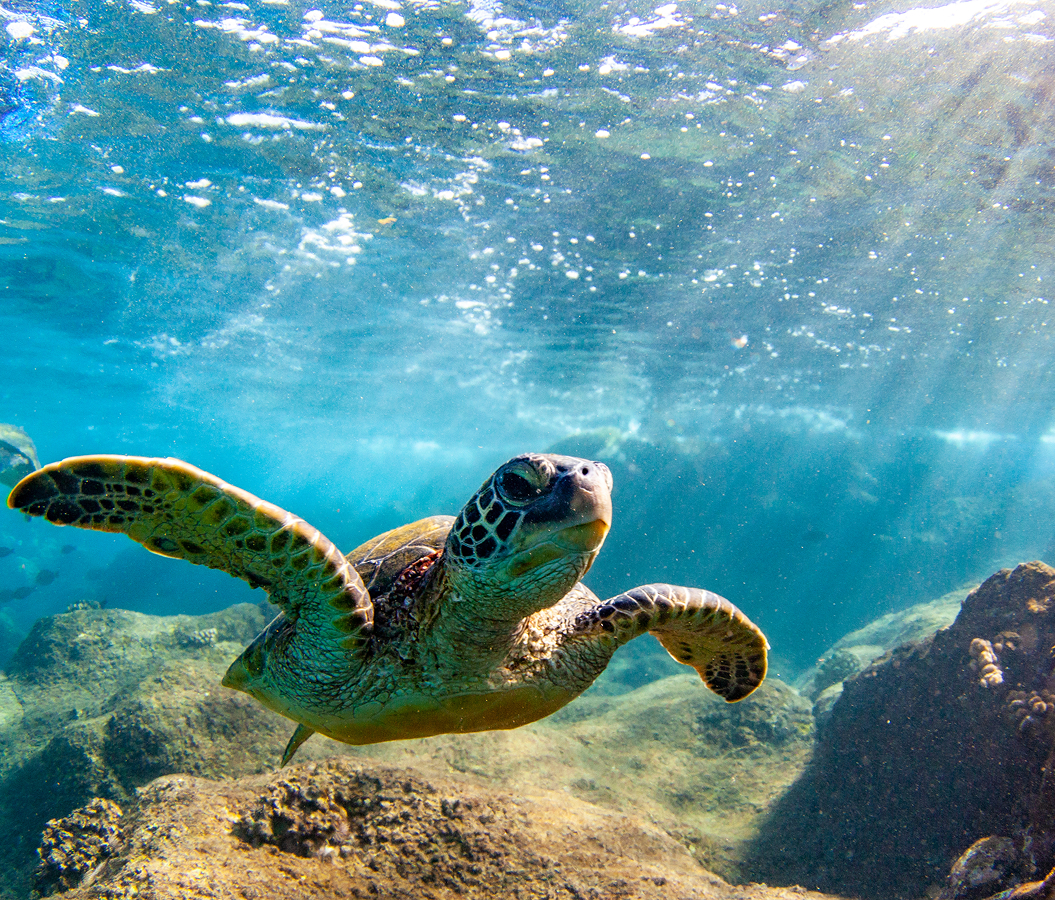
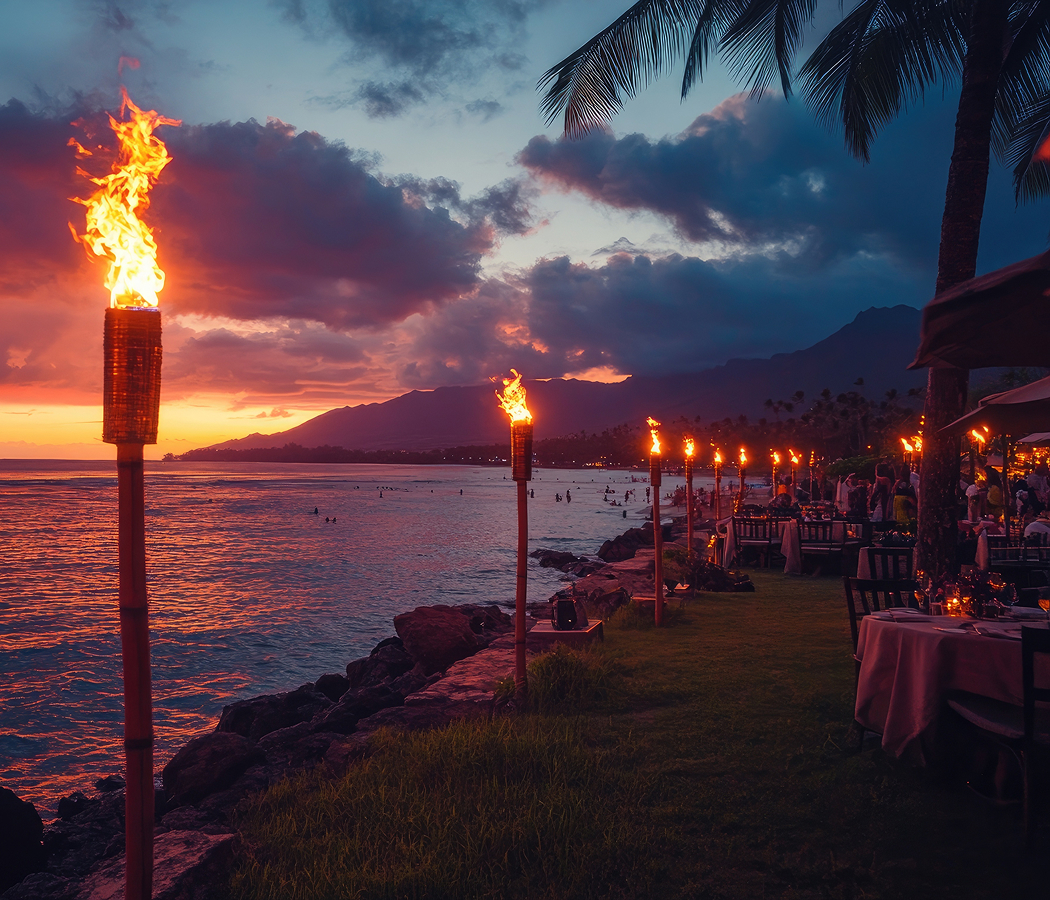
Hāpuna's hospitality character develops through an unusually close relationship between Hawaiian cultural traditions, the recreational possibilities of the Kohala Coast and Westin's philosophy of physical restoration. The resort's terraced architectural arrangement establishes a distinctive sequence of open-air gathering spaces, landscaped environments and residential interiors that express the relationship between Hawaiʻi Island's volcanic geography and its maritime climate. Its contemporary design preserves the essential character of tropical resort architecture through generous outdoor circulation, natural light and the integration of planted spaces into everyday hospitality. The Hawaiian understanding of aloha ʻāina, expressing love and responsibility for the land, provides a deeper cultural foundation for the property's relationship with its surrounding environment. Daily cultural programming introduces this philosophy through the guidance of an Aloha Ambassador, whose sunrise ceremonies incorporate traditional Hawaiian oli chanting and the ceremonial acknowledgment of a new day. Hawaiian language instruction, hula and lei making develop complementary connections with the island's living cultural traditions, introducing the significance of movement, spoken expression and botanical craftsmanship within Hawaiian society. The resort's relationship with the ocean extends this cultural character into the maritime environment through snorkeling, kayaking and guided activities that introduce the ecological character of Hawaiʻi Island's coastal waters. Turtle Point provides a distinctive setting for observing tropical reef fish and Hawaiian green sea turtles, connecting recreational exploration with an appreciation for the marine habitats surrounding Hāpuna Beach. Specialized nighttime snorkeling excursions led by manta ray researcher James Wing introduce another dimension through encounters with the region's celebrated manta rays and instruction in their behavior and conservation. The resort's golfing tradition develops an equally distinctive relationship with the landscape through Arnold Palmer and Ed Seay's championship design, whose dramatic elevation changes require thoughtful shot selection and an understanding of the effects of wind and terrain. Its signature twelfth hole begins near 700 feet above sea level, establishing an elevated playing perspective that reveals the scale of the surrounding volcanic coastline. The recent introduction of seashore paspalum contributes to the course's distinctive playing character through consistent turf conditions suited to the environmental demands of coastal golf. Westin's restorative philosophy complements these outdoor traditions through personalized fitness programming, therapeutic bodywork and an approach to physical well-being informed by the island's natural setting. The culinary program develops another expression of Hawaiian agricultural character through relationships with local farmers, ranchers and fisheries, incorporating ingredients from the island's diverse growing regions into contemporary restaurant cooking. More than 85 percent of the resort's protein, dairy and produce comes from local suppliers, establishing a substantial connection between its hospitality operations and Hawaiʻi Island's agricultural economy. Meridia's Chef de Cuisine Sotirios Kontos brings Greek, Italian and Turkish culinary influences into this regional foundation, drawing upon professional training in Athens and experience alongside chefs including Lefteris Lazarou, Nobu Matsuhisa and Albert Roux. His Mediterranean culinary philosophy emphasizes carefully handled seafood, aromatic herbs, balanced acidity and the concentrated flavors developed through classical cooking techniques. The restaurant's half-acre chef's garden contributes freshly cultivated vegetables and herbs, connecting the kitchen's seasonal preparations with the agricultural rhythms of the resort itself. Kontos interprets these ingredients through a culinary style informed by the eastern Mediterranean, establishing a distinctive relationship between the island's agricultural abundance and the traditions of Greek coastal gastronomy. Meridia's wine program extends that relationship through a substantial international selection recognized by Wine Spectator, introducing the aromatic complexity and structural variety of Mediterranean and other established wine regions. The resort's broader dining culture incorporates Kona coffee, casual coastal cooking and the distinctive social traditions of Hawaiian outdoor entertaining, maintaining continuity between refined gastronomy and the informal rhythms of island life. Its environmental program contributes a further dimension through the Hawaiian Legacy Forest, where native tree planting connects individual participation with the ecological restoration of the island's upland landscapes. Together, these cultural, recreational, culinary and environmental traditions establish The Westin Hapuna Beach Resort as a distinctive expression of Hawaiian hospitality shaped by Indigenous cultural knowledge, Pacific marine ecology, Mediterranean culinary craftsmanship and the enduring relationship between the Kohala Coast's volcanic landscape and restorative outdoor living.
How The Westin Hapuna Beach Resort fits.
The Westin Hapuna Beach Resort works as a base for understanding Hawaiʻi Island through Kohala's volcanic terrain, the political history of the Hawaiian monarchy and the cultural landscape preserved across the northwestern coast.
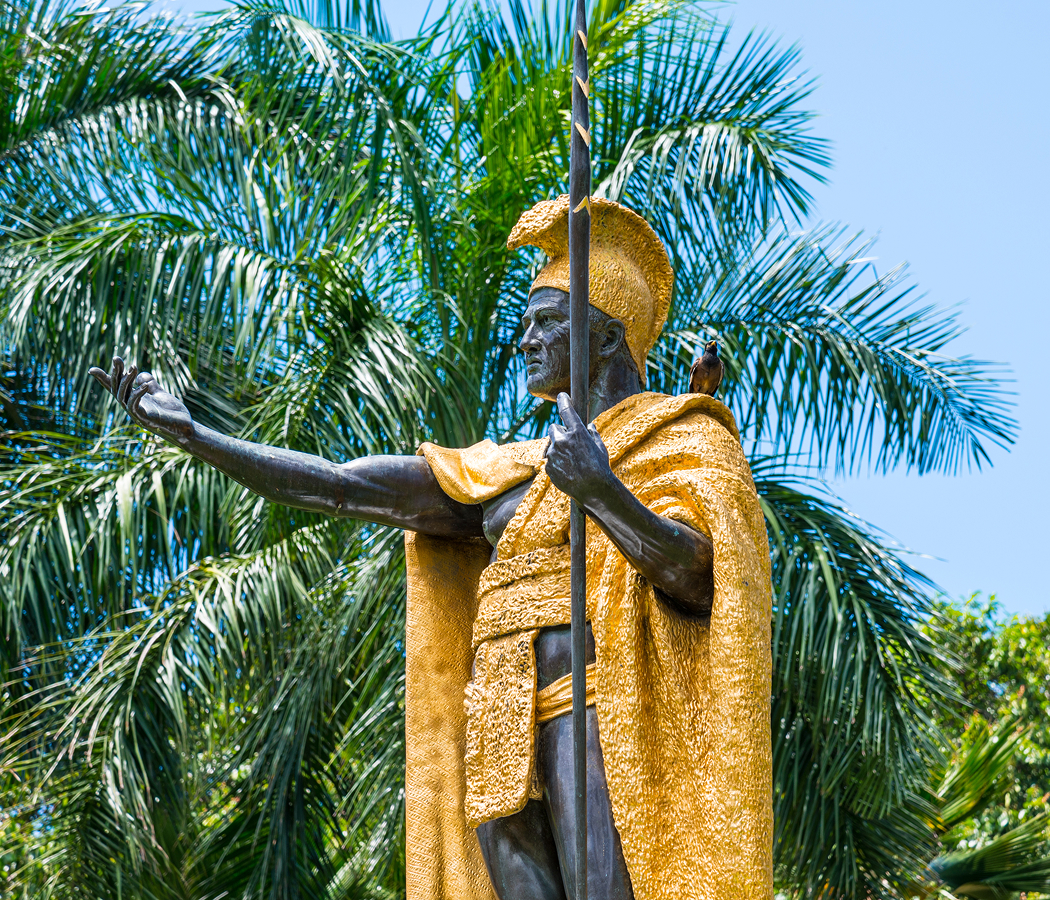
Begin at Hapuna Beach State Recreation Area, a coastal park protecting the broad shoreline directly associated with the resort's setting. The beach became nationally known after receiving the title of America's best beach in 1993 and again in 2021 through coastal assessments led by Stephen Leatherman. Its broad sand shelf, seasonal shorebreak and clear nearshore water demonstrate how wind, wave action and reef geology shape the Kohala Coast. Continue to Puʻukoholā Heiau National Historic Site, the massive stone temple built by Kamehameha I between 1790 and 1791. The heiau formed part of his campaign to unite the Hawaiian Islands, and the site remains connected to the political and religious history of the kingdom. Conclude at Puakō Petroglyph Park, where more than 3,000 petroglyphs occupy a lava field near the coast. The carvings include human figures, animals, geometric forms and cupules made by generations of Native Hawaiian artists. The progression moves from the physical power of the shoreline through Kamehameha's political and religious consolidation and culminates in Puakō's record of ancestral life, connecting beach, heiau and lava-field memory across the Kohala Coast.
Where your story begins.
Foresyte Travel reveals places that feel extraordinary long before you arrive.
Enjoy editorial crafted for luxury travelers.
Foresyte may earn a commission when you book.