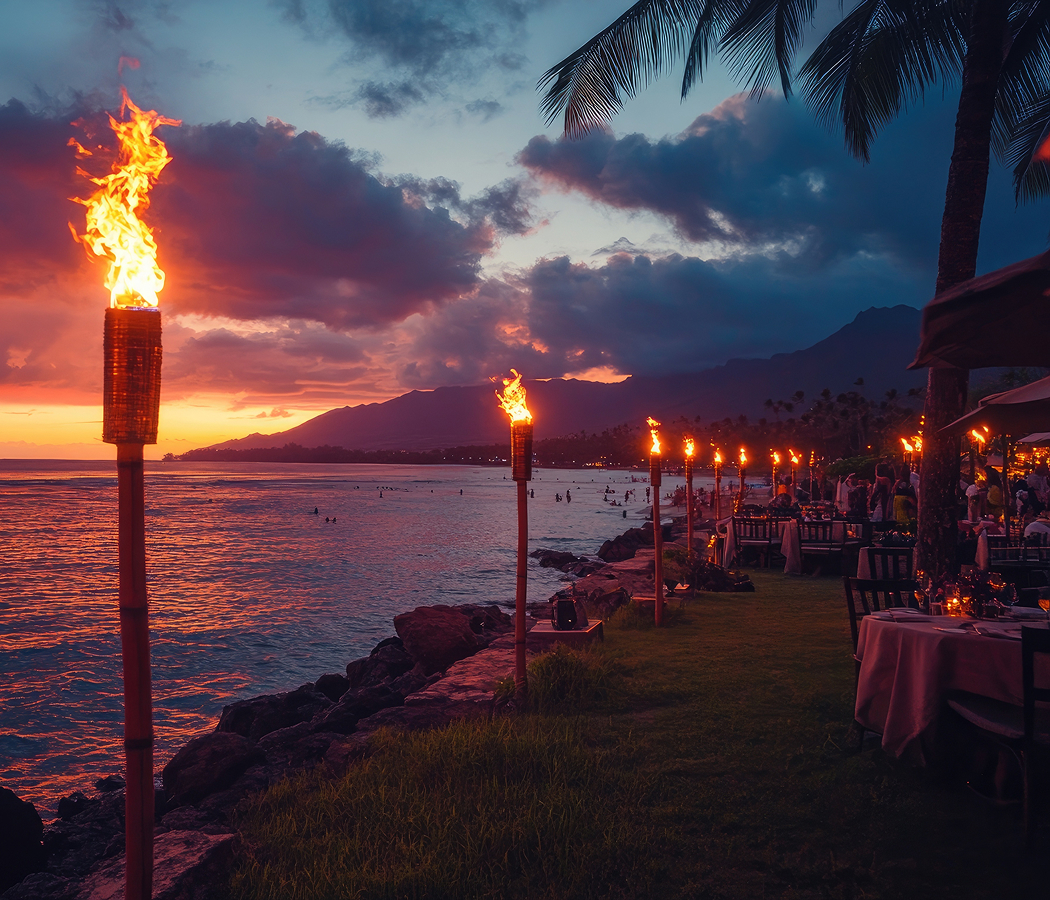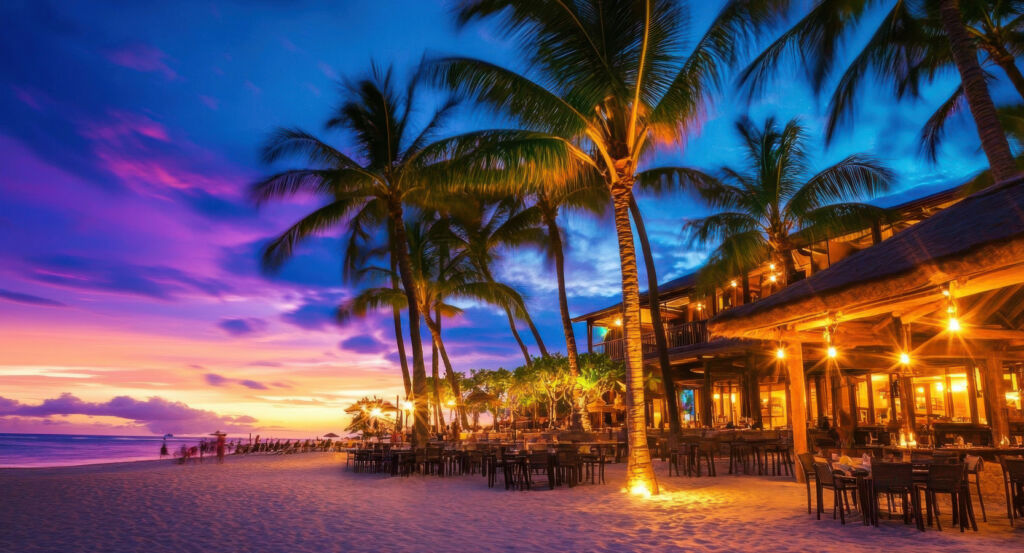
Why The Westin Nanea Ocean Villas matters.
The Westin Nanea Ocean Villas, Ka'anapali is a Hawaiian cultural resort where North Ka'anapali's historic fishing grounds meet contemporary Hawaiian architecture, indigenous cultural preservation, and environmentally responsible coastal development.
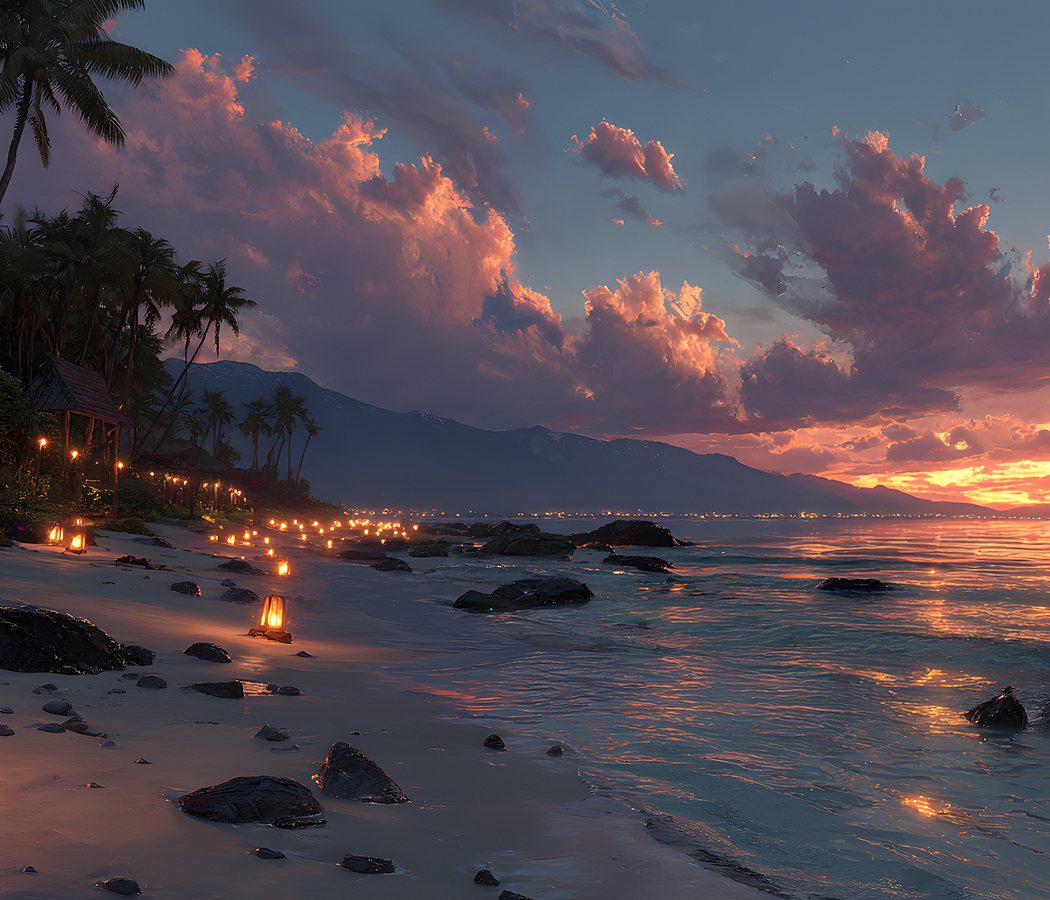
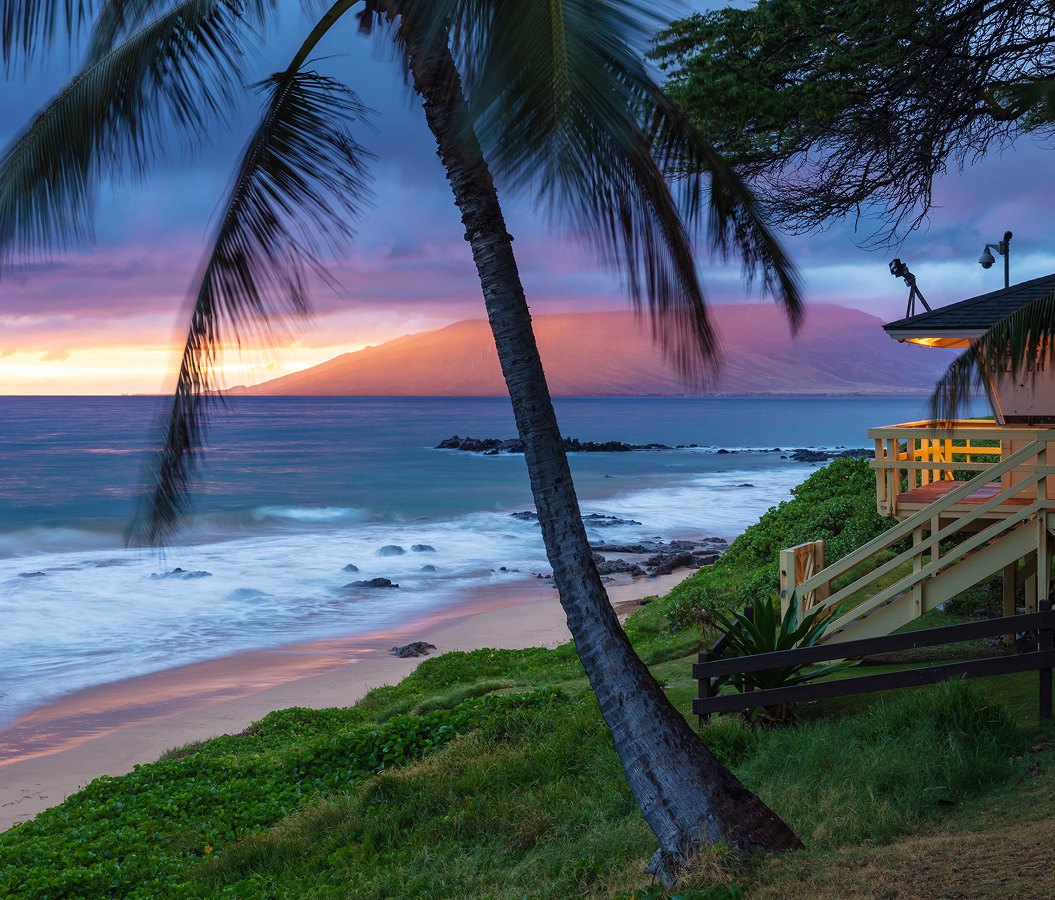
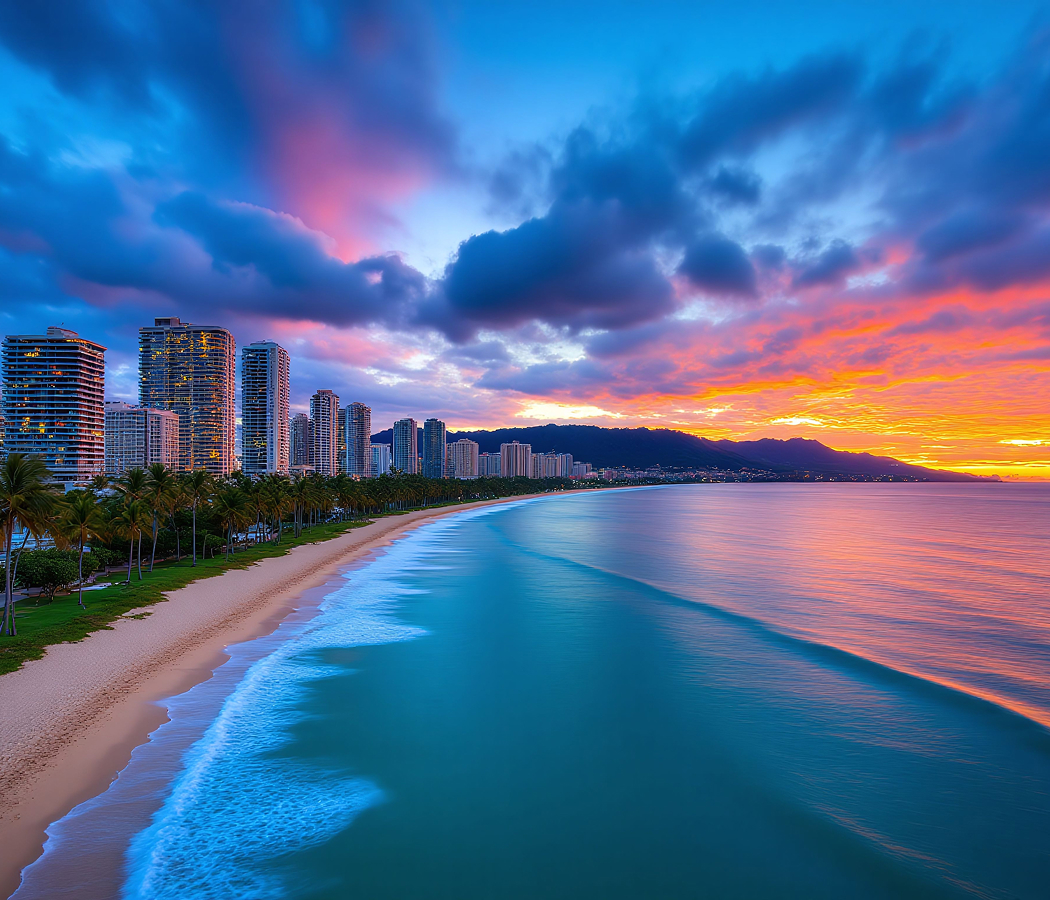
Occupying 16 acres along Maui's western shoreline, The Westin Nanea Ocean Villas, Ka'anapali stands between the Pacific Ocean and the lower slopes of the West Maui Mountains, with neighboring vacation ownership properties extending along the coastal corridor and the islands of Lanai and Molokai visible across the channel. The resort's buildings form a low-rise residential complex organized around a central landscaped courtyard and a sequence of ocean-facing gardens. WCIT Architecture developed the design through Hawaiian cultural references that connect the buildings with the island's traditional relationship between mountains, cultivated land, and sea. The entrance incorporates substantial timber elements and a high ceiling whose structural composition draws attention toward the interior gathering spaces. A woven fishing-basket form provides the principal decorative reference, connecting the arrival sequence with the maritime traditions of the surrounding coastline. Geometric patterns extend across the lobby floor and architectural screens, creating visual relationships between traditional Hawaiian craftsmanship and contemporary construction. The courtyard follows the organization of an ahupua'a, the traditional Hawaiian land division extending from upland watersheds toward coastal fishing grounds. Native vegetation occupies planted areas between the buildings, and the landscape incorporates species historically associated with the Lahaina district. The result is a coastal residential resort whose architectural organization gives physical form to Hawaiian land stewardship, traditional craftsmanship, and the cultural history of western Maui.
What defines The Westin Nanea Ocean Villas.
The Westin Nanea Ocean Villas, Ka'anapali is best known for transforming one of North Ka'anapali's remaining undeveloped beachfront parcels into a vacation ownership resort conceived around Hawaiian cultural preservation and advanced environmental engineering. Vistana Signature Experiences developed the project during a period of corporate restructuring that separated Starwood's vacation ownership business from its international hotel operations. Interval Leisure Group completed its acquisition of Vistana in May 2016, bringing the development into a specialized vacation ownership organization shortly before construction reached its final stages. The project occupied land associated with traditional Hawaiian fishing settlements and agricultural practices, giving the development a cultural context extending far beyond the modern resort district. Vistana engaged Hawaiian cultural director Makalapua Kanuha to guide the incorporation of local history, language, and traditional practices into the property's design. Her involvement extended across architectural planning, landscape development, and the creation of a dedicated cultural institution within the resort. WCIT Architecture translated these cultural priorities into a building composition incorporating references to fishing implements, ancestral relationships, and the organization of traditional Hawaiian land divisions. The development also introduced substantial environmental engineering measures intended to reduce the demands of large-scale coastal hospitality construction. Hawaiian Dredging served as general contractor, working with WCIT and the engineering team to incorporate geothermal heat rejection into the property's cooling infrastructure. The system eliminated conventional chillers and cooling towers, reducing the water and energy demands associated with mechanical cooling. The landscape incorporated a planting program in which more than 75 percent of the vegetation consisted of species native or endemic to Maui, reducing potable irrigation-water consumption by 65 percent. The resort's construction advanced ahead of its original schedule, allowing Vistana to move its opening forward by two and a half months. Kahu Kapono'ai Molitau conducted a traditional Hawaiian blessing on April 14, 2017, incorporating the untying of a maile lei to mark the property's ceremonial opening. Guests began arriving the following day, completing a development that joined a substantial international hospitality investment with an explicitly Hawaiian cultural program. The project subsequently earned LEED Gold certification, recognizing the environmental systems and landscape decisions incorporated into its construction. Marriott Vacations Worldwide acquired Interval Leisure Group in 2018 through a $4.7 billion transaction, transferring the property into a consolidated vacation ownership portfolio that included Marriott, Sheraton, and Westin resorts. The Westin Nanea Ocean Villas occupies a distinctive position within Maui's hospitality development, connecting corporate consolidation with an architectural project shaped by Hawaiian cultural leadership and measurable environmental engineering achievements.
Makalapua Kanuha's cultural direction gave the resort a central institution devoted to preserving and transmitting the traditions of western Maui. Pu'uhonua o Nanea Cultural Center became the principal setting for this work, incorporating Hawaiian historical interpretation, language, artistic instruction, and traditional practices into a permanent cultural program. The name pu'uhonua refers to a place of refuge, connecting the institution with a Hawaiian concept historically associated with protection and sanctuary. Kanuha developed the center around the relationship between cultural knowledge and the land occupied by the resort, placing local history within the property's daily activities. The hīna'i, a traditional woven fishing basket, became a central artistic reference because of the coastline's earlier fishing settlements. Its construction depends on techniques associated with gathering and weaving plant fibers, connecting a practical maritime object with generations of Hawaiian craftsmanship. The piko pattern incorporated into the lobby floor develops a complementary relationship with ancestral continuity, using the Hawaiian concept of the umbilical connection to represent relationships between generations. These two references connect subsistence practices with family lineage, giving the building's decorative program a coherent cultural foundation. The resort's small lo'i kalo extends this approach into agricultural practice through the cultivation of taro, a crop central to Hawaiian food traditions and ancestral history. Traditional Hawaiian cosmology associates kalo with Haloa, the elder sibling of the Hawaiian people, making its cultivation significant beyond food production. The cultural program also incorporates instruction in hula and Hawaiian music, extending the preservation of local traditions into performance and language. Mauka Makai Restaurant develops the agricultural theme through its name, referring to the relationship between the mountains and the sea that governed traditional Hawaiian land use. Its culinary concept draws on farming and fishing traditions, including the use of ingredients associated with local cultivation. These interconnected elements give the resort's cultural program a clear purpose: preserving the relationship between Hawaiian ancestry, agricultural knowledge, maritime practices, and the landscape of western Maui.
How The Westin Nanea Ocean Villas fits.
The Westin Nanea Ocean Villas, Ka'anapali works as the starting point for an exploration connecting West Maui's marine conservation efforts, the sacred geography of Hawaiian chiefly traditions, and the preservation of outrigger canoe paddling along the island's western coast.
Begin at Kahekili Beach Park, the coastal setting associated with one of Hawaii's earliest fisheries management programs designed specifically to restore coral reef health. The surrounding reef experienced a substantial decline in living coral cover, falling from 55 percent in 1994 to 33 percent in 2006 as algae expanded across previously coral-dominated surfaces. Hawaii's Division of Aquatic Resources established the Kahekili Herbivore Fisheries Management Area in July 2009, restricting the removal of parrotfish, surgeonfish, rudderfish, and sea urchins whose grazing helps control algae. The regulations introduced a conservation approach centered on protecting the ecological relationships supporting coral growth. Subsequent monitoring demonstrated substantial increases in herbivorous fish populations, including a 139 percent rise in parrotfish abundance and a 28 percent increase in surgeonfish abundance during the program's early years. Continue to Pu'u Keka'a, the volcanic promontory traditionally associated with the passage of spirits into the afterlife and the chiefly history of eighteenth-century Maui. Hawaiian tradition connects the headland with Kahekili, the ruler whose political and military campaigns extended Maui's influence across neighboring islands. Kahekili performed lele kawa, the practice of leaping from coastal cliffs into the sea, at a site already associated with the spiritual passage between life and death. His demonstrations of physical courage reinforced the relationship between chiefly authority, personal prowess, and sacred geography. The opening of Sheraton Maui in 1963 introduced a ceremonial sunset dive honoring that tradition, preserving a public connection between the headland's Hawaiian history and the development of the surrounding resort district. Conclude at Hanaka'o'o Beach Park, a center of Hawaiian outrigger canoe paddling whose community organizations preserve the maritime skills associated with traditional interisland navigation. Lahaina Canoe Club was established in 1971 by founders including George Paoa, Sam Kaai, John Earl Kukahiko, and Leevan Sequiera, developing organized paddling as a means of sustaining Hawaiian cultural practices. Kahana Canoe Club followed in May 1976 through the efforts of the Naleieha family, initially operating from Kahana before relocating through Mala to Hanaka'o'o. The club's annual Naleieha Regatta developed into a competitive gathering connecting paddlers across generations. The beach's continuing association with organized canoe racing preserves a practical relationship between Hawaiian maritime knowledge, collective discipline, and the transmission of cultural traditions through community sport. The progression moves from Kahekili Beach Park's protection of the marine environment through Pu'u Keka'a's sacred and chiefly associations and culminates in Hanaka'o'o Beach Park's preservation of Hawaiian canoe traditions, connecting ecological stewardship, ancestral geography, and living maritime culture along the Ka'anapali coastline.
Where your story begins.
Foresyte Travel reveals places that feel extraordinary long before you arrive.
Enjoy editorial crafted for luxury travelers.
Foresyte may earn a commission when you book.