Why Tuam Street matters.
Tuam Street is a cultivated corridor where Midtown's cultural vitality, architectural heritage, institutional legacy, and enduring urba character converge along one of Central Houston's defining east-west streets.
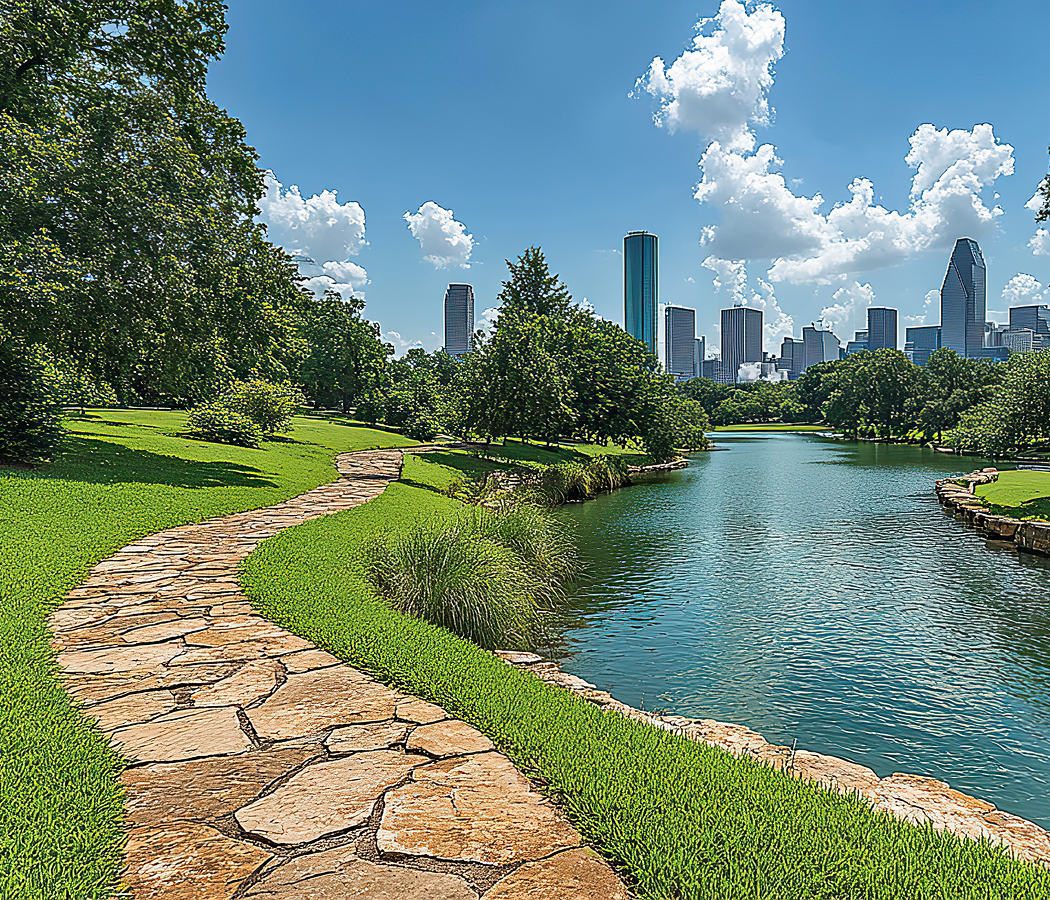
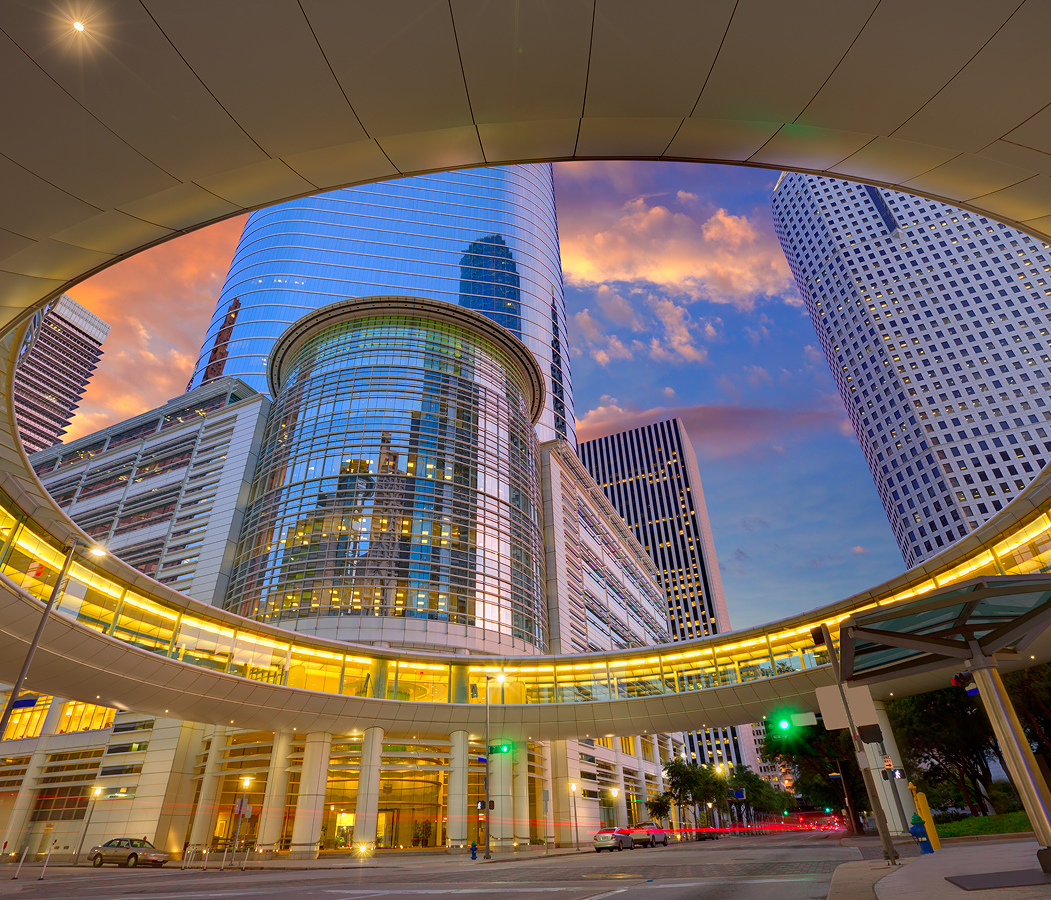
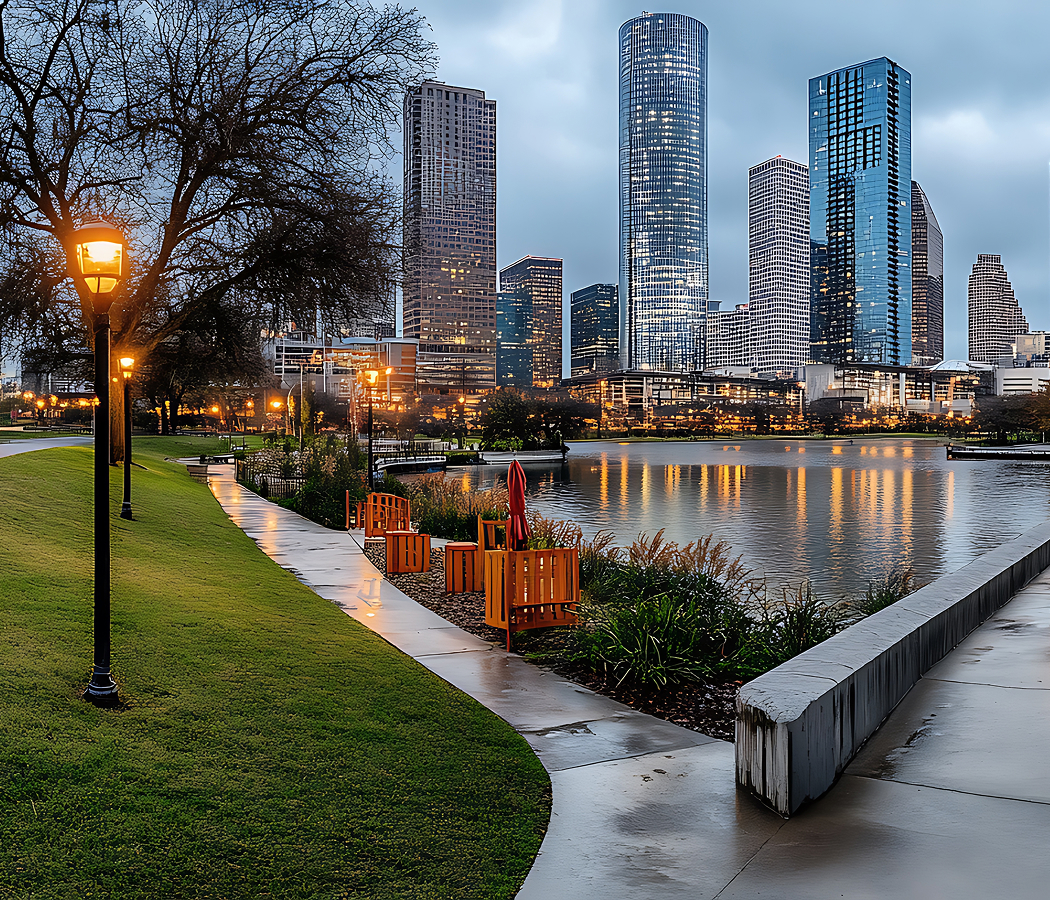
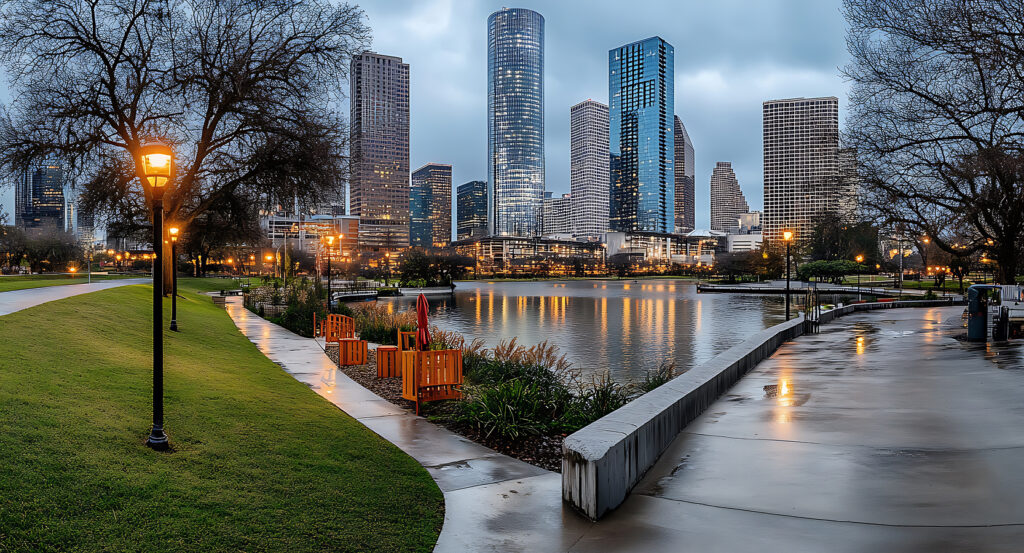
Running through Midtown between Downtown and Museum District, the corridor connects historic churches, educational institutions, residential districts, and cultural destinations that collectively reflect Houston's transformation from a nineteenth-century railroad city into a modern metropolitan center. Historic brick buildings, mature tree-lined streets, restored residences, and contemporary urban development create a streetscape where generations of civic, cultural, and architectural history remain closely intertwined. Sustained reinvestment has strengthened the corridor while preserving the historical structure that continues defining Midtown's distinctive character. The result is an experience defined by architectural richness, cultural continuity, and one of Midtown's most engaging corridors.
What defines Tuam Street.
Tuam Street is best known for traversing Midtown, a district whose growth accelerated after the arrival of the Houston and Texas Central Railway during the late nineteenth century, attracting residential expansion, commercial investment, religious institutions, and civic organizations immediately south of downtown. The corridor matured alongside the establishment of Houston Negro Hospital in 1926, today incorporated within Riverside General Hospital, representing one of the earliest major medical institutions created to serve Houston's African American community during segregation. Surrounding blocks preserve distinguished examples of Queen Anne, Classical Revival, Prairie School, Art Deco, and Mid-Century Modern architecture that document successive phases of Houston's urban development. The corridor also reflects Midtown's longstanding importance as a center for immigrant communities, religious congregations, neighborhood associations, and educational institutions that collectively shaped one of Houston's most culturally diverse districts. Collectively, the corridor's railroad heritage, institutional development, architectural diversity, neighborhood evolution, and cultural significance establish Tuam Street as one of Central Houston's defining historic corridors.
The Buffalo Bayou watershed influenced Houston's earliest urban expansion through alluvial soils, native riparian forests, and natural drainage systems that shaped nineteenth-century subdivision patterns across the city's original townsite. The Midtown Redevelopment Authority, established in 1995, continues supporting streetscape enhancements, historic preservation, public art, mobility improvements, and economic development that reinforce the district's architectural character and neighborhood vitality. Archaeological investigations throughout Central Houston have documented Indigenous occupation together with nineteenth-century settlement evidence that continues expanding scholarly understanding of long-term human activity across the Upper Texas Gulf Coast. Together, these environmental systems, civic organizations, and archaeological discoveries demonstrate how Tuam Street reflects a corridor where neighborhood history, environmental history, and cultural stewardship remain closely interconnected.
How Tuam Street fits.
Tuam Street works as an exploration of Midtown's artistic heritage, civic history, and architectural legacy.
Begin at Buffalo Soldiers National Museum, where preserved artifacts, archival collections, and compelling exhibitions introduce the military service and civic contributions of African American soldiers throughout United States history. Continue to Blaffer Art Museum, where contemporary exhibitions and university scholarship deepen the experience through one of Houston's leading academic art institutions. Conclude at The Heritage Society at Sam Houston Park, where preserved historic buildings and interpretive collections provide the historical payoff by illustrating Houston's architectural evolution from the nineteenth century through the early twentieth century. The progression moves naturally from national history to contemporary creativity before culminating in the city's foundational architectural story.
Where your story begins.
Foresyte Travel reveals places that feel extraordinary long before you arrive.
Enjoy editorial crafted for luxury travelers.
Foresyte may earn a commission when you book.