Why you should experience W Philadelphia in Philadelphia, Pennsylvania.
W Philadelphia is high-design provocation fused with urban confidence, a hotel that doesn't ask permission to stand out, and instead positions itself as a statement about where Philadelphia is now, not where it used to be.
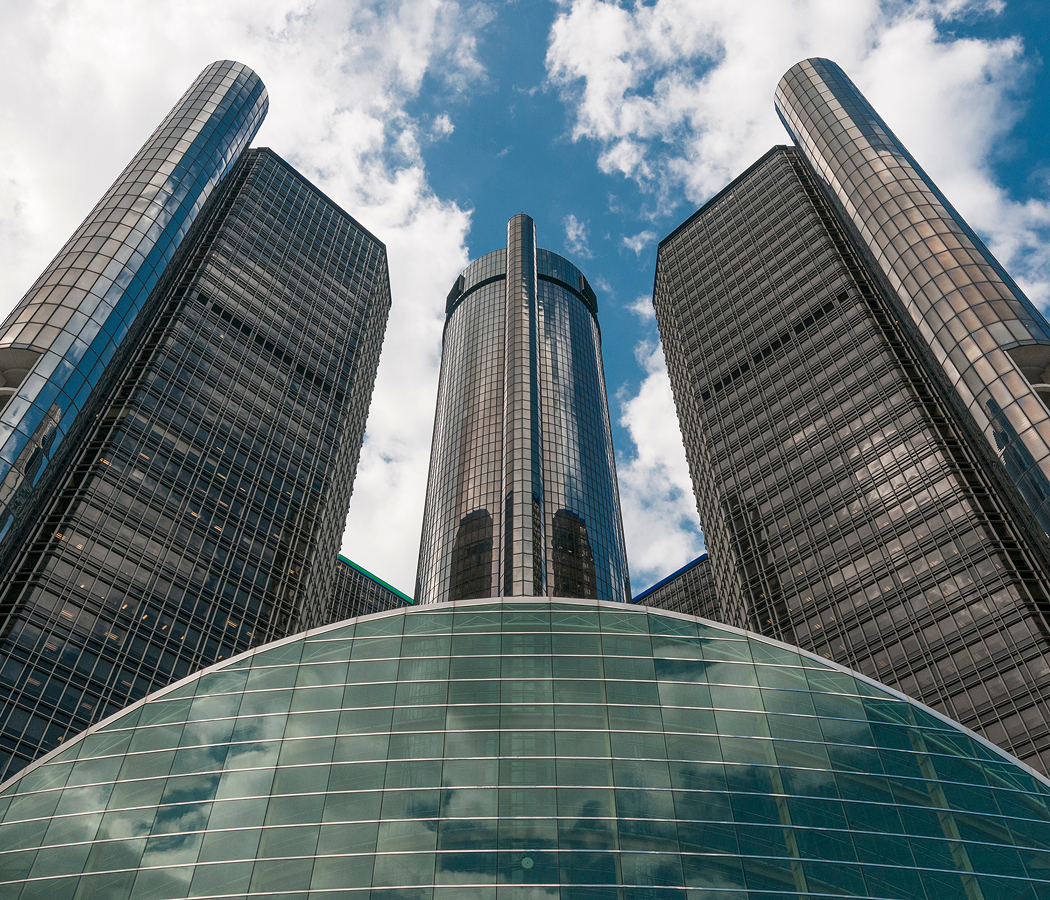
Set in the heart of Center City, the hotel occupies a sleek, contemporary tower that immediately distinguishes itself from the city's older architectural vocabulary. Arrival feels intentional and kinetic. This is not a building that blends into the grid; it asserts presence through glass, verticality, and movement. Stepping inside confirms the intent. The lobby is moody, dimensional, and unapologetically modern, built around contrast. Lighting is dramatic, surfaces are reflective and textured, and spatial transitions are designed to feel cinematic. There is an energy here that feels deliberate, a signal that this is a hotel designed for guests who want to feel plugged into the city's pulse. Public spaces function less like traditional hotel zones and more like social environments. Music, lighting, and layout work together to create a sense of flow that shifts throughout the day, moving from morning calm to evening intensity. This is a hotel that understands timing and mood, and it uses both as design tools. Guest rooms extend this philosophy into private space with a mix of polish and edge. Layouts are clean and efficient, prioritizing visual clarity and modern lines over traditional softness. Beds are plush and deeply comfortable, anchoring the room with a sense of physical ease that balances the design-forward aesthetic. Lighting is highly controllable, allowing you to dial the room up or down depending on your energy level. Floor-to-ceiling windows frame the city dramatically, rooftops, streets, skyline, reinforcing the feeling that you are inside Philadelphia's momentum rather than observing it from a distance. Bathrooms are sleek and contemporary, emphasizing glass, stone, and clean geometry, with fixtures designed to feel indulgent. Sound insulation is strong, creating a clear separation between the hotel's social energy and the privacy of the room. Service at W Philadelphia is confident, stylish, and socially fluent. Interactions feel contemporary and informal. The experience communicates ease through attitude. Staying here feels like choosing expression over restraint, energy over serenity, and a hotel that reflects Philadelphia's evolving character rather than its historical posture, making W Philadelphia particularly compelling for travelers who want their stay to feel current, dynamic, and unapologetically urban.
What you should know about W Philadelphia.
W Philadelphia represents a deliberate shift in how large-scale lifestyle hotels engage with historically layered cities, choosing discussion with the present.
Philadelphia is a city that often defaults to legacy narratives, colonial history, institutional gravity, and architectural preservation, and W Philadelphia intentionally breaks that pattern. The hotel's design language avoids nostalgia entirely. There are no colonial references, no softened heritage cues, and no attempt to visually echo the city's older structures. Instead, the hotel positions itself as a counterpoint, asserting that Philadelphia is not only a city of history, but a city of now. This choice is architectural, operational, and cultural. Interiors emphasize verticality, reflection, and movement, reinforcing a sense of forward momentum. Materials are selected for impact rather than familiarity, and spatial planning favors social interaction over quiet retreat. Renovations and updates focus on maintaining edge rather than smoothing it out, ensuring the hotel remains aligned with contemporary design and nightlife culture rather than drifting toward conventional luxury. This makes W Philadelphia especially attractive to a specific guest profile: creatives, entrepreneurs, fashion-forward travelers, nightlife-oriented guests, and those who value atmosphere as much as comfort. The hotel's social spaces play a critical role in this identity. Bars, lounges, and gathering areas are not secondary amenities; they are central to the experience. These spaces are designed to host energy, conversation, music, events. There is a deliberate layering of zones, allowing guests to engage socially or retreat slightly. Staff culture reflects this modern fluency. Service is delivered with confidence and cultural awareness. Interactions feel relaxed, conversational, and situational, guided by an understanding of social cues. This approach creates a sense of belonging for guests who are accustomed to creative environments and informal professionalism. In a hospitality landscape where many properties attempt to soften cities into palatable experiences, W Philadelphia stands apart by committing to provocation as relevance, proving that boldness, when executed with discipline, can feel just as luxurious as restraint.
How to fold W Philadelphia into your trip.
W Philadelphia works as a high-energy anchor, particularly for travelers who want their stay to feel like part of the city's social fabric.
Days here benefit from intentional pacing. Mornings are quieter, allowing you to enjoy the hotel's design and city views before the social energy builds. From this base, Center City's business districts, shopping corridors, and cultural venues are easily accessible, making it simple to move between work, exploration, and leisure. Midday returns to the hotel feel different than at more traditional properties. Instead of serving as a decompression chamber, the room functions as a reset zone, a place to recalibrate energy, change tempo, and prepare for the next phase of the day. Afternoons can unfold through meetings, galleries, retail exploration, or long urban walks, with the hotel acting as a visual and psychological reference point. Evenings are where W Philadelphia fully asserts itself. Dining, nightlife, and social spaces become extensions of the city. You can begin your night within the hotel, move outward into Philadelphia's dining and entertainment scene, and return without feeling like you've stepped out of the moment. The hotel's sound control and room comfort ensure that when you are ready to rest, rest is absolute. Over multiple nights, the experience becomes rhythm-based. You start to understand when to engage and when to retreat, using the hotel as a tool. Extended stays reveal another dimension: how the hotel subtly encourages confidence. The environment supports expression, individuality, and social ease, making it especially effective for travelers attending events, networking, or creative work. By the time you depart, W Philadelphia will not feel like a hotel you simply stayed in, but like a platform that amplified your experience of the city, offering energy, style, and modern relevance in a place often defined by tradition. In Philadelphia, a city negotiating its future as actively as it preserves its past, W Philadelphia provides a stay that feels forward-facing, alive, and unmistakably of the moment.
Where your story begins.
Foresyte Travel reveals places that feel extraordinary long before you arrive.
Experience premium editorial crafted for luxury travelers.