Why William Barton Drive matters.
William Barton Drive is a graceful corridor where Zilker's outdoor culture, environmental heritage, recreational traditions, and unmistakable Austin character create one of the city's most memorable park drives.
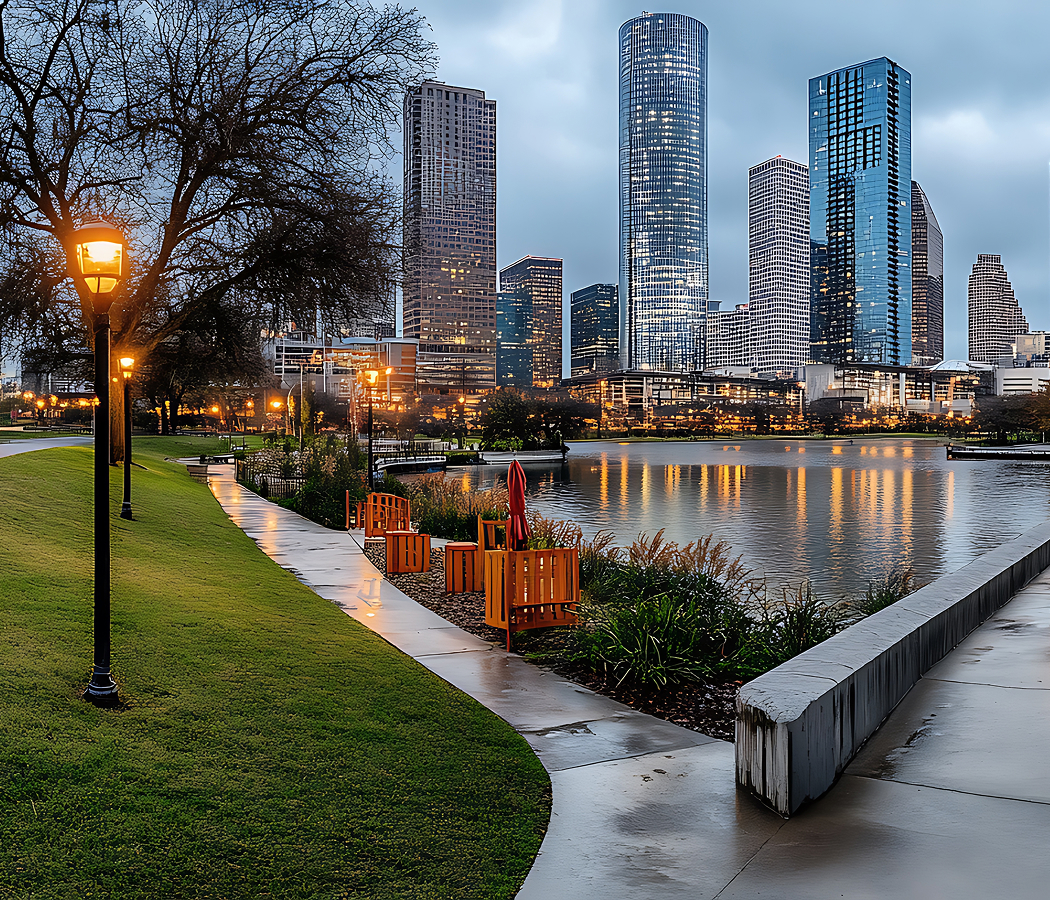
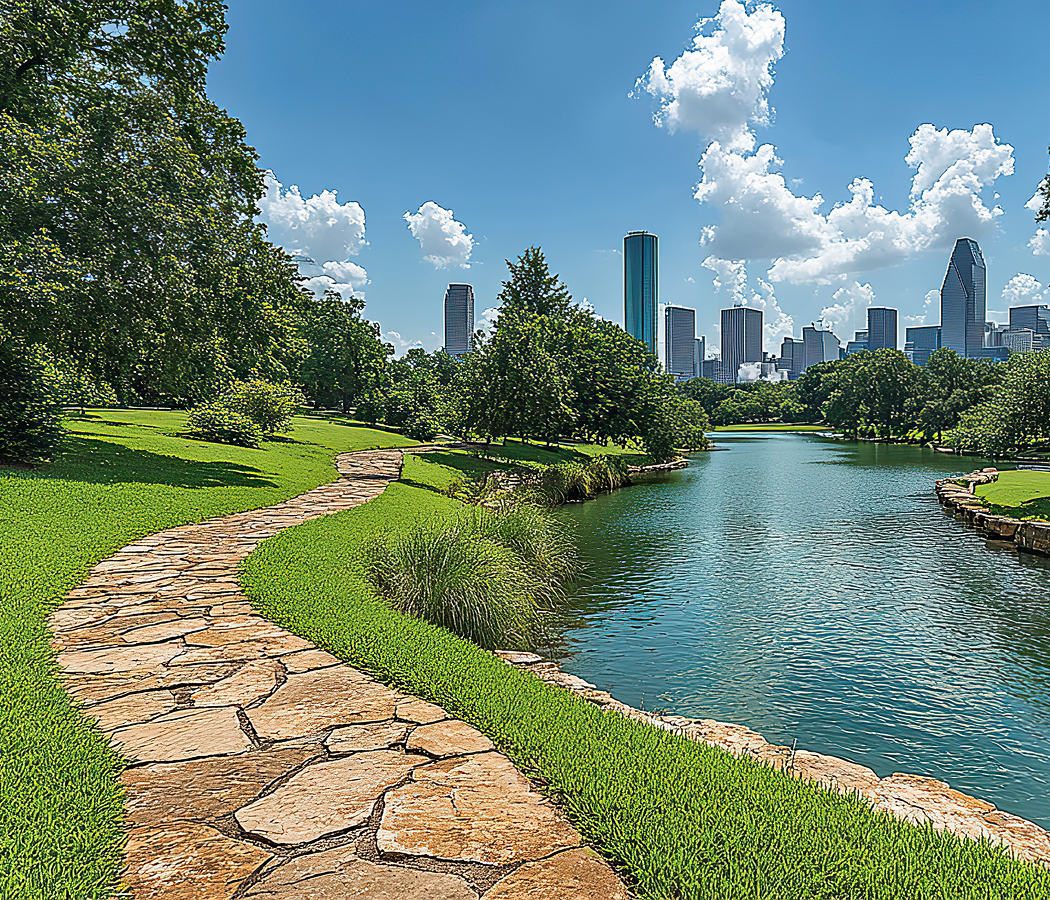
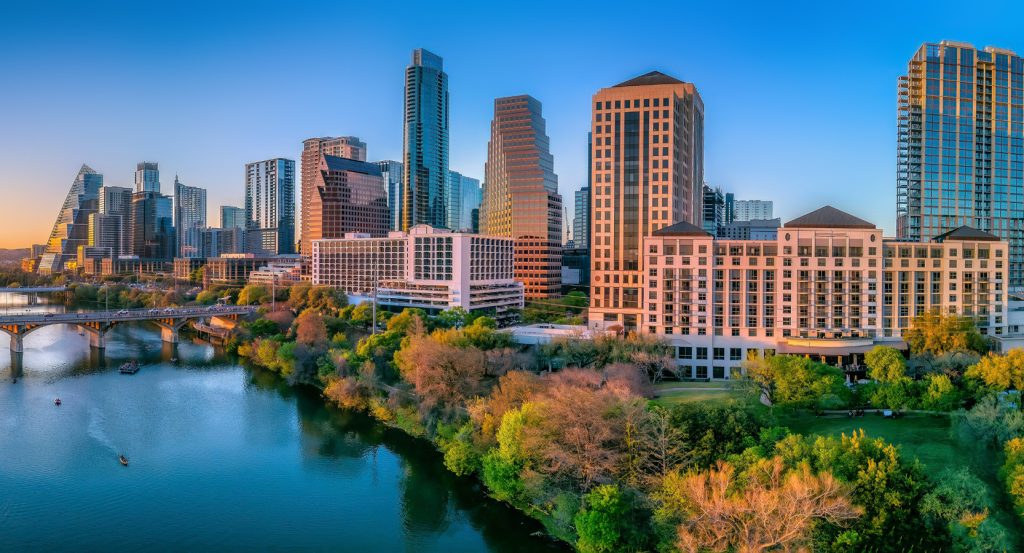
Running through Zilker between Barton Springs Road and Stratford Drive, the roadway connects celebrated parkland, cultural institutions, recreational facilities, and the Colorado River corridor that define Austin's outdoor lifestyle. Each successive stretch reveals towering pecan trees, expansive lawns, limestone landscapes, cycling routes, and sweeping views across Zilker Metropolitan Park that reinforce the drive's distinctive identity. The defining moment arrives as William Barton Drive demonstrates how recreation, environmental stewardship, and civic investment continue shaping one of Austin's defining corridors. The result is an experience defined by natural beauty, cultural energy, and one of Zilker's most rewarding streets.
What defines William Barton Drive.
William Barton Drive is best known for traversing Zilker Metropolitan Park, Austin's flagship urban park, where more than 350 acres of public green space have evolved into the city's premier destination for recreation, festivals, environmental education, and outdoor gatherings. Development throughout the twentieth century introduced recreational facilities, trail connections, visitor amenities, limestone retaining walls, pedestrian infrastructure, native landscaping, and park improvements that continue defining the corridor's physical character. The roadway provides direct access to the Ann and Roy Butler Hike-and-Bike Trail, the Colorado River, athletic fields, botanical collections, and nationally recognized event grounds while preserving uninterrupted connections between Austin's central park system and surrounding neighborhoods. Live oak, bald cypress, pecan, cedar elm, Mexican sycamore, inland sea oats, and native prairie grasses reinforce the corridor's relationship with the Edwards Plateau and Colorado River ecosystem while shaping its distinctive landscape. Continued investment has strengthened accessibility, restored ecological features, modernized recreational amenities, and preserved William Barton Drive as one of Austin's defining park corridors. Collectively, the corridor's environmental setting, recreational prominence, landscape architecture, and sustained stewardship established William Barton Drive as one of Central Austin's most significant thoroughfares.
Adjacent to the corridor, Austin Nature and Science Center, established in 1960, has introduced generations of visitors to Central Texas ecology through wildlife rehabilitation, interactive exhibits, and environmental education programs. Nearby, the Umlauf Sculpture Garden & Museum, which opened in 1991, preserves the artwork of Charles Umlauf while integrating permanent sculpture collections into carefully designed native gardens that complement the surrounding landscape. The nearby Zilker Botanical Garden, established in 1955, encompasses themed gardens including the Isamu Taniguchi Japanese Garden, Hartman Prehistoric Garden, and Rose Garden, reflecting decades of horticultural stewardship within Zilker. Together, these educational institutions, cultural collections, and botanical landscapes demonstrate how William Barton Drive extends well beyond recreation into one of Austin's richest concentrations of environmental and artistic resources.
How William Barton Drive fits.
William Barton Drive works as an exploration of Austin's outdoor culture, artistic heritage, and environmental landscapes.
Begin at Barton Springs Pool, where spring-fed waters, limestone surroundings, and generations of local tradition establish the natural character surrounding William Barton Drive while introducing Austin's most celebrated outdoor gathering place. Continue to Zilker Botanical Garden, where themed collections, shaded pathways, and internationally inspired garden design deepen the experience before guiding the journey toward its historical conclusion. Conclude at Umlauf Sculpture Garden & Museum, where Charles Umlauf's sculptures and thoughtfully integrated landscapes provide the historical payoff by illustrating Austin's longstanding commitment to public art and cultural preservation. The progression moves naturally from Austin's defining natural landmark to cultivated landscapes before culminating in one of the city's most significant artistic institutions.
Where your story begins.
Foresyte Travel reveals places that feel extraordinary long before you arrive.
Enjoy editorial crafted for luxury travelers.
Foresyte may earn a commission when you book.